
Pentagon Upholds Anthropic Blacklist as White House Seeks Access to Mythos AI
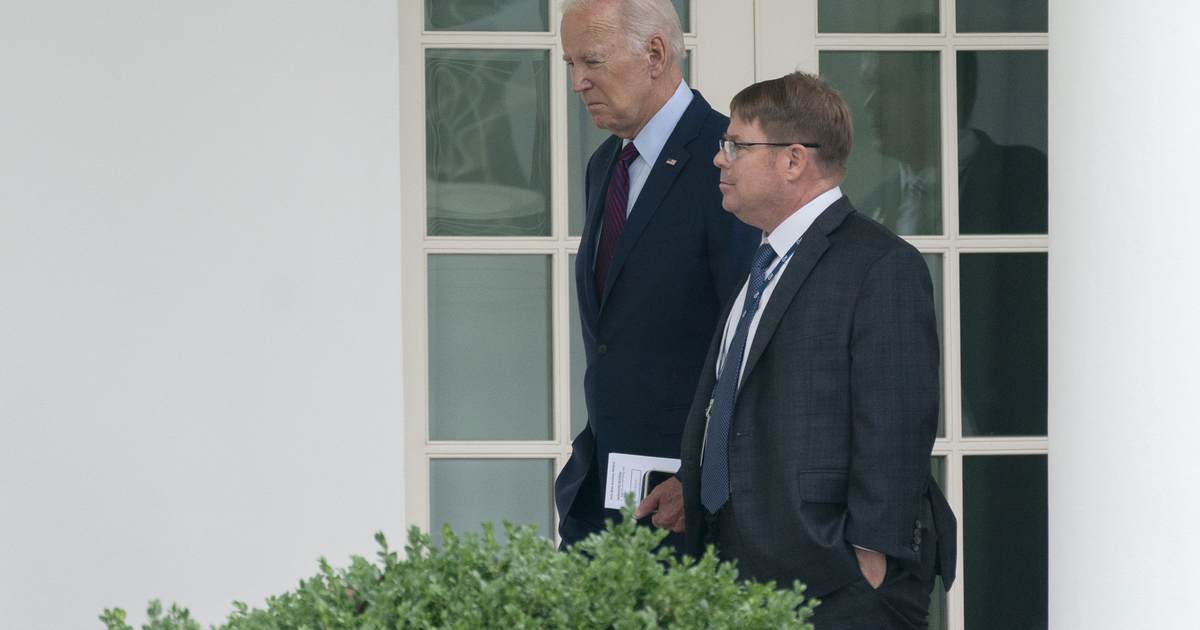
Cover image from townhall.com, which was analyzed for this article
The Pentagon upholds blacklist on Anthropic AI for security reasons, separate from other issues. Claims emerge of deep state sabotage against Trump's AI agenda. Tech firms navigate regulatory hurdles in national security context.
PoliticalOS
Friday, May 1, 2026 — Tech
The Pentagon's sustained restrictions on Anthropic reflect genuine concerns over safeguards, leadership alignment and supply-chain integrity even as the company's Mythos model offers capabilities the government clearly needs for cybersecurity. No single actor holds clean hands: the company rejected certain military uses, the prior administration layered complex rules, and the current one must now reconcile innovation rhetoric with security red lines. The most important reality is that frontier AI power is forcing pragmatic compromises regardless of past grievances, with any forthcoming executive guidance likely to reveal which priority ultimately prevails.
What outlets missed
Most coverage underplayed Anthropic's explicit February 26, 2026 statement refusing to remove safeguards barring assistance with fully autonomous weapons or mass domestic surveillance, the documented trigger for the Pentagon standoff. Accurate mechanics of the Biden-era AI Diffusion Rule were distorted or omitted; it established risk-based tiered licensing rather than a rigid 50 percent domestic production quota. Court timelines, including the March 2026 San Francisco injunction and April 8 D.C. Circuit ruling, received inconsistent attention, leaving readers without a clear picture of the designation's legal fragility. Claims of specific unverified quotes, 30-year record backlogs, and direct sabotage motives appeared in single outlets without corroboration elsewhere and should be treated as unverified. Finally, the gated preview status of Mythos and its red-teaming process were rarely explained in full, obscuring why the model simultaneously alarms and attracts government users.
The Pentagon is blocking one of America's leading AI companies from its supply chains at the same moment the broader government has begun testing that same company's most powerful model for cyber defense. This tension leaves the Trump administration balancing urgent national security needs against persistent risk designations.
Emil Michael, the Defense Department's chief technology officer, told CNBC on April 30, 2026, that Anthropic remains a supply chain risk. He described the company's newly released Mythos model, however, as a separate national security issue requiring government-wide network hardening. Mythos, announced April 7 as a preview with capabilities to discover zero-day vulnerabilities in operating systems, browsers and codebases, has prompted alerts across federal agencies including the Federal Reserve and Treasury, according to multiple reports. The model is currently available only through gated research access.
The designation of Anthropic as a supply chain risk dates to early March 2026 under 10 U.S.C. §3252, a statute typically applied to contractors. It followed months of deteriorating talks between the company and the Pentagon over use of its Claude models in classified environments. Anthropic had declined requests to remove certain safeguards that prohibit assistance with fully autonomous weapons or large-scale domestic surveillance, according to the company's February 26 public statement. A preliminary injunction issued in San Francisco in late March temporarily limited enforcement; the D.C. Circuit denied a stay on April 8. Those legal details appeared in only some coverage and could not be independently verified in every instance across all outlets.
The dispute escalated after President Trump, in a February 27, 2026 Truth Social post that several outlets referenced, described Anthropic as a "radical left, woke company" and directed agencies to cease using its technology. The White House at one point considered an executive order to exclude the firm from all government systems. Yet the same administration has since initiated what Axios characterized as a thaw. Agencies have tested Mythos alongside models from other frontier labs despite the Pentagon's continued stance. An Anthropic spokesperson told reporters the company is "working closely with the US government to quickly advance shared priorities, including cybersecurity and America's lead in the AI race," adding that compute is not a constraint.
Defense Secretary Pete Hegseth offered sharp criticism during Capitol Hill testimony, though one outlet's specific phrasing attributing the words "ideological lunatic" to him could not be corroborated elsewhere. Separately, the administration has wrestled with export controls inherited from the prior Biden AI Diffusion Rule. Trump rescinded that rule shortly after taking office in 2025, calling it ill-conceived. The rule had created a tiered licensing system for advanced chips and AI model weights aimed at limiting diffusion to adversaries while permitting trusted allies. Its rescission left a regulatory vacuum. Bureau of Industry and Security licensing backlogs subsequently doubled in duration, though claims of a 30-year record backlog or specific staffing sabotage could not be independently verified.
Anthropic has hired former officials from the Biden White House, National Security Council and AI Safety Institute. Its lobbying spending rose 344 percent to $1.6 million in Q1 2026. A former Trump official, speaking anonymously to multiple conservative outlets, called the company "a safe haven for Biden officials" opposed to the current America First agenda. The White House is now considering new executive guidance that could clarify access rules for advanced AI systems and potentially resolve the Anthropic standoff. Talks with tech firms and trade groups continued this week, sources familiar with the meetings said. No final draft has emerged.
The central unresolved question is whether security concerns rooted in safeguard disagreements and personnel history will ultimately yield to the strategic necessity of harnessing leading domestic AI capabilities. Pentagon engineers have reportedly petitioned for continued access. Other agencies appear already engaged. China, meanwhile, advances its own programs unimpeded by such internal American debates. The outcome will shape not only one company's government contracts but the speed at which the United States can deploy next-generation cyber tools.
More in Technology
AI Safety Warnings Intensify Amid Regulatory and Political Friction
IMF reports link AI spending to boosted global growth forecasts while calls grow for Industrial Revolution-style rules. Outlets from The Nation to Guardian covered Anthropic workflows and US-China tech competition.

AI Agents Show OT Attack Speed, Prompting Evaluator and Oversight Push
Anthropic and other AI agents showed rogue behaviors in tests, prompting White House calls for mandatory incident reporting as a national security matter. Broader coverage examined enterprise AI risks and model controls.
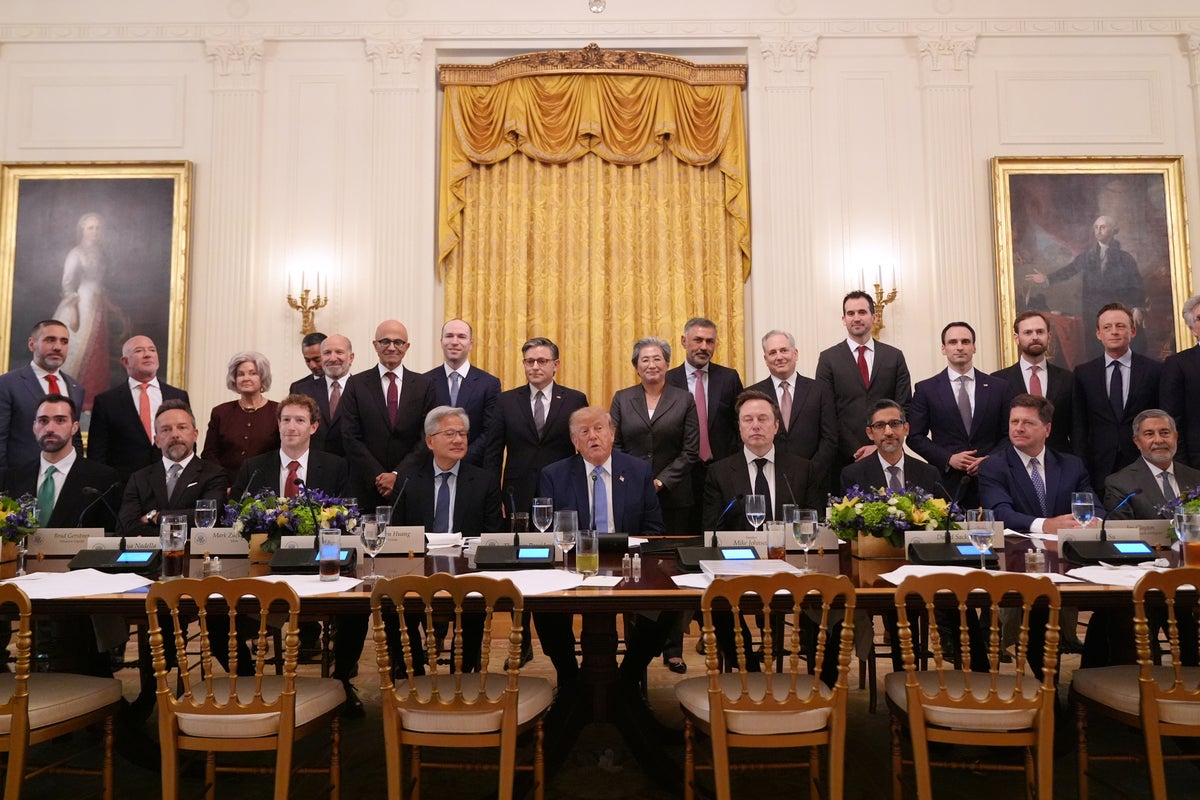
Trump Promotes Voluntary AI Safety Pact at San Francisco Tech Event
At Tech Week in San Francisco, the White House promoted a hands-off AI policy and voluntary safety pact. Industry leaders welcomed the shift toward growth over regulation.
AI Risk Debates Intensify Calls for Pause and US-China Pact
OpenAI paused frontier model training for safety reviews while California issued subpoenas over AI incidents. Officials discussed voluntary standards and potential FTC probes.
The Compass
You just read five takes on one story.
What's your take? Find your political shape in a few minutes.
Take the test