
AOC Shares Egg Freezing, Leaves 2028 Run Open
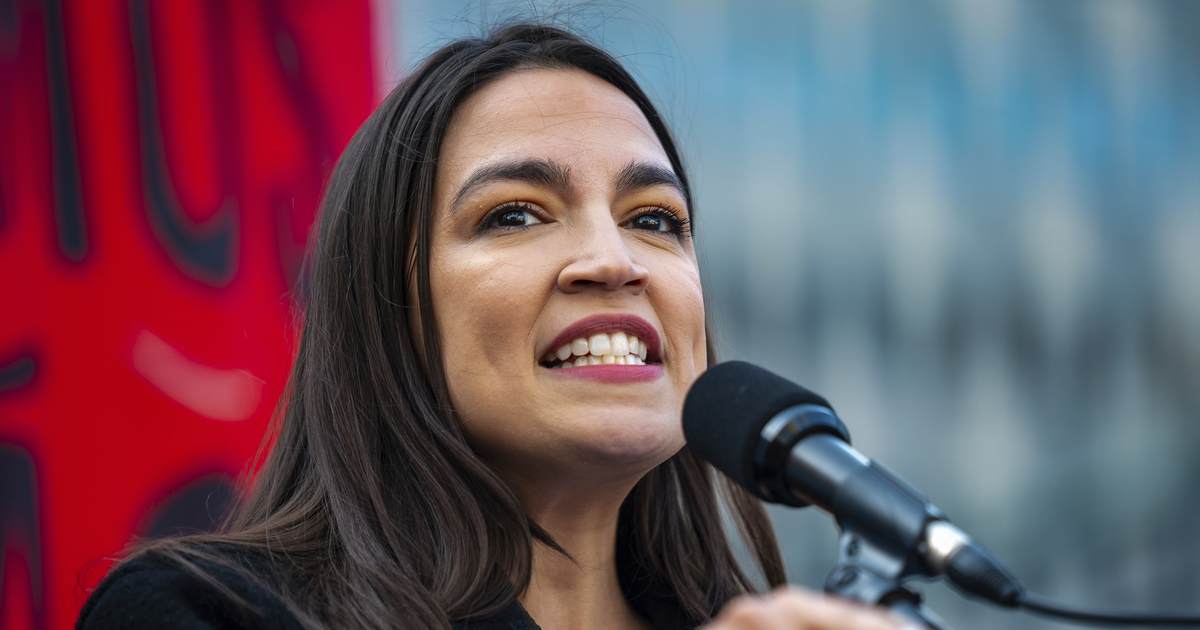
Cover image from redstate.com, which was analyzed for this article
Alexandria Ocasio-Cortez says she has not ruled out a 2028 bid and discusses personal decisions like freezing eggs.
PoliticalOS
Monday, August 10, 2026 — Politics
Ocasio-Cortez has publicly tied a fertility decision to arguments about reproductive policy while declining to close the door on a 2028 presidential bid. The primary record consists of her social-media videos and ABC interview; interpretations of motive remain unverified beyond those statements.
What outlets missed
Neither outlet examined the medical data on egg-freezing success rates at age 36 or placed the announcement against the record of other female members of Congress who have had children while in office. The BBC omitted any mention of Ocasio-Cortez’s past climate statements that conservative commentary used to question the timing. RedState did not include her direct ABC quote limiting focus to the midterms or her reference to political risk in sharing the process.
Alexandria Ocasio-Cortez Shares Egg Freezing Process and Leaves Door Open to Higher Office
US Representative Alexandria Ocasio-Cortez has posted videos of herself beginning the process of freezing her eggs, describing the steps involved in hormone injections and the associated medical decisions. The 36-year-old New York Democrat shared the clips on social media before appearing on ABC's This Week, where she said she had not ruled out a possible presidential run in the future. She framed the disclosure as an effort to normalize discussions around fertility treatment, particularly under what she called the country's broken medical system.
In the videos, Ocasio-Cortez demonstrated taking an injection and offered practical details on costs, storage of eggs, and clinical procedures. She noted that she had weighed the option for some time and saved money toward it. During the television interview, she linked the topic to broader debates over reproductive care, including abortion access and pregnancy outcomes, and suggested that political leaders should address such matters openly. She acknowledged a political risk in going public but said the current environment made the conversation necessary.
Ocasio-Cortez also addressed differences in how men and women approach political careers, observing that men do not face the same biological timing pressures. She indicated that her focus remains on the November midterm elections rather than personal ambitions. The comments came as speculation continues about her potential interest in national office, though she has not committed to any specific plan beyond her current House seat.
Fertility preservation through egg freezing typically involves multiple hormone treatments and medical monitoring, with success rates varying by age and individual health factors. Data from medical sources show that the procedure often carries significant out-of-pocket expenses even for those with insurance, reflecting broader patterns in how specialized care is priced and delivered. Ocasio-Cortez has previously criticized market-driven elements of American health care, yet the high costs she encountered align with longstanding patterns where regulatory barriers and third-party payment systems limit competition and transparency.
Critics have noted that her decision to document the injections publicly contrasts with her earlier statements about keeping private matters private. The timing overlaps with renewed discussion of her political trajectory, including the possibility of a 2028 presidential bid. Supporters view the openness as consistent with her style of engaging voters directly on personal topics. Detractors see it as another instance of blending private choices with political messaging.
Economic analyses of health care markets, including those advanced by scholars such as Thomas Sowell, emphasize that shortages and high prices often stem from government restrictions on supply and distorted incentives rather than insufficient spending. Ocasio-Cortez's references to systemic failures echo arguments for expanded public programs, yet evidence from states with varying regulatory approaches shows that greater provider competition and clearer pricing tend to moderate costs without additional mandates. Fertility services remain elective for most patients, and decisions about family timing continue to reflect individual trade-offs between career demands and biological realities.
Ocasio-Cortez has built a profile around expansive government roles in areas from housing to energy policy. Her comments on reproductive care fit that pattern while highlighting personal circumstances that affect many women in professional fields. Whether the disclosure advances public understanding or primarily serves visibility remains a matter of interpretation among observers.
You just read Conservative's take. Want to read what actually happened?
More in Politics

Democrats Flip Senate, Expand House Majority in Midterms
Democrats flipped the Senate and expanded their House majority in a major rebuke to President Trump and Republicans. Key victories included multiple Senate seats and state-level wins that ended long-standing GOP dominance in places like Texas.

GOP Losses Spur Blame, Vance Distancing, 2028 Maneuvers
Republicans are pointing fingers internally after heavy losses, with Vice President JD Vance distancing himself from Trump over the Iran war and positioning for a potential 2028 run. Challengers within the party are already sensing opportunity.

Democrats Take House and Senate Amid Record Midterm Turnout
Democrats achieved decisive gains in the 2026 midterms, flipping seats to take control of both chambers. Coverage highlights historic turnout and implications for the Trump administration.
Democrats Take House and Senate, Constraining Trump
Democrats flipped both the House and Senate in a major rebuke to President Trump and Republicans. The results create divided government and set up battles over spending, oversight, and foreign policy for the remainder of Trump's term.
The Compass
You just read five takes on one story.
What's your take? Find your political shape in a few minutes.
Take the test