
AOC Shares Egg Freezing, Leaves 2028 Run Open
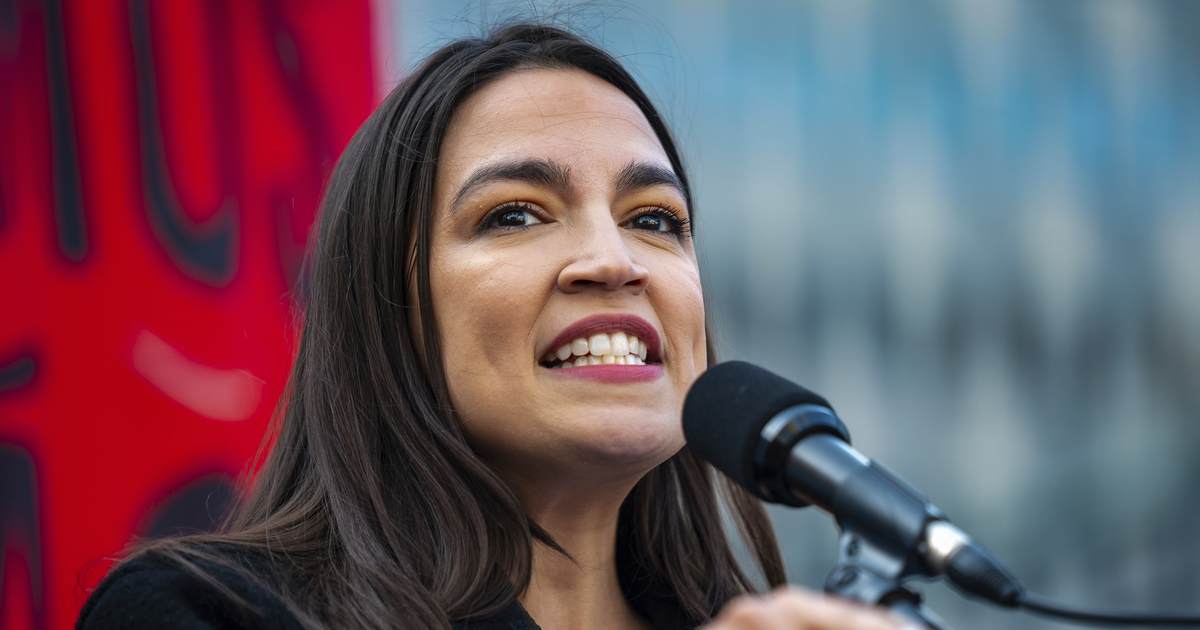
Cover image from redstate.com, which was analyzed for this article
Alexandria Ocasio-Cortez says she has not ruled out a 2028 bid and discusses personal decisions like freezing eggs.
PoliticalOS
Monday, August 10, 2026 — Politics
Ocasio-Cortez has publicly tied a fertility decision to arguments about reproductive policy while declining to close the door on a 2028 presidential bid. The primary record consists of her social-media videos and ABC interview; interpretations of motive remain unverified beyond those statements.
What outlets missed
Neither outlet examined the medical data on egg-freezing success rates at age 36 or placed the announcement against the record of other female members of Congress who have had children while in office. The BBC omitted any mention of Ocasio-Cortez’s past climate statements that conservative commentary used to question the timing. RedState did not include her direct ABC quote limiting focus to the midterms or her reference to political risk in sharing the process.
Alexandria Ocasio-Cortez Shares Egg Freezing Experience to Highlight Gaps in Reproductive Care
Alexandria Ocasio-Cortez has posted videos of herself beginning the egg freezing process, describing the steps involved and the challenges of navigating fertility treatment under the current American health care system. The New York congresswoman, who is 36, shared the clips on social media before appearing on ABC's This Week, where she said she had not ruled out a presidential bid but remained focused on the midterm elections.
In the posts, Ocasio-Cortez documented an injection and offered practical details about costs, storage, and clinical procedures. She framed the decision as one she had weighed for years while saving for the expense. During the television interview, she linked the choice to a wider political setting in which access to reproductive services, including abortion and support for healthy pregnancies, faces restrictions in multiple states. She argued that public figures discussing these matters can reduce the sense of isolation many people feel when confronting similar decisions.
Ocasio-Cortez noted that men in politics rarely confront equivalent biological timelines. The observation points to structural differences in how career demands intersect with fertility for women, a factor that shapes when and whether individuals in public life pursue family formation. Fertility preservation through egg freezing has grown more common, yet insurance coverage remains uneven and out-of-pocket costs can reach several thousand dollars per cycle, excluding medications and long-term storage.
The timing of her disclosure coincides with ongoing state-level limits on reproductive services following the 2022 Supreme Court decision that returned regulatory authority to the states. Several Republican-led legislatures have enacted measures that affect both abortion access and certain aspects of assisted reproduction, creating a patchwork of rules that complicate planning for patients and providers alike. Ocasio-Cortez has previously advocated for expanded federal protections and improved insurance mandates in this area.
Her remarks also touched on the personal calculations involved. She described saving for the procedure over an extended period and acknowledged the political risk of discussing such matters openly. Public figures who share medical decisions often face polarized reactions, yet the underlying data show that delayed childbearing correlates with higher rates of fertility treatment use across income levels. For elected officials, the issue intersects with questions of work-life balance, campaign schedules, and the absence of uniform parental leave policies at the federal level.
Ocasio-Cortez has maintained a relatively low profile on the Sunday political interview circuit. Her comments on a possible White House run were measured, emphasizing collective priorities around the November midterms rather than individual ambitions. Analysts have long noted that women candidates frequently encounter scrutiny over family planning that male counterparts do not, a pattern documented in both academic studies and campaign reporting.
The broader context includes rising interest in fertility preservation among professionals in their mid-30s, driven by career trajectories and economic uncertainty. Medical guidelines from organizations such as the American Society for Reproductive Medicine treat egg freezing as an established option for those who wish to extend their reproductive window, though success rates vary with age and individual health factors. Ocasio-Cortez's account of self-administering injections and managing the logistics aligns with standard protocols described by fertility clinics nationwide.
By placing the process in the context of a "broken" medical system, she highlighted disparities in access that affect not only public officials but also working families who lack comprehensive coverage. Proposals to address these gaps range from requiring insurers to treat fertility services as essential benefits to expanding public programs that subsidize care. Whether such measures advance will depend on the composition of Congress after the midterms and the priorities of state governments.
Ocasio-Cortez's decision to document the initial steps publicly reflects a calculation that visibility can shift norms around topics once considered private. The approach carries both potential upsides in reducing stigma and risks of personal exposure in a polarized environment. As reproductive policy continues to evolve through legislation and litigation, individual stories like hers illustrate the concrete effects of those changes on timing, cost, and opportunity.
You just read Liberal's take. Want to read what actually happened?
More in Politics
Democrats Flip Senate, Expand House Majority in Midterms
Democrats flipped the Senate and expanded their House majority in a major rebuke to President Trump and Republicans. Key victories included multiple Senate seats and state-level wins that ended long-standing GOP dominance in places like Texas.
GOP Losses Spur Blame, Vance Distancing, 2028 Maneuvers
Republicans are pointing fingers internally after heavy losses, with Vice President JD Vance distancing himself from Trump over the Iran war and positioning for a potential 2028 run. Challengers within the party are already sensing opportunity.
Democrats Take House and Senate Amid Record Midterm Turnout
Democrats achieved decisive gains in the 2026 midterms, flipping seats to take control of both chambers. Coverage highlights historic turnout and implications for the Trump administration.
Democrats Take House and Senate, Constraining Trump
Democrats flipped both the House and Senate in a major rebuke to President Trump and Republicans. The results create divided government and set up battles over spending, oversight, and foreign policy for the remainder of Trump's term.
The Compass
You just read five takes on one story.
What's your take? Find your political shape in a few minutes.
Take the test