
AOC Shares Egg Freezing, Leaves 2028 Run Open
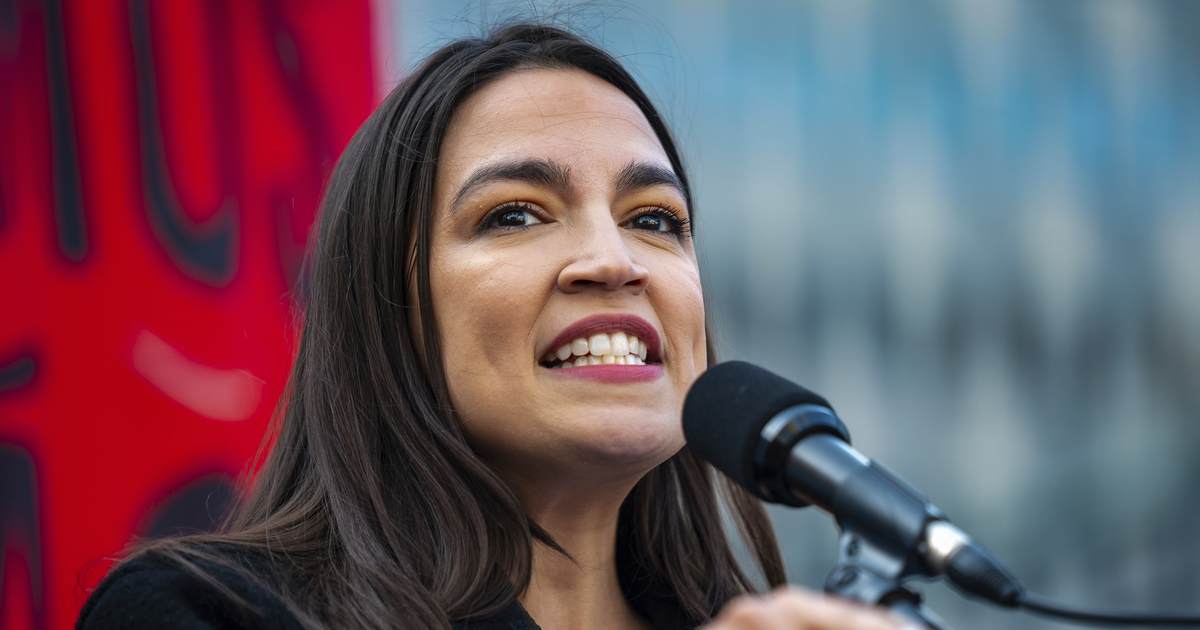
Cover image from redstate.com, which was analyzed for this article
Alexandria Ocasio-Cortez says she has not ruled out a 2028 bid and discusses personal decisions like freezing eggs.
PoliticalOS
Monday, August 10, 2026 — Politics
Ocasio-Cortez has publicly tied a fertility decision to arguments about reproductive policy while declining to close the door on a 2028 presidential bid. The primary record consists of her social-media videos and ABC interview; interpretations of motive remain unverified beyond those statements.
What outlets missed
Neither outlet examined the medical data on egg-freezing success rates at age 36 or placed the announcement against the record of other female members of Congress who have had children while in office. The BBC omitted any mention of Ocasio-Cortez’s past climate statements that conservative commentary used to question the timing. RedState did not include her direct ABC quote limiting focus to the midterms or her reference to political risk in sharing the process.
Alexandria Ocasio-Cortez Shares Egg Freezing Process to Highlight Barriers in Reproductive Care
Alexandria Ocasio-Cortez has publicly detailed her decision to freeze her eggs, posting videos of the initial medical steps on social media and discussing the experience in a television interview. The 36-year-old New York congresswoman described the process as one she weighed for years before committing, citing both personal timing and a desire to reduce stigma around fertility treatments for women in public life.
In clips shared Sunday, Ocasio-Cortez showed herself administering an injection and offered practical notes on costs, clinic visits, storage options, and the demands of the procedure. She urged viewers not to treat the disclosure as unusual, framing it as routine health information that remains underdiscussed. Hours later, during an appearance on ABC's This Week, she linked the decision to broader policy fights, saying the current administration has restricted reproductive options nationwide, from abortion access to support for healthy pregnancies. She called it essential for elected officials to address these realities openly.
Ocasio-Cortez noted that men in politics rarely face equivalent biological timelines or medical planning, an imbalance she said adds pressure when women consider higher office. She acknowledged the political risks of such transparency yet chose to proceed, pointing to limited public resources on the topic and the expense involved. The process, she said, occurs within a medical system she described as broken for many patients seeking fertility care.
During the same interview, Ocasio-Cortez addressed speculation about a presidential bid. She said she has not ruled out running in 2028 and expressed appreciation for the encouragement she has received, while stressing that immediate priorities remain the November midterm elections. Congressional races, she argued, require focus before individual ambitions take center stage.
The disclosure arrives as state and federal policies continue to reshape access to reproductive services. Ocasio-Cortez has long advocated for expanded coverage of fertility treatments and protections for abortion rights, positions that place her at odds with Republican-led efforts to limit such care. By documenting her own steps, she joins other public figures who have sought to demystify procedures once kept private, though she noted the decision carried personal calculation given her profile.
Supporters viewed the posts as consistent with her approach of using personal experience to illustrate policy gaps. Critics, including conservative outlets, portrayed the videos as attention-seeking or inconsistent with earlier climate warnings she has issued. Ocasio-Cortez has maintained that individual choices about family planning coexist with collective action on larger issues.
The congresswoman rarely appears on Sunday political programs, making the ABC interview notable for both its timing and content. She has previously kept family matters largely out of the spotlight, a pattern she said she adjusted here to address what she sees as systemic shortcomings in how fertility care is funded and explained. As midterms approach, the episode underscores ongoing debates over which reproductive decisions receive public support and which remain subject to political contention.
You just read Progressive's take. Want to read what actually happened?
More in Politics

Democrats Flip Senate, Expand House Majority in Midterms
Democrats flipped the Senate and expanded their House majority in a major rebuke to President Trump and Republicans. Key victories included multiple Senate seats and state-level wins that ended long-standing GOP dominance in places like Texas.

GOP Losses Spur Blame, Vance Distancing, 2028 Maneuvers
Republicans are pointing fingers internally after heavy losses, with Vice President JD Vance distancing himself from Trump over the Iran war and positioning for a potential 2028 run. Challengers within the party are already sensing opportunity.

Democrats Take House and Senate Amid Record Midterm Turnout
Democrats achieved decisive gains in the 2026 midterms, flipping seats to take control of both chambers. Coverage highlights historic turnout and implications for the Trump administration.
Democrats Take House and Senate, Constraining Trump
Democrats flipped both the House and Senate in a major rebuke to President Trump and Republicans. The results create divided government and set up battles over spending, oversight, and foreign policy for the remainder of Trump's term.
The Compass
You just read five takes on one story.
What's your take? Find your political shape in a few minutes.
Take the test