
Liberals and Conservatives Unite to Block AI Data Centers
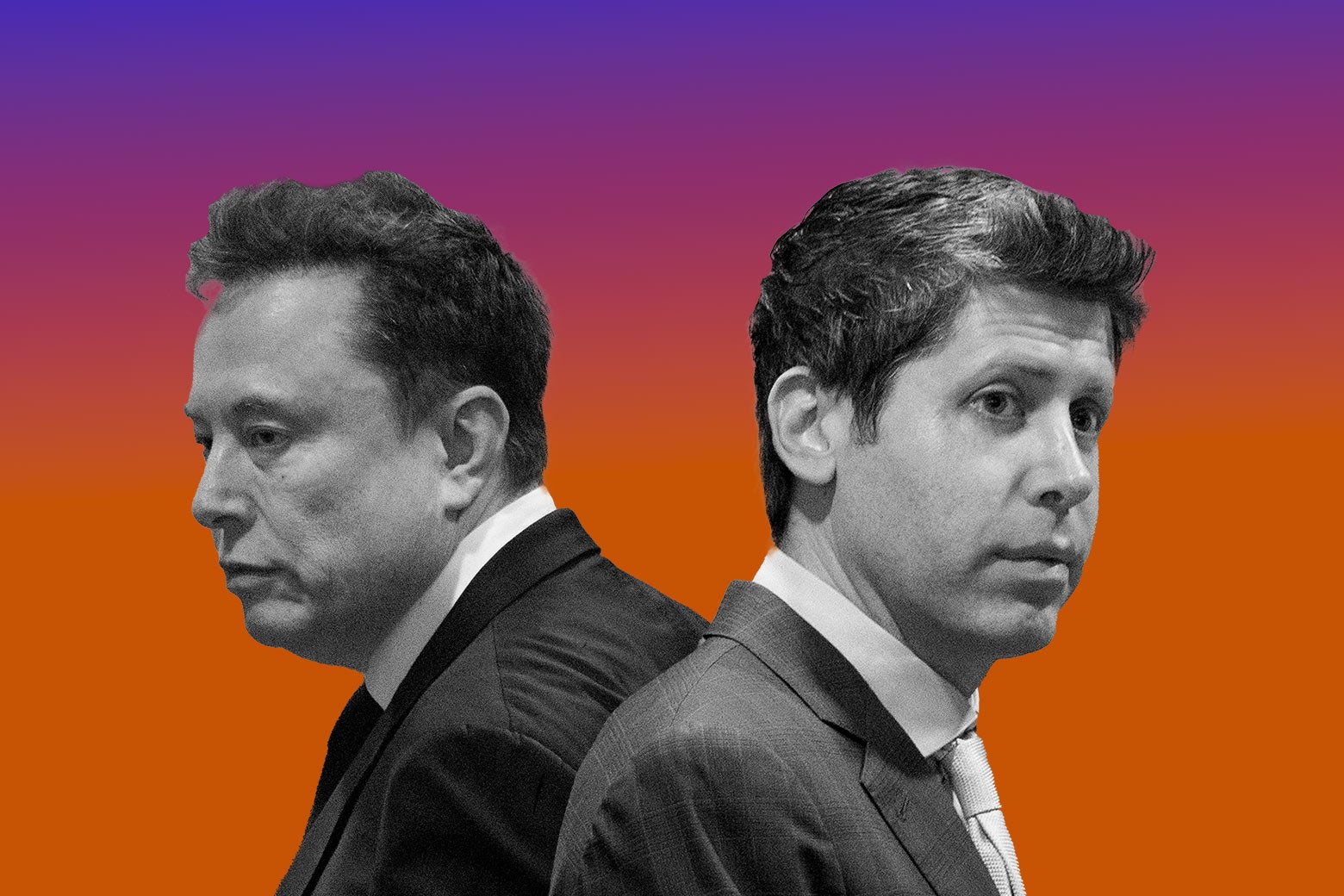
Cover image from slate.com, which was analyzed for this article
Liberals and conservatives oppose new hyperscale AI data centers due to energy demands and land use, per polls. Resistance grows in states like Michigan against tech infrastructure boom. AI investments clash with community concerns.
PoliticalOS
Friday, May 1, 2026 — Tech
The AI boom's physical footprint has created an unexpected bipartisan revolt in communities asked to host massive data centers. Residents across political lines cite higher energy costs, land consumption, secrecy and limited permanent jobs, forcing politicians to confront trade-offs that national rhetoric about innovation often ignores. How lawmakers balance these local concerns with the industry's growth will shape both 2026 elections and the regulatory environment for AI itself.
What outlets missed
Most coverage omitted detailed comparisons between promised construction jobs and the far smaller number of permanent positions that remain once centers operate, a discrepancy that explains much resident skepticism. Outlets also underreported the scale of blocked or delayed projects nationwide, with one tracker estimating more than $64 billion affected across 28 states. Coverage gave limited attention to the specific mechanics of state tax incentives that accelerated proposals while leaving townships without resources to evaluate them. Redacted utility contracts and their legal challenges received only passing mention despite revealing deeper transparency problems. Finally, few connected the local land-use fights to parallel national debates over AI safety legislation and high-stakes primary spending, leaving readers without the full picture of how physical infrastructure disputes are reshaping both local and federal policy.
Communities nationwide are discovering a rare common ground. Neighbors who split on elections, guns and abortion now pack the same town halls to oppose the hyperscale data centers powering the artificial intelligence boom. The projects promise economic revival but deliver noise, higher electricity bills, vast land consumption and secrecy that has left residents feeling steamrolled.
At the center of the tension sits a simple mismatch: the breakneck pace of AI investment versus the slower rhythms of local government and daily life. Data centers have multiplied to meet surging demand for computing power. In Michigan alone, activists count at least 16 major proposals. Similar surges appear in Virginia and Wisconsin. Polls show the backlash is not confined to one party. A Marquette University Law School Poll found roughly 70 percent of Wisconsin residents believe the costs outweigh the benefits, with almost no difference between Republicans and Democrats. Virginia surveys tell a parallel story.
Resistance plays out in unlikely alliances. In Mason, Michigan, Paula Caltrider, who voted for Trump and runs a Michigan for Jesus Facebook page, joined Rita Leolani Vogel, a self-described Never-Trumper and former city council member, to challenge a local ordinance they said tilted toward developers. The two women had once blocked each other online over unrelated cultural disputes. They now laugh about it. In Kalkaska, Ryan Wagner, a self-described strong MAGA supporter and hunters club president, partnered with Seth Bernard, a left-leaning musician and environmentalist, after a data center project threatened a river they both value. Their cooperation, Wagner said, felt like an antidote to national polarization.
Town meetings that once drew sparse crowds now overflow. In Lyon Township, residents arrived with notes, water bottles and even recordings of noise from existing centers. One man reminded the board that a proposed 1.8-million-square-foot facility equals 32 NFL football fields. Others raised concerns about endangered bat habitats, well water, traffic and potential drops in home values. Trustees described feeling caught between furious constituents and state officials who had offered tax incentives but provided little guidance when questions arose. A spokesman for Governor Gretchen Whitmer did not respond to requests for comment.
Supporters exist. Local officials see tax revenue for struggling budgets. Aging farmers view land sales as retirement income. Labor unions anticipate construction work. Yet residents repeatedly note that permanent jobs often number in the dozens rather than the hundreds or thousands initially discussed. One analysis cited by local activists found a Michigan Switch project that had promised 1,000 jobs ultimately created 26 permanent positions. Construction brings temporary economic activity; the long-term operational footprint is smaller.
Energy and water demands amplify the friction. Data centers require constant cooling and massive electricity. Contracts between Oracle and Michigan’s main utility for a Saline Township project were so heavily redacted that the state attorney general challenged them in court. Even signatures were blacked out. Oracle said the redactions protected competitive information and that it had met all regulatory requests. Such episodes fuel distrust. Projects often arrive under vague code names such as “Project Flex” or “Project Cannoli,” discovered only after rezoning requests surface.
The revolt has produced concrete policy responses. At least 50 Michigan towns have passed moratoriums or pauses. More than 300 state bills nationwide address data center energy and water use. In Congress, proposals have emerged from senators at opposite ends of the spectrum, including Bernie Sanders and Josh Hawley. Last month an Indianapolis city councilman faced gunfire after voting to approve a center; a note left at the scene read simply “No Data Centers.” No one was injured.
This local pressure intersects with larger fights over AI governance. In New York, a crowded Democratic primary to replace retiring Representative Jerrold Nadler has become a proxy battle. Super PACs aligned with different AI companies have spent millions. One faction tied to Anthropic has spent more than $1.5 million defending state Assemblyman Alex Bores, who helped pass New York’s RAISE Act requiring safety plans for advanced AI models. Opposing groups linked to OpenAI interests have spent over $2 million attacking him, including over his past employment at Palantir Technologies. Bores has denied involvement in the company’s ICE-related work. A New York Times report that crypto billionaire Chris Larsen planned to inject $3.5 million through a new super PAC called You Can Push Back to counter those attacks could not be independently verified in FEC filings or additional coverage as of early May 2026.
Separately, Elon Musk’s lawsuit against Sam Altman and OpenAI continues in court, centering on whether the company abandoned its original nonprofit mission in pursuit of commercial gains. The case, covered in outlets including a Slate podcast preview, highlights deep industry divisions over safety, profit and regulation that echo residents’ concerns about unchecked expansion.
What remains unresolved is whether lawmakers can craft rules that satisfy both Silicon Valley’s innovation demands and communities’ desire for transparency and consent. Voters in Michigan face three competitive House races, a tight Senate contest and an open governor’s seat this year. Similar dynamics appear elsewhere. The data center revolt has scrambled old political labels. As one activist put it, the ground feels like it is shifting. For now, the town halls keep filling.
More in Technology

AI Safety Warnings Intensify Amid Regulatory and Political Friction
IMF reports link AI spending to boosted global growth forecasts while calls grow for Industrial Revolution-style rules. Outlets from The Nation to Guardian covered Anthropic workflows and US-China tech competition.

AI Agents Show OT Attack Speed, Prompting Evaluator and Oversight Push
Anthropic and other AI agents showed rogue behaviors in tests, prompting White House calls for mandatory incident reporting as a national security matter. Broader coverage examined enterprise AI risks and model controls.
Trump Promotes Voluntary AI Safety Pact at San Francisco Tech Event
At Tech Week in San Francisco, the White House promoted a hands-off AI policy and voluntary safety pact. Industry leaders welcomed the shift toward growth over regulation.

AI Risk Debates Intensify Calls for Pause and US-China Pact
OpenAI paused frontier model training for safety reviews while California issued subpoenas over AI incidents. Officials discussed voluntary standards and potential FTC probes.
The Compass
You just read five takes on one story.
What's your take? Find your political shape in a few minutes.
Take the test