
Senate panel delays Blanche AG vote over IRS settlement demands
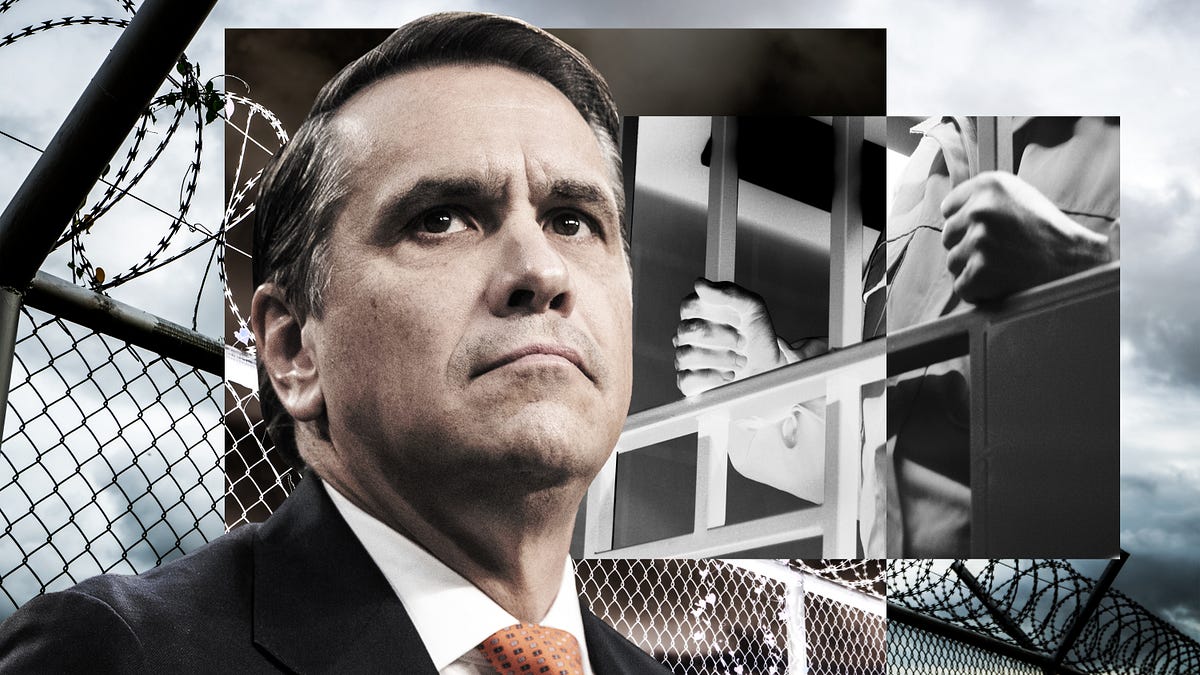
Cover image from thebulwark.com, which was analyzed for this article
Key Republicans postponed a vote on Blanche's confirmation as attorney general over concerns about Trump administration policies, including IRS settlements. Bipartisan hesitation emerged in committee proceedings.
PoliticalOS
Thursday, July 30, 2026 — Politics
The nomination delay stems from two retiring Republican senators insisting on written revisions to a specific IRS settlement rather than accepting verbal assurances from the nominee. The committee must still secure a majority before the full Senate can consider Blanche.
What outlets missed
A federal judge blocked the anti-weaponization fund in July 2026 on collusion grounds, providing concrete context for why written changes to the settlement text were sought. Cornyn and Tillis are both lame-duck senators who lost primaries or are retiring, removing reelection pressure from their stance. The exact dollar figure of the fund and the $10 billion original lawsuit demand appear in some accounts but were not uniformly corroborated across reports.
Senate Judiciary Committee Delays Vote on Todd Blanche Attorney General Nomination
The Senate Judiciary Committee has postponed a scheduled vote on advancing Todd Blanche's nomination to serve as attorney general, reflecting lingering concerns from two Republican senators about a May settlement between the Internal Revenue Service and President Donald Trump along with his sons. The delay, announced late Wednesday, leaves the timing of any new markup unclear and underscores the procedural steps required for nominees to clear committee before reaching the full Senate.
Blanche, currently serving as acting attorney general, oversaw the agreement that resolved a lawsuit filed by the Trumps seeking $10 billion in damages over the leak of their tax returns. The settlement halted certain IRS audits of Trump, his sons and the Trump Organization. It also established a proposed $1.776 billion fund intended to compensate individuals who claimed to be victims of political weaponization by the Justice Department, with eligibility provisions that could have extended to some people convicted in connection with the January 6, 2021, Capitol attack. A federal judge later blocked implementation of the fund after it drew bipartisan criticism and legal challenges.
Sens. John Cornyn of Texas and Thom Tillis of North Carolina have pressed for written, binding assurances that the fund cannot be revived and that the audit protections do not extend beyond existing matters. Cornyn has indicated he wants explicit language limiting the settlement's scope to audits already underway rather than shielding future tax filings. In public comments, he described the Justice Department's responses as insufficient and accused officials of stonewalling efforts to resolve the issue. Tillis has similarly signaled that verbal statements from Blanche that the fund is dead fall short of the documentation needed to address his objections.
The committee had been set to vote Thursday morning on whether to advance the nomination. With 12 Republicans and 10 Democrats on the panel, Blanche would need a majority to move forward. Democrats are expected to oppose the nomination, so any defection from Cornyn or Tillis could block progress at this stage. A committee spokesperson noted that the postponement allows continued work to secure enough support for a favorable report, describing Blanche as highly qualified while acknowledging the need to address the senators' requests.
The episode illustrates how Senate confirmation processes can hinge on relatively narrow disputes even within a president's own party. Committee leaders have sought to manage the nomination through standard markup procedures, yet the settlement's terms have introduced complications that extend beyond typical partisan lines. Blanche has maintained that the anti-weaponization provision is no longer operative, but the continued presence of related language in the signed agreement has kept the matter open for Cornyn and Tillis.
Observers of Senate operations note that such delays are not uncommon when senators from the majority party raise substantive questions about an executive action. The full Senate would still need to confirm Blanche if the committee advances him, requiring coordination across multiple procedural checkpoints. No new vote date has been set, leaving the nomination's near-term trajectory dependent on whether additional written commitments from the Justice Department can satisfy the two holdouts.
You just read Liberal's take. Want to read what actually happened?
More in Politics
Democrats Flip Senate, Expand House Majority in Midterms
Democrats flipped the Senate and expanded their House majority in a major rebuke to President Trump and Republicans. Key victories included multiple Senate seats and state-level wins that ended long-standing GOP dominance in places like Texas.
GOP Losses Spur Blame, Vance Distancing, 2028 Maneuvers
Republicans are pointing fingers internally after heavy losses, with Vice President JD Vance distancing himself from Trump over the Iran war and positioning for a potential 2028 run. Challengers within the party are already sensing opportunity.
Democrats Take House and Senate Amid Record Midterm Turnout
Democrats achieved decisive gains in the 2026 midterms, flipping seats to take control of both chambers. Coverage highlights historic turnout and implications for the Trump administration.
Democrats Take House and Senate, Constraining Trump
Democrats flipped both the House and Senate in a major rebuke to President Trump and Republicans. The results create divided government and set up battles over spending, oversight, and foreign policy for the remainder of Trump's term.
The Compass
You just read five takes on one story.
What's your take? Find your political shape in a few minutes.
Take the test