
Murkowski opposition narrows Blanche path to AG confirmation
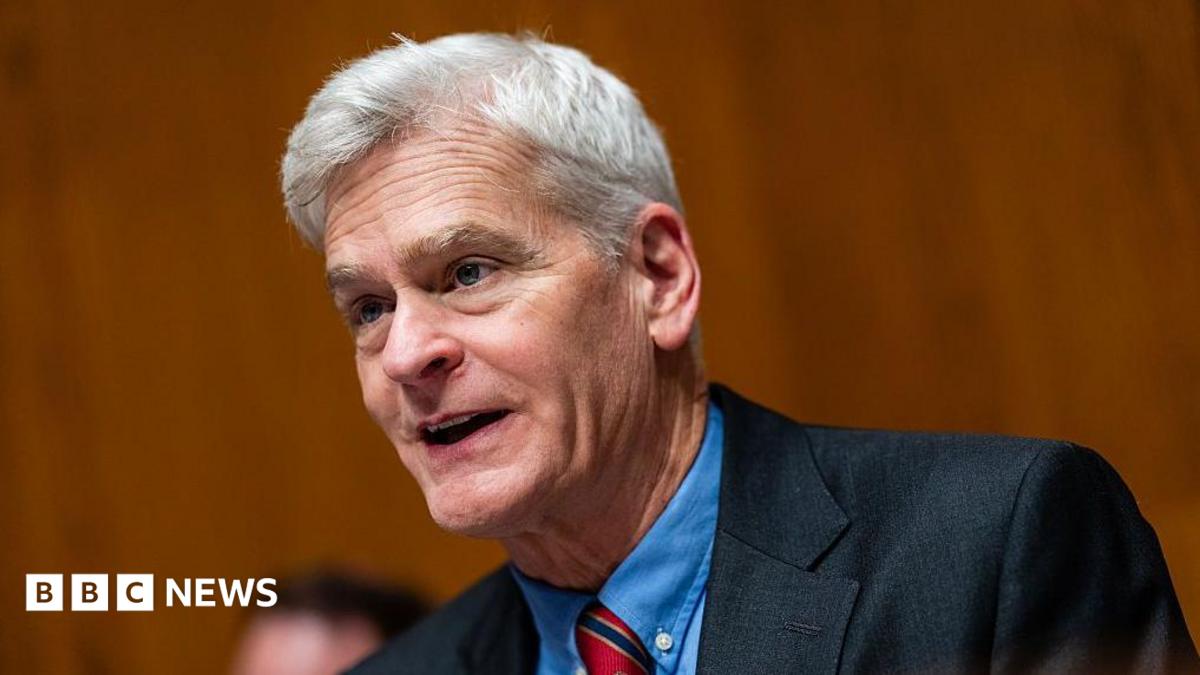
Cover image from bbc.co.uk, which was analyzed for this article
Sen. Lisa Murkowski and other Republicans announced opposition to Trump's pick for attorney general, threatening confirmation. The nomination has narrowed its path forward in the Senate.
PoliticalOS
Friday, August 7, 2026 — Politics
Blanche’s confirmation now depends on whether any additional Republican joins Murkowski and Collins in opposition, with Cassidy’s vote and McConnell’s return the remaining variables. The core unresolved issue is whether written assurances on the compensation fund will hold once Blanche is confirmed or whether further legislative safeguards are required.
What outlets missed
Most coverage omitted details on the IRS settlement that created the compensation fund and the related tax-immunity provisions for Trump and his businesses. Few outlets examined whether Blanche’s written assurances to Cornyn and Tillis could be reversed after confirmation or what specific Epstein-file redactions prompted Tillis to demand a victims meeting. The potential for Democrats to force legislation blocking any future fund revival also received little attention beyond brief mentions.
Murkowski Joins Opposition to Blanche Attorney General Nomination
Republican Senator Lisa Murkowski of Alaska announced Friday she will vote against Todd Blanche's nomination as attorney general, joining Maine Senator Susan Collins in opposing President Donald Trump's choice to lead the Justice Department. The development leaves Blanche with minimal room for further Republican defections in a 53-47 Senate where Kentucky Senator Mitch McConnell remains absent due to health issues.
Murkowski cited concerns over the Justice Department's direction under the current administration, including its handling of files related to the late Jeffrey Epstein and a proposed compensation fund tied to earlier litigation involving Trump and the Internal Revenue Service. She stated that the country requires an attorney general capable of checking executive impulses, though she acknowledged constructive meetings with Blanche and described him as decent and capable in personal interactions.
Blanche, who has served as acting attorney general, secured advancement through the Senate Judiciary Committee earlier this week after reaching written agreements with Texas Senator John Cornyn and North Carolina Senator Thom Tillis. Those agreements addressed the termination of an approximately 1.8 billion dollar anti-weaponization fund that originated from a settlement in Trump's lawsuit against the IRS over leaked tax returns. The fund had drawn criticism for potentially providing payments linked to January 6 cases.
Murkowski's opposition centers on doubts that the fund would stay terminated once confirmation removes Senate leverage. Similar reservations prompted Collins to announce her opposition earlier in the week. Louisiana Senator Bill Cassidy has yet to declare a position, leaving open the possibility that a third Republican no vote could block the nomination outright. Democrats are expected to oppose Blanche uniformly.
Blanche's nomination process has highlighted divisions within the Republican conference over the proper role of the Justice Department. Past administrations expanded the department's civil rights enforcement through concepts such as disparate impact analysis, which critics argued prioritized group outcomes over individual cases and contributed to broader institutional shifts. Blanche's pledges to senators focused on limiting such mechanisms and ensuring decisions apply evenly rather than targeting political opponents.
The absence of McConnell reduces the margin for error, as any additional holdout would require Democratic support that has not materialized. Senate Majority Leader John Thune has indicated plans to schedule a vote before the August recess, though the current tally makes passage uncertain without further commitments. Blanche met with both Murkowski and Cassidy in recent days without securing their backing at the time.
The episode underscores recurring tensions over executive appointments and institutional independence. Senators who frequently diverge from party leadership on high-profile matters have framed their positions around preserving checks on power, while supporters of the nomination argue that sustained resistance reflects reluctance to restore focus on core law enforcement functions after years of selective enforcement patterns. Blanche's confirmation, if achieved, would hinge on whether remaining undecided Republicans accept the written assurances already provided to committee members.
You just read Conservative's take. Want to read what actually happened?
More in Politics

Democrats Flip Senate, Expand House Majority in Midterms
Democrats flipped the Senate and expanded their House majority in a major rebuke to President Trump and Republicans. Key victories included multiple Senate seats and state-level wins that ended long-standing GOP dominance in places like Texas.

GOP Losses Spur Blame, Vance Distancing, 2028 Maneuvers
Republicans are pointing fingers internally after heavy losses, with Vice President JD Vance distancing himself from Trump over the Iran war and positioning for a potential 2028 run. Challengers within the party are already sensing opportunity.

Democrats Take House and Senate Amid Record Midterm Turnout
Democrats achieved decisive gains in the 2026 midterms, flipping seats to take control of both chambers. Coverage highlights historic turnout and implications for the Trump administration.
Democrats Take House and Senate, Constraining Trump
Democrats flipped both the House and Senate in a major rebuke to President Trump and Republicans. The results create divided government and set up battles over spending, oversight, and foreign policy for the remainder of Trump's term.
The Compass
You just read five takes on one story.
What's your take? Find your political shape in a few minutes.
Take the test