
Blanche Rescinds $1.8B Fund, Clearing Path for AG Vote
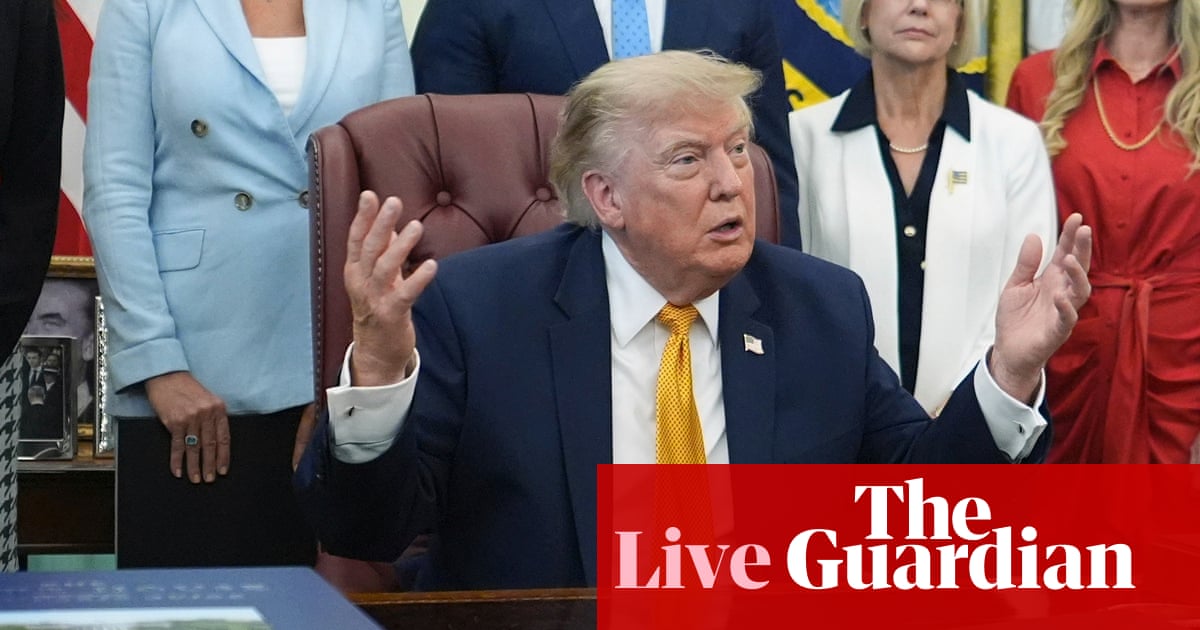
Cover image from theguardian.com, which was analyzed for this article
Acting AG nominee Todd Blanche formally withdrew the $1.8B IRS fund after GOP holdouts demanded written assurances. The move clears a path for his confirmation vote amid ongoing Senate negotiations.
PoliticalOS
Monday, August 3, 2026 — Politics
Blanche’s written rescission satisfied the two Republican senators holding up his confirmation by documenting that the $1.8 billion fund would not proceed. The episode illustrates how a single procedural demand can stall a cabinet-level nomination even within the president’s own party.
What outlets missed
Most coverage omitted that the fund was created through a formal May 2026 settlement resolving a $10 billion lawsuit over leaked tax returns, not as a standalone initiative. Several outlets failed to note the second clarifying order that narrowed tax-audit immunity to named plaintiffs only. Few reported that the fund had never become operational, with zero appointments, transfers, or payments made before rescission. The precise language in Blanche’s order referencing prior court representations was often summarized rather than quoted directly.
Acting Attorney General Rescinds Anti-Weaponization Fund to Clear Path for Confirmation
Acting Attorney General Todd Blanche issued a formal order late Sunday rescinding the Justice Department’s $1.8 billion anti-weaponization fund, a step taken explicitly to satisfy two Republican senators whose support is required for his confirmation. The move ends weeks of internal Republican friction over a fund that originated in a May settlement between the Trump administration and the Internal Revenue Service.
The fund was created as part of an agreement that also included broad tax protections for President Trump, his family, and his businesses. It was intended to provide compensation to individuals who claimed they had been targeted by prior administrations. Republican Sens. John Cornyn of Texas and Thom Tillis of North Carolina, both members of the Senate Judiciary Committee and both retiring at the end of their terms, had withheld support for Blanche until they received written confirmation that the fund would not proceed. They cited concerns that payments could reach individuals convicted in connection with the January 6, 2021, Capitol riot.
Blanche’s order states that no members had been appointed to administer the fund, no money had been transferred, and no claims had been paid. It also narrows the scope of the accompanying tax protections, limiting them to the named parties in the original lawsuit and applying only retroactively. A spokeswoman for Cornyn confirmed that the written assurances resolved the senator’s objections. The committee is now scheduled to vote on Blanche’s nomination on Tuesday.
The episode underscores the limits of Trump’s influence even within his own party when institutional concerns about executive overreach and the use of taxpayer funds intersect with senators’ electoral calculations. Both Cornyn and Tillis face no further primary challenges, freeing them to prioritize written guardrails over verbal assurances from the administration. Trump had continued to express support for the fund and had threatened to pursue the money through Congress if necessary, describing the effort as a response to perceived government weaponization.
Democrats on the committee remain uniformly opposed to Blanche’s confirmation, meaning Republican unity remains essential. The dispute also highlighted procedural questions about how the original settlement was structured and whether elements of the tax immunity provisions could survive in narrower form. Blanche’s statement emphasized that the department had already represented to courts that the fund was not moving forward, framing the new order as a formalization of prior testimony rather than a policy reversal.
The episode illustrates how confirmation fights can force concrete concessions even from an administration that prefers informal commitments. With the fund formally terminated in writing, Blanche’s path to Senate confirmation now depends on whether remaining Republican reservations have been addressed.
You just read Liberal's take. Want to read what actually happened?
More in Politics
Democrats Flip Senate, Expand House Majority in Midterms
Democrats flipped the Senate and expanded their House majority in a major rebuke to President Trump and Republicans. Key victories included multiple Senate seats and state-level wins that ended long-standing GOP dominance in places like Texas.
GOP Losses Spur Blame, Vance Distancing, 2028 Maneuvers
Republicans are pointing fingers internally after heavy losses, with Vice President JD Vance distancing himself from Trump over the Iran war and positioning for a potential 2028 run. Challengers within the party are already sensing opportunity.
Democrats Take House and Senate Amid Record Midterm Turnout
Democrats achieved decisive gains in the 2026 midterms, flipping seats to take control of both chambers. Coverage highlights historic turnout and implications for the Trump administration.
Democrats Take House and Senate, Constraining Trump
Democrats flipped both the House and Senate in a major rebuke to President Trump and Republicans. The results create divided government and set up battles over spending, oversight, and foreign policy for the remainder of Trump's term.
The Compass
You just read five takes on one story.
What's your take? Find your political shape in a few minutes.
Take the test