
Judge Rejects Bid to Segregate 20,000 California Ballots
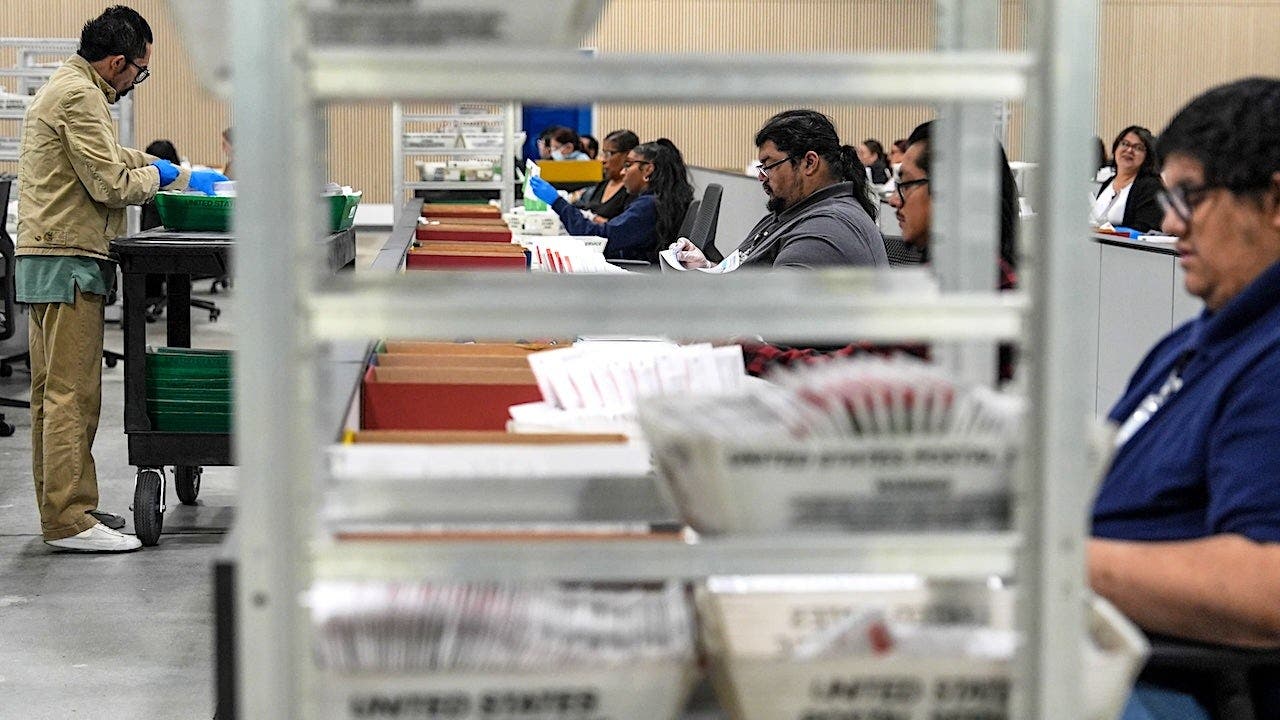
Cover image from foxnews.com, which was analyzed for this article
Federal judge rejects Trump administration request to set aside suspected noncitizen ballots, citing potential voting disruption. Decision comes amid broader fraud investigations before midterms.
PoliticalOS
Thursday, October 29, 2026 — Politics
A sitting federal judge has ruled that separating ballots mid-election risks greater harm than allowing them to be counted, even as the Justice Department pursues evidence of ineligible registrations. The decision is now before the Ninth Circuit, leaving the practical effect on California's results unresolved until appeals conclude.
What outlets missed
The Nation article contains no reporting on the California ballot case or the related Washington state inquiry and instead focuses on a broader midterm narrative. Fox News supplied the core procedural facts and statements from the judge and U.S. attorney but did not detail the exact methodology used to match voter records against federal databases or the status of any parallel investigations in other states. Neither outlet addressed how many of the 20,000 registrations had been flagged through self-declarations versus external data matches.
Federal Judge Denies Bid to Pause California Ballot Count Over Noncitizen Concerns
A federal judge has turned aside a Justice Department effort to prevent California from immediately processing mail ballots tied to more than 20,000 suspected noncitizens on the state's voter rolls. U.S. District Judge David Carter ruled late Wednesday that such an order would disrupt an election already in progress and risk discounting valid votes cast by citizens.
The decision came after a hearing in Los Angeles. Carter wrote that the requested temporary restraining order would create widespread confusion for election workers and voters alike. California sends ballots to all 23 million registered voters, and state officials have already received and begun processing hundreds of thousands of returns this week. More than 3.7 million ballots have been cast statewide so far.
The Justice Department had asked the court to isolate the disputed ballots pending further review of citizenship status. Officials argue that allowing the votes to be counted without separation could dilute the weight of ballots submitted by eligible citizens. U.S. Attorney Bill Essayli said the department views the ongoing count as an immediate problem for election integrity. The department filed notice of appeal to the Ninth Circuit Court of Appeals shortly after the ruling and indicated it would seek emergency relief from the higher court.
California maintains that its voter registration system already screens for citizenship through multiple checks, including cross-references with state and federal databases. State leaders have resisted additional last-minute restrictions, citing the scale of the election and the logistical challenge of pulling ballots after they have left their envelopes. More than 500,000 ballots had already been extracted from envelopes and entered into the counting process by the time the court issued its order.
The dispute highlights long-standing tensions over how states verify eligibility when they automatically mail ballots to every registered voter. Critics of the practice point to instances in which individuals who are not citizens have appeared on rolls despite legal barriers to registration. Supporters of broad mailing argue that existing safeguards and post-election audits provide sufficient protection without halting the count midstream.
The Justice Department's appeal will now move to the Ninth Circuit, which has jurisdiction over California cases. That court has a history of rapid action on election-related matters when ballots are already being processed. Any ruling there could affect how the remaining ballots are handled in the days ahead.
Election officials in several California counties have said they will continue normal operations until higher courts issue different instructions. The state has emphasized that federal law requires ballots to be counted once received, while the Justice Department maintains that separating questionable ballots does not violate that requirement when citizenship questions are at stake.
The case arrives as voters across the country prepare for midterm contests. In California, the sheer volume of mail ballots means that even small percentages of ineligible entries can translate into thousands of votes that affect outcomes in close races. Data from prior cycles has shown that states with automatic mailing systems must devote significant resources to cleaning rolls and confirming eligibility after registration.
Judge Carter's order leaves the ballots in the general pool for now. The department's next steps at the appellate level will determine whether any further separation or review occurs before results are certified.
You just read Conservative's take. Want to read what actually happened?
More in Politics
Democrats Flip Senate, Expand House Majority in Midterms
Democrats flipped the Senate and expanded their House majority in a major rebuke to President Trump and Republicans. Key victories included multiple Senate seats and state-level wins that ended long-standing GOP dominance in places like Texas.
GOP Losses Spur Blame, Vance Distancing, 2028 Maneuvers
Republicans are pointing fingers internally after heavy losses, with Vice President JD Vance distancing himself from Trump over the Iran war and positioning for a potential 2028 run. Challengers within the party are already sensing opportunity.
Democrats Take House and Senate Amid Record Midterm Turnout
Democrats achieved decisive gains in the 2026 midterms, flipping seats to take control of both chambers. Coverage highlights historic turnout and implications for the Trump administration.
Democrats Take House and Senate, Constraining Trump
Democrats flipped both the House and Senate in a major rebuke to President Trump and Republicans. The results create divided government and set up battles over spending, oversight, and foreign policy for the remainder of Trump's term.
The Compass
You just read five takes on one story.
What's your take? Find your political shape in a few minutes.
Take the test