
Judge Rejects Bid to Segregate 20,000 California Ballots
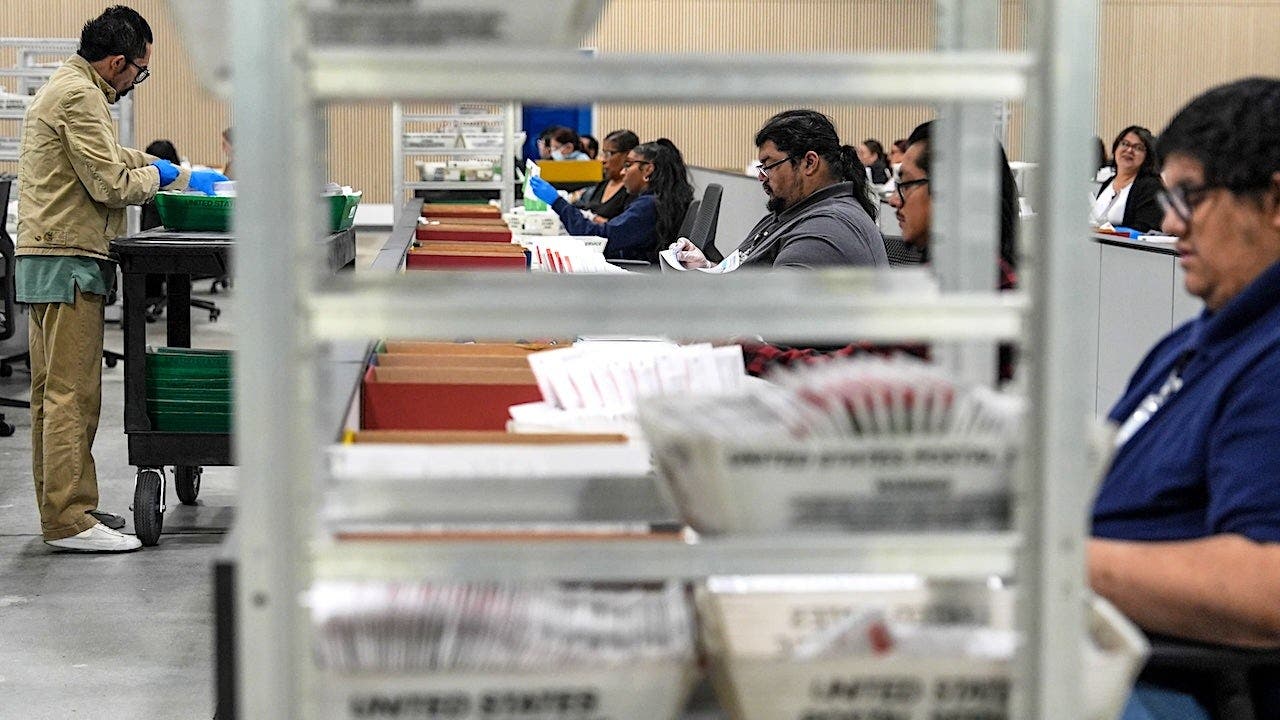
Cover image from foxnews.com, which was analyzed for this article
Federal judge rejects Trump administration request to set aside suspected noncitizen ballots, citing potential voting disruption. Decision comes amid broader fraud investigations before midterms.
PoliticalOS
Thursday, October 29, 2026 — Politics
A sitting federal judge has ruled that separating ballots mid-election risks greater harm than allowing them to be counted, even as the Justice Department pursues evidence of ineligible registrations. The decision is now before the Ninth Circuit, leaving the practical effect on California's results unresolved until appeals conclude.
What outlets missed
The Nation article contains no reporting on the California ballot case or the related Washington state inquiry and instead focuses on a broader midterm narrative. Fox News supplied the core procedural facts and statements from the judge and U.S. attorney but did not detail the exact methodology used to match voter records against federal databases or the status of any parallel investigations in other states. Neither outlet addressed how many of the 20,000 registrations had been flagged through self-declarations versus external data matches.
Federal Judge Blocks DOJ Effort to Pause California Ballot Counting Over Noncitizen Allegations
A federal judge in Los Angeles has denied the Justice Department's request for an emergency order that would have prevented California from processing and counting mail ballots tied to more than 20,000 suspected noncitizens on the state's voter rolls. U.S. District Judge David Carter ruled late Wednesday that intervening at this stage would disrupt an election already in progress, potentially discouraging participation and creating administrative chaos for officials handling millions of ballots.
The decision comes as California continues its universal mail voting system, sending ballots to all 23 million registered voters. Court records indicate that more than 3.7 million people have already cast ballots statewide, with over 500,000 processed in recent days. The DOJ had sought a temporary restraining order to sequester the disputed ballots, arguing that including them could dilute the votes of eligible citizens. Prosecutors pointed to evidence suggesting improper registrations, though details on how the 20,000 cases were identified remain limited in public filings.
Carter's order emphasized the practical realities of election timing. He noted that halting counts now risks undermining confidence in the process for voters who have already participated and for workers managing tight deadlines. The ruling aligns with longstanding judicial reluctance to alter election procedures close to or during voting periods, where changes can produce uneven effects across jurisdictions.
The Justice Department, under the current administration, moved quickly to appeal to the Ninth Circuit Court of Appeals. U.S. Attorney Bill Essayli stated that the ongoing processing of ballots creates an immediate risk of improper votes being tallied, describing the situation as one that effectively disenfranchises citizens through vote dilution. The appeal seeks an emergency order to address the ballots before final certification.
This case highlights persistent challenges in maintaining accurate voter rolls amid high-volume mail systems. California, like other states with automatic or expansive registration practices, has faced scrutiny over how it verifies citizenship status, particularly when federal databases and state records do not always align in real time. Noncitizen voting remains illegal under both state and federal law, and even small numbers of improper registrations can raise questions about the integrity of close races. At the same time, large-scale purges or last-minute interventions carry their own risks, including the potential removal of eligible voters due to data errors or timing issues.
Election administrators in California have defended their processes, noting requirements for voter affirmation of eligibility and post-election audits. The DOJ's focus on this specific set of registrations appears tied to targeted reviews rather than a blanket challenge to the state's system. Still, the litigation underscores broader tensions between aggressive enforcement of eligibility rules and the need for stable, predictable election operations.
The Ninth Circuit's handling of the appeal will determine whether any ballots are set aside before results are finalized. Whatever the outcome, the episode illustrates how disputes over voter list maintenance can intersect with the compressed timelines of modern elections, where millions of ballots move through the system in a matter of days. Both sides frame their positions in terms of protecting democratic participation, yet the mechanics of verification and remedy remain constrained by statute, precedent, and the calendar itself.
You just read Liberal's take. Want to read what actually happened?
More in Politics
Democrats Flip Senate, Expand House Majority in Midterms
Democrats flipped the Senate and expanded their House majority in a major rebuke to President Trump and Republicans. Key victories included multiple Senate seats and state-level wins that ended long-standing GOP dominance in places like Texas.
GOP Losses Spur Blame, Vance Distancing, 2028 Maneuvers
Republicans are pointing fingers internally after heavy losses, with Vice President JD Vance distancing himself from Trump over the Iran war and positioning for a potential 2028 run. Challengers within the party are already sensing opportunity.
Democrats Take House and Senate Amid Record Midterm Turnout
Democrats achieved decisive gains in the 2026 midterms, flipping seats to take control of both chambers. Coverage highlights historic turnout and implications for the Trump administration.
Democrats Take House and Senate, Constraining Trump
Democrats flipped both the House and Senate in a major rebuke to President Trump and Republicans. The results create divided government and set up battles over spending, oversight, and foreign policy for the remainder of Trump's term.
The Compass
You just read five takes on one story.
What's your take? Find your political shape in a few minutes.
Take the test