
Judge Rejects Bid to Segregate 20,000 California Ballots
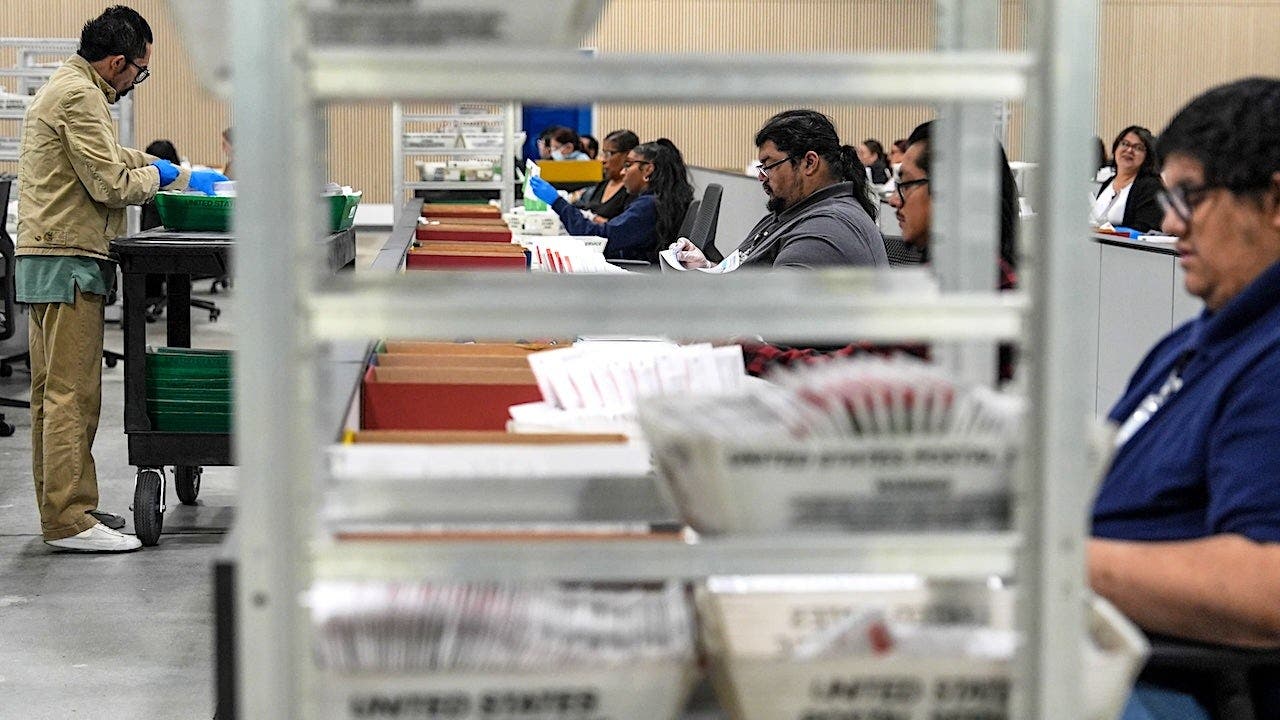
Cover image from foxnews.com, which was analyzed for this article
Federal judge rejects Trump administration request to set aside suspected noncitizen ballots, citing potential voting disruption. Decision comes amid broader fraud investigations before midterms.
PoliticalOS
Thursday, October 29, 2026 — Politics
A sitting federal judge has ruled that separating ballots mid-election risks greater harm than allowing them to be counted, even as the Justice Department pursues evidence of ineligible registrations. The decision is now before the Ninth Circuit, leaving the practical effect on California's results unresolved until appeals conclude.
What outlets missed
The Nation article contains no reporting on the California ballot case or the related Washington state inquiry and instead focuses on a broader midterm narrative. Fox News supplied the core procedural facts and statements from the judge and U.S. attorney but did not detail the exact methodology used to match voter records against federal databases or the status of any parallel investigations in other states. Neither outlet addressed how many of the 20,000 registrations had been flagged through self-declarations versus external data matches.
Judge Rejects Federal Push to Disrupt California Ballot Counting
A federal judge has turned aside a last-minute Justice Department effort to halt the counting of mail ballots from more than 20,000 suspected noncitizens in California, ruling that such an order would throw the ongoing election into chaos and undermine the rights of citizens who have already cast ballots. U.S. District Judge David Carter issued the decision late Wednesday after a hearing in Los Angeles, emphasizing that the election process was already well underway with millions of votes processed.
The ruling came in response to a request for a temporary restraining order that would have required California officials to segregate and stop processing those ballots. Carter wrote that granting the request “would wreak havoc and disrupt the election that is already underway, create a chilling effect on election workers and voters alike, and discount the votes of United States citizens.” More than 3.7 million Californians have voted so far, with over 500,000 ballots already extracted from envelopes and entering the tabulation stage, according to court records. The state mails ballots to all 23 million registered voters.
The Justice Department quickly appealed the decision to the Ninth Circuit Court of Appeals. U.S. Attorney Bill Essayli stated on social media that the department would seek an emergency order from the appeals court, arguing that continued counting “disenfranchises American citizens through dilution.” The case stems from concerns over the presence of suspected noncitizens on voter rolls, an issue that has drawn sharp exchanges between state officials and federal prosecutors appointed during the Trump administration.
California Governor Gavin Newsom’s office has pushed back against the federal intervention, describing it as an unnecessary intrusion into state election administration at a critical moment. State election officials maintain that they follow federal and state laws requiring citizenship for registration and that any errors are addressed through existing verification processes. The DOJ’s filing highlighted lists of individuals flagged as potential noncitizens, yet the judge determined that halting ballot processing now would inflict broader damage on the integrity of the count.
Critics of the federal move argue that the timing of the request, filed while voting is already underway, risks amplifying unfounded doubts about the election’s legitimacy rather than resolving them through orderly channels. Legal observers note that courts have historically been reluctant to issue broad injunctions once ballots begin to be cast and processed, precisely to avoid the kind of voter confusion and administrative disruption that Carter described. The appeal now shifts the focus to the Ninth Circuit, where a panel will decide whether to grant emergency relief.
For voters and election workers in California, the immediate effect of the ruling is that counting proceeds without interruption. The state continues to process the large volume of mail ballots returned in the final days before Election Day. Both sides in the litigation have indicated they will continue pressing their positions, setting the stage for further rulings that could shape how similar challenges are handled in future contests. The episode underscores the tension between federal oversight of election laws and the practical demands of running a statewide vote already in motion.
You just read Progressive's take. Want to read what actually happened?
More in Politics

Democrats Flip Senate, Expand House Majority in Midterms
Democrats flipped the Senate and expanded their House majority in a major rebuke to President Trump and Republicans. Key victories included multiple Senate seats and state-level wins that ended long-standing GOP dominance in places like Texas.

GOP Losses Spur Blame, Vance Distancing, 2028 Maneuvers
Republicans are pointing fingers internally after heavy losses, with Vice President JD Vance distancing himself from Trump over the Iran war and positioning for a potential 2028 run. Challengers within the party are already sensing opportunity.

Democrats Take House and Senate Amid Record Midterm Turnout
Democrats achieved decisive gains in the 2026 midterms, flipping seats to take control of both chambers. Coverage highlights historic turnout and implications for the Trump administration.
Democrats Take House and Senate, Constraining Trump
Democrats flipped both the House and Senate in a major rebuke to President Trump and Republicans. The results create divided government and set up battles over spending, oversight, and foreign policy for the remainder of Trump's term.
The Compass
You just read five takes on one story.
What's your take? Find your political shape in a few minutes.
Take the test