
US Intel Alleges China Readying Air Defenses for Iran in Ceasefire Window
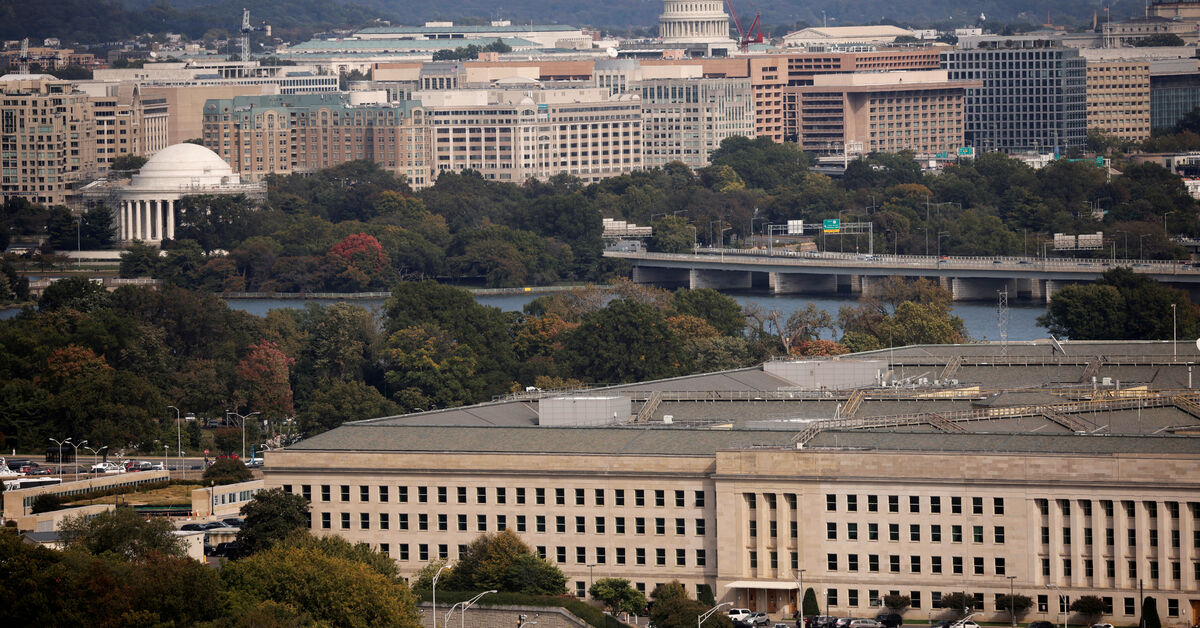
Cover image from al-monitor.com, which was analyzed for this article
US intelligence reports China planning air defense systems delivery to Iran during the fragile ceasefire, potentially undermining talks. The move heightens Gulf tensions. It coincides with negotiations over sanctions and assets.
PoliticalOS
Saturday, April 11, 2026 — Politics
U.S. intelligence has again accused China of preparing MANPAD deliveries to Iran during a fresh ceasefire, a claim Beijing immediately and comprehensively denied. No independent evidence has yet surfaced, and similar past allegations have not produced verified transfers. The real stakes lie in whether these leaks will complicate imminent U.S.-Iran talks hosted by Pakistan or simply reflect ongoing great-power competition.
What outlets missed
Both outlets underplayed Pakistan's central role as the primary broker and host of the ceasefire talks, instead inflating or omitting China's diplomatic contribution. They also failed to note the complete absence of public corroborating evidence such as satellite imagery or manifests, despite this being the third round of similar U.S. accusations since February. Coverage largely ignored Washington's simultaneous dependence on Beijing for critical defense minerals, which creates a contradictory leverage dynamic. Finally, neither story fully explored how dual-use technology sales already acknowledged by sources differ from outright weapons shipments, a distinction that matters under international sanctions regimes.
A reported Chinese decision to supply Iran with new air defense weapons lands at the worst possible moment. It threatens to unravel a two-week-old ceasefire that paused a six-week war between the United States and Iran, injecting fresh uncertainty into high-stakes talks aimed at locking in peace, easing sanctions and resolving frozen assets.
The core tension is straightforward and unresolved: does Beijing intend to tilt the battlefield again, or are U.S. intelligence assessments once more outrunning the evidence? CNN, citing three people familiar with the latest assessments, reported late Friday that China is preparing to deliver shoulder-fired MANPAD systems within weeks. The network said Beijing appears to be routing the shipments through third countries to conceal their origin. The weapons use heat-seeking technology to target aircraft engines. During the recent fighting one such missile nearly struck a U.S. F/A-18 and another was linked by President Trump to the downing of an F-15, though the precise supplier remains unconfirmed.
Al-Monitor's wire version of the story, drawn from Reuters, notes that the U.S. State Department, White House and Chinese embassy in Washington did not immediately respond to queries. The New York Post version adds that the same systems posed a serious threat to American pilots in the five-week conflict. Both accounts appear to draw from the same CNN sourcing.
China flatly rejected the allegations. A spokesperson for its embassy in Washington told CNN that Beijing "has never provided weapons to any party to the conflict" and called the information "untrue." The statement continued: China fulfills its international obligations, opposes baseless accusations, and hopes all sides will focus on de-escalation rather than sensationalism. This marks the latest in a series of similar U.S. intelligence claims dating back to February, when Beijing was accused of preparing to sell CM-302 cruise missiles to Iran. Those earlier reports likewise produced no publicly verified deliveries.
The timing could hardly be more delicate. A ceasefire took effect April 8 after intense shuttle diplomacy hosted primarily by Pakistan in Islamabad, with China applying secondary pressure through calls to Iranian leaders. Saturday's planned high-level U.S.-Iran negotiations in the Pakistani capital are meant to transform the pause into a durable agreement covering sanctions relief and asset releases. U.S. officials have privately warned that any arms flow to Iran would complicate those talks and heighten tensions across the Gulf.
Broader context adds layers. Chinese firms have continued selling sanctioned dual-use technology that could aid Iranian weapons development and navigation, according to the same intelligence sources. At the same time, the United States remains heavily dependent on China for rare-earth minerals and components essential to its own defense supply chain. President Trump is scheduled to visit Beijing in early May for direct talks with Xi Jinping.
No independent satellite imagery, delivery manifests or on-the-record confirmations have surfaced to corroborate the latest MANPAD claim. Previous accusations followed a similar pattern: anonymous U.S. leaks, swift Chinese denials, and no visible escalation. Yet the mere allegation is enough to alarm Gulf partners and test the fragile truce. Whether the intelligence proves accurate or becomes another data point in long-running U.S.-China strategic competition will shape the next phase of Middle East diplomacy.
More in Politics

Federal Agents Search Omar Home in Ongoing Immigration Probe
Homeland Security agents searched the Minnesota Democrat's DC residence in a criminal probe, prompting accusations of political intimidation from Omar and Democratic leaders. Coverage spans left-leaning outlets like NPR, BBC, and The Guardian alongside right-leaning criticism from The Federalist and Daily Wire.

Trump Diesel Import Plan Draws Pushback Over Russia Ties
The weekend agreement drew bipartisan congressional pushback and criticism from Ukraine's Zelenskyy, with analysts downplaying US fuel price impacts. Right-leaning outlets like National Review, Dispatch, and Washington Examiner questioned its legality and effectiveness.

Independents Test Voter Appetite for Middle Ground in 2026 Midterms
Nearly 200 independents are running in competitive races as voters weigh ballot measures on housing costs in states like Massachusetts. Left-leaning coverage from NYT, NPR, and Guardian highlights turnout and key races while right outlets focus on GOP strategy.
Trump Rallies in Alaska, Ohio to Bolster GOP Senate Candidates
The president rallied in Wasilla for Sen. Dan Sullivan and faced empty seats at an Ohio event amid midterm concerns. Outlets across the spectrum covered the trips as signals of GOP vulnerability weeks before Election Day.
The Compass
You just read five takes on one story.
What's your take? Find your political shape in a few minutes.
Take the test