
US-Iran Ceasefire Frays Over Hormuz and Assassination Warnings
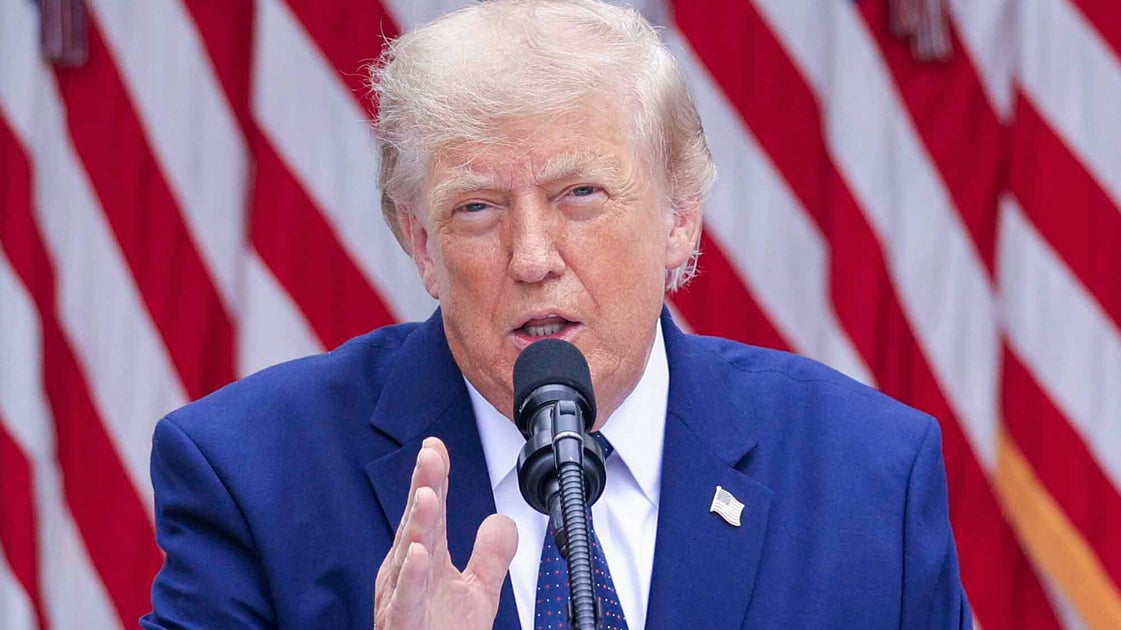
Cover image from huffpost.com, which was analyzed for this article
US strikes on Iran paused amid mediation efforts, with rising gas prices and renewed rhetoric from Trump. Coverage from left-leaning sources criticized escalation risks while right-leaning outlets emphasized threats to the US and strategic gains.
PoliticalOS
Friday, July 10, 2026 — Politics
The June memorandum remains in place on paper but is under pressure from disputed interpretations of Hormuz passage rules and renewed military exchanges. Israeli intelligence about a plot against Trump adds a personal dimension that U.S. officials continue to monitor, while mediation channels stay open without a clear path to a final agreement.
What outlets missed
The distinction between general threat monitoring and a specific operational plot was reported by some U.S. officials to Israeli media but received uneven emphasis. Mutual violations of the June memorandum—U.S. resumption of strikes during funeral proceedings and Iranian attacks on shipping—are documented across multiple outlets yet framed asymmetrically. Infrastructure changes allowing Gulf crude to bypass the strait, already underway before this week’s events, received less attention than immediate price spikes. The absence of any on-the-record Iranian confirmation of the latest assassination intelligence left that claim dependent on U.S. and Israeli sourcing alone.
The June 17 memorandum of understanding between the United States and Iran, which established a 60-day window for talks and a ceasefire, faces renewed strain after exchanges of strikes this week. Commercial shipping in the Strait of Hormuz slowed sharply, sending oil prices higher, while Israel passed fresh intelligence to Washington about an Iranian plan targeting President Donald Trump. Mediation efforts continue in Doha even as both governments accuse each other of violating the agreement.
The sequence began when Iranian forces struck vessels that did not follow routes approved by the Islamic Revolutionary Guard Corps. The United States responded with strikes on 85 targets, then 90 more after Iranian retaliation against U.S. assets in Gulf states. Trump stated at the NATO summit in Ankara that the memorandum was “over” and called Iranian leaders “scum,” yet later indicated negotiators could keep talking. Iranian state media reported explosions in southern provinces on Friday; Washington denied involvement. Supreme Leader Ali Khamenei was buried in Mashhad the same day after funeral processions.
Paragraph 5 of the memorandum requires Iran to arrange safe passage for 60 days at no charge and to hold talks with Oman on future administration of the strait. U.S. officials say Iran violated that clause by firing on non-compliant ships. Iranian officials say the United States violated the ceasefire clause by resuming strikes and by not halting Israeli operations in Lebanon. Tanker traffic has shifted toward the southern route along Oman’s coast, and Gulf producers have increased use of pipelines that bypass the strait entirely. The U.S. Energy Information Administration projects global crude production will return near pre-conflict levels by year-end.
Israeli intelligence shared this week described a specific plot against Trump, according to CNN and The Wall Street Journal. U.S. officials have tracked Iranian threats since the 2020 strike that killed Qasem Soleimani, including prior FBI investigations that led to arrests. Some U.S. assessments described the latest warning as more general than operational. Trump referenced the threat repeatedly during the summit and on Air Force One, where he flew in an older aircraft with stronger defensive systems while the newer plane proceeded ahead.
Technical talks between the sides remain scheduled to resume after the funeral period. Iran has filed a complaint with the UN Security Council and stated it will not negotiate while attacks continue. The United States maintains that negotiators are still committed to the process. No final agreement on sanctions relief, the nuclear program, or long-term Hormuz administration has been reached.
More in Politics

Federal Agents Search Omar Home in Ongoing Immigration Probe
Homeland Security agents searched the Minnesota Democrat's DC residence in a criminal probe, prompting accusations of political intimidation from Omar and Democratic leaders. Coverage spans left-leaning outlets like NPR, BBC, and The Guardian alongside right-leaning criticism from The Federalist and Daily Wire.

Trump Diesel Import Plan Draws Pushback Over Russia Ties
The weekend agreement drew bipartisan congressional pushback and criticism from Ukraine's Zelenskyy, with analysts downplaying US fuel price impacts. Right-leaning outlets like National Review, Dispatch, and Washington Examiner questioned its legality and effectiveness.

Independents Test Voter Appetite for Middle Ground in 2026 Midterms
Nearly 200 independents are running in competitive races as voters weigh ballot measures on housing costs in states like Massachusetts. Left-leaning coverage from NYT, NPR, and Guardian highlights turnout and key races while right outlets focus on GOP strategy.
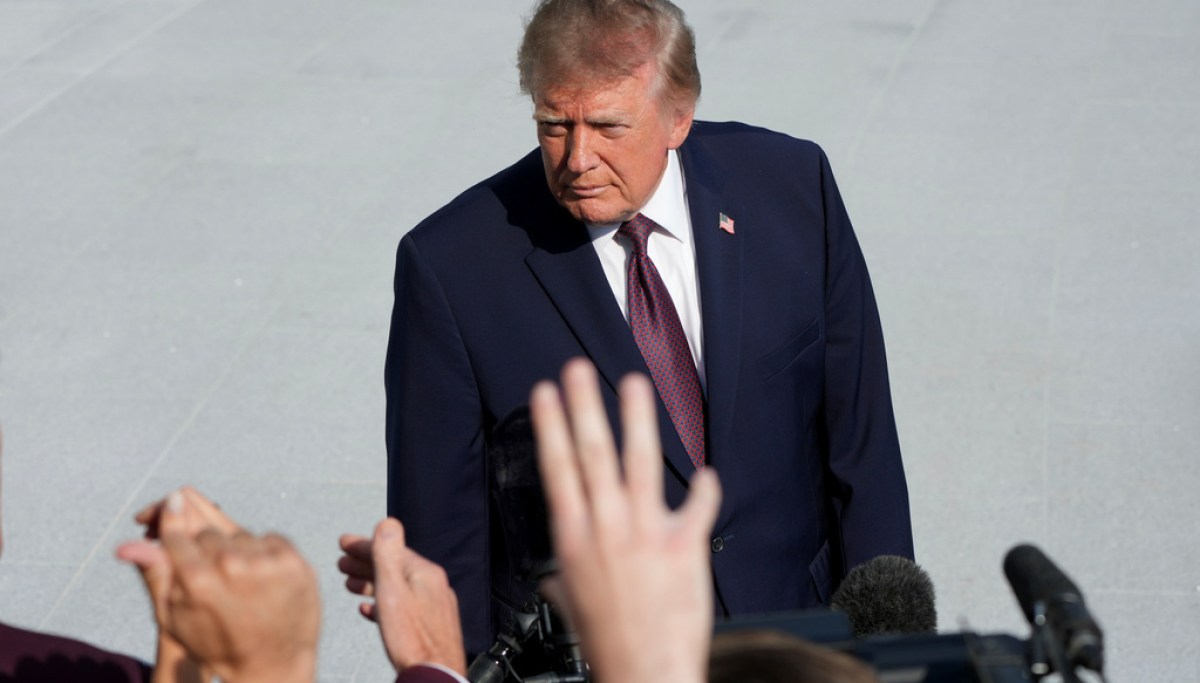
Trump Rallies in Alaska, Ohio to Bolster GOP Senate Candidates
The president rallied in Wasilla for Sen. Dan Sullivan and faced empty seats at an Ohio event amid midterm concerns. Outlets across the spectrum covered the trips as signals of GOP vulnerability weeks before Election Day.
The Compass
You just read five takes on one story.
What's your take? Find your political shape in a few minutes.
Take the test