
US-Iran strikes resume over Hormuz shipping control
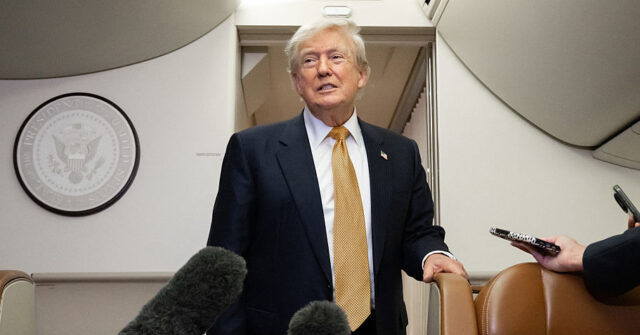
Cover image from breitbart.com, which was analyzed for this article
The US launched fresh airstrikes on Iranian targets after Trump declared a short-lived ceasefire over, with Iran retaliating against regional US interests. Coverage spans multiple days of exchanges threatening broader war and energy markets.
PoliticalOS
Thursday, July 9, 2026 — Politics
The core unresolved issue remains control of shipping routes through the Strait of Hormuz and whether either side will accept arrangements that reduce its leverage. Both governments continue to accuse the other of breaking the June memorandum while exchanging strikes that have already killed at least 14 people in Iran and disrupted global energy transit.
What outlets missed
Most coverage omitted the specific names and flags of the three commercial vessels struck in the strait, which US Central Command cited as the immediate trigger. Few reports detailed the exact target breakdown of US strikes, including more than 60 IRGC small boats. Little attention was given to the precise navigation dispute—whether vessels must use Iran's designated northern route or the southern corridor supported by Oman and the US. The scale of prior damage to Iran's conventional navy and the resulting reliance on asymmetric craft received minimal context across outlets.
Global oil shipments face renewed disruption as the United States and Iran exchanged airstrikes and missile attacks for a second night, threatening to unravel a June memorandum of understanding intended to pause four months of war. The Strait of Hormuz, through which roughly one-fifth of traded oil passed before February, has become the central point of contention, with each side accusing the other of violating the interim deal's terms on navigation and sanctions relief.
US Central Command stated it struck approximately 90 Iranian military targets on the second night, including air defense systems, coastal logistics sites, and anti-ship capabilities, to degrade Iran's ability to threaten commercial vessels. The command said the action followed Iranian attacks on three named tankers—the Marshall Islands-flagged M/T Al Rekayyat, the Saudi-flagged M/T Wedyan, and the Liberian-flagged M/T Cyprus Prosperity—earlier in the week. President Trump, speaking aboard Air Force One, described the US response as retribution and said further attacks on shipping would produce worse consequences, while noting Iran had called seeking a deal.
Iran's Islamic Revolutionary Guard Corps reported strikes on US-linked bases in Kuwait and Bahrain, targeting a Patriot system, fuel depots, and other infrastructure. Iran's Ministry of Health reported 14 deaths and 78 injuries across five provinces from the US strikes, with state media adding specific fatalities including a firefighter at an Iranshahr airport and three people near Ahvaz. Kuwait confirmed interception of missiles and drones, with one injury from debris; Bahrain and Qatar issued security alerts.
The June 17 memorandum, brokered with Pakistan and Qatar, called for a 60-day ceasefire, gradual reopening of the strait under agreed arrangements, lifting of certain US sanctions, and renewed talks on Iran's nuclear program after the funeral of Supreme Leader Ali Khamenei. Both sides now charge violations: Iran cites continued Israeli operations in Lebanon and US strikes during the funeral period, while the United States points to Iran's insistence on routing traffic through its northern corridor and attacks on vessels using other routes. Shipping traffic has fallen sharply, with daily transits through the southern route reduced to single figures from a prewar average of 130.
Trump stated at the NATO summit that the memorandum was over as far as he was concerned yet left open the possibility of continued talks. Iranian parliamentary speaker Mohammad Bagher Ghalibaf replied that bullying and broken promises now carry costs and that the strait would reopen only under Iranian arrangements. UN Secretary-General Antonio Guterres and Qatari officials urged both parties to exercise restraint and uphold the memorandum. No independent verification of casualty totals or specific damage assessments has been reported by neutral observers.
More in Politics

Federal Agents Search Omar Home in Ongoing Immigration Probe
Homeland Security agents searched the Minnesota Democrat's DC residence in a criminal probe, prompting accusations of political intimidation from Omar and Democratic leaders. Coverage spans left-leaning outlets like NPR, BBC, and The Guardian alongside right-leaning criticism from The Federalist and Daily Wire.

Trump Diesel Import Plan Draws Pushback Over Russia Ties
The weekend agreement drew bipartisan congressional pushback and criticism from Ukraine's Zelenskyy, with analysts downplaying US fuel price impacts. Right-leaning outlets like National Review, Dispatch, and Washington Examiner questioned its legality and effectiveness.

Independents Test Voter Appetite for Middle Ground in 2026 Midterms
Nearly 200 independents are running in competitive races as voters weigh ballot measures on housing costs in states like Massachusetts. Left-leaning coverage from NYT, NPR, and Guardian highlights turnout and key races while right outlets focus on GOP strategy.
Trump Rallies in Alaska, Ohio to Bolster GOP Senate Candidates
The president rallied in Wasilla for Sen. Dan Sullivan and faced empty seats at an Ohio event amid midterm concerns. Outlets across the spectrum covered the trips as signals of GOP vulnerability weeks before Election Day.
The Compass
You just read five takes on one story.
What's your take? Find your political shape in a few minutes.
Take the test