
Supreme Court expands presidential power in key Trump cases
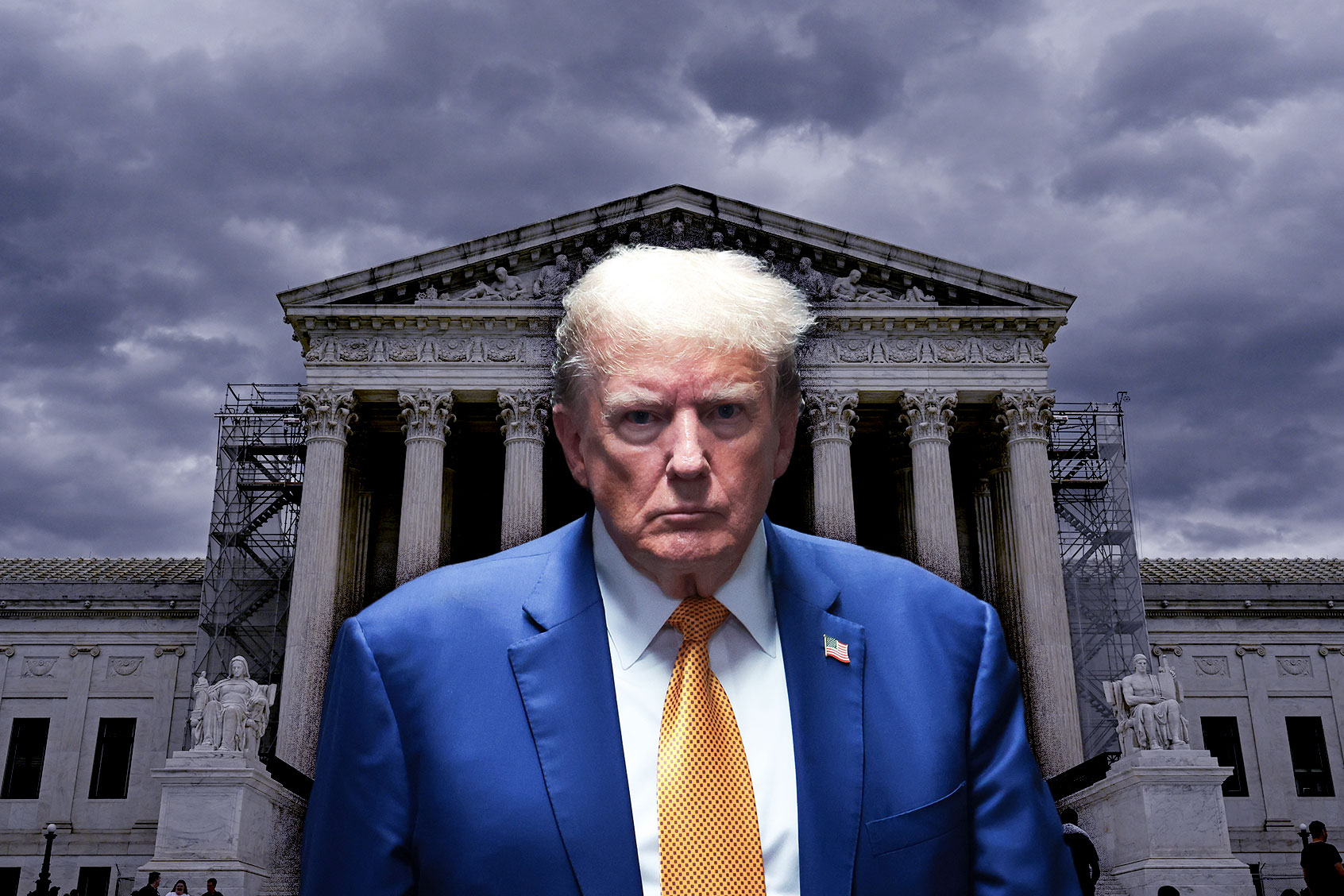
Cover image from salon.com, which was analyzed for this article
Recent SCOTUS decisions have helped convert earlier setbacks into policy victories for the administration on issues including presidential power and regulatory reach.
PoliticalOS
Thursday, July 9, 2026 — Politics
Recent rulings have increased presidential control over immigration enforcement and independent agencies while rejecting some tariff authority. The central unresolved question is how far the Court will extend limits on judicial review of executive actions in future terms.
What outlets missed
The 6-3 holding in Mullin v. Doe already expanded executive discretion over TPS terminations before Thomas’s concurrence. The Federalist article’s assertions about specific threshold impediments raised by Thomas and Gorsuch in the citizenship case lack confirmation in contemporaneous SCOTUSblog or other court reporting. Coverage rarely noted that the tariff loss rested on statutory interpretation rather than constitutional limits, leaving open future congressional action. Several outlets omitted the Federal Reserve carve-out in removal-power rulings.
The Supreme Court’s 2025–2026 term produced several rulings that strengthened the executive branch’s authority over immigration enforcement and agency oversight. In Mullin v. Doe, a 6-3 majority upheld the termination of temporary protected status for Haitian and Syrian nationals, limiting judicial review of such decisions. In Trump v. Slaughter, the Court allowed the president to remove heads of independent agencies at will, overturning a 91-year precedent. These outcomes reversed earlier losses from the first Trump term on similar issues.
Presidential power formed the term’s central tension. The Court rejected the administration’s tariff program in Learning Resources v. Trump on statutory grounds, with six justices including two Trump appointees holding that Congress had not delegated the authority. Justice Clarence Thomas dissented, arguing Congress could surrender tariff power without constitutional violation. In the TPS case, Thomas wrote separately that courts lack authority to examine presidential actions within his conclusive constitutional domain, a position the majority did not adopt.
Birthright citizenship challenges reached the Court in Trump v. Barbara. Chief Justice Roberts wrote a majority opinion interpreting the Fourteenth Amendment’s citizenship clause to require citizenship for those born on U.S. soil regardless of parents’ status. Dissenters argued procedural barriers should have prevented reaching the merits. The ruling preserved existing policy while inviting future statutory adjustments.
Additional decisions addressed removal power for most agencies while carving out an exception for the Federal Reserve, struck down certain gun restrictions under historical-tradition analysis, and limited nationwide injunctions from district courts. These holdings collectively shifted authority toward the executive and away from independent agencies and lower-court judges. Unverified claims in some coverage, such as specific procedural objections attributed to dissents in the citizenship case, could not be corroborated by other reporting.
More in Politics

Federal Agents Search Omar Home in Ongoing Immigration Probe
Homeland Security agents searched the Minnesota Democrat's DC residence in a criminal probe, prompting accusations of political intimidation from Omar and Democratic leaders. Coverage spans left-leaning outlets like NPR, BBC, and The Guardian alongside right-leaning criticism from The Federalist and Daily Wire.

Trump Diesel Import Plan Draws Pushback Over Russia Ties
The weekend agreement drew bipartisan congressional pushback and criticism from Ukraine's Zelenskyy, with analysts downplaying US fuel price impacts. Right-leaning outlets like National Review, Dispatch, and Washington Examiner questioned its legality and effectiveness.

Independents Test Voter Appetite for Middle Ground in 2026 Midterms
Nearly 200 independents are running in competitive races as voters weigh ballot measures on housing costs in states like Massachusetts. Left-leaning coverage from NYT, NPR, and Guardian highlights turnout and key races while right outlets focus on GOP strategy.
Trump Rallies in Alaska, Ohio to Bolster GOP Senate Candidates
The president rallied in Wasilla for Sen. Dan Sullivan and faced empty seats at an Ohio event amid midterm concerns. Outlets across the spectrum covered the trips as signals of GOP vulnerability weeks before Election Day.
The Compass
You just read five takes on one story.
What's your take? Find your political shape in a few minutes.
Take the test