
China Confirms 200 Boeing Jets After Trump-Xi Summit
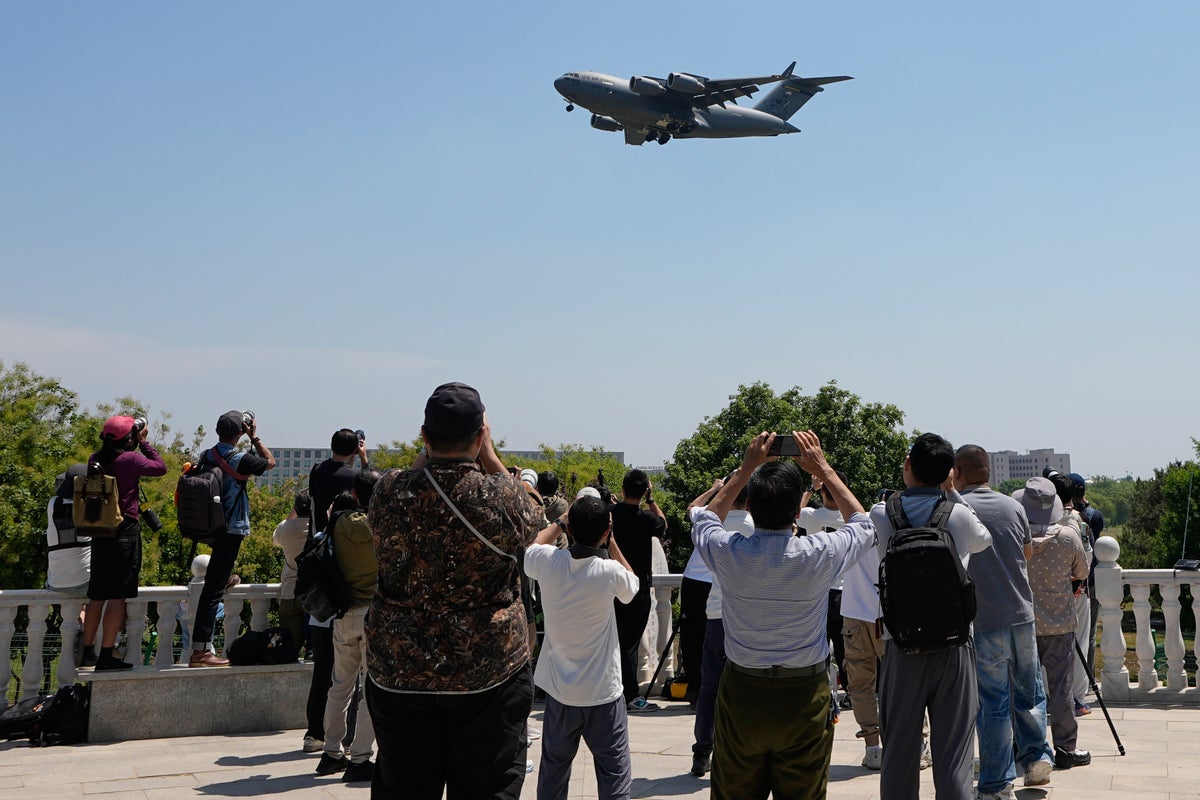
Cover image from independent.co.uk, which was analyzed for this article
China agreed to buy 200 new Boeing aircraft following President Trump's summit with Xi Jinping. The deal was highlighted as a key area of US-China cooperation amid broader trade talks.
PoliticalOS
Wednesday, May 20, 2026 — Business
The confirmed 200-plane order revives a major commercial link between the United States and China but leaves key details unresolved. Readers should watch whether follow-on orders materialize and whether the tariff truce extension produces measurable reductions in barriers.
What outlets missed
Neither outlet reported Boeing's 4.73 percent share-price decline on the announcement day or noted that the 200-plane figure exceeded the company's internal target of 150. Delivery timelines and specific aircraft models remain undisclosed in both accounts, leaving production and revenue implications unaddressed. The Independent omitted Washington state's supply-chain perspective while CNBC left out the analyst assessment that tariff cuts on $30 billion in goods would affect only about 10 percent of U.S. imports from China.
China's announcement that it will buy 200 Boeing aircraft signals a modest easing in one of the world's most consequential trade relationships. The commitment, issued by the commerce ministry after last week's Trump-Xi summit in Beijing, revives a commercial channel that had been largely closed for nearly a decade amid tariff disputes and security concerns.
The ministry tied the order to commercial needs and air-transport growth, without naming aircraft models or delivery schedules. President Trump, speaking afterward, said the total could eventually reach 750 planes and that the aircraft would use GE Aerospace engines, with the United States guaranteeing parts supply. Both governments also discussed extending a tariff truce set to expire in November and reducing barriers on roughly $30 billion in goods, though analysts noted the scale would have limited effect on overall GDP forecasts.
Additional elements of the package include Chinese purchases of at least $17 billion in U.S. agricultural products through 2028, Beijing's restoration of registration for eligible American beef exporters, and resumed imports of some U.S. poultry. The United States agreed to ease certain non-tariff barriers affecting Chinese dairy exports. A Washington state commerce official said further orders remain possible given Boeing's production backlog, while the company's shares fell 4.73 percent on the day of the announcement.
Aviation was described by Chinese officials as a key area for cooperation, yet the absence of confirmed timelines or specific variants leaves the deal's near-term revenue impact for Boeing and its suppliers uncertain. Negotiations on export controls, rare-earth minerals, and the broader truce extension are expected to continue in the months ahead.
More in Business & Economy

Major Banks Deliver Mixed Q3 Results on Trading Beats
JPMorgan, Goldman Sachs, Citigroup, and Wells Fargo reported Q3 figures, with revenue beats in trading but some estimate misses. CNBC provided live updates on the results and market reactions.

Oil Falls on Russian Diesel Outlook Despite Geopolitical Risks
Dow futures rose while Nasdaq faced pressure from tech weakness and elevated oil after geopolitical spikes. CNBC tracked premarket moves tied to earnings and Fed speeches.

Hall and Woodford Win Economics Nobel for Stabilization Models
American economists Robert E. Hall and Michael Woodford won the Nobel memorial prize for their research on managing economies through booms and busts, informing central bank policies on inflation and unemployment.

Skydance Closes Paramount-Warner Bros. Discovery Deal
The long-delayed media mega-merger cleared hurdles and began operations under Skydance, consolidating Hollywood power. Center and center-left outlets track the regulatory and business milestones.
The Compass
You just read five takes on one story.
What's your take? Find your political shape in a few minutes.
Take the test