
Both Parties Deploy Dark Money and Procedural Tricks in 2026 Midterms
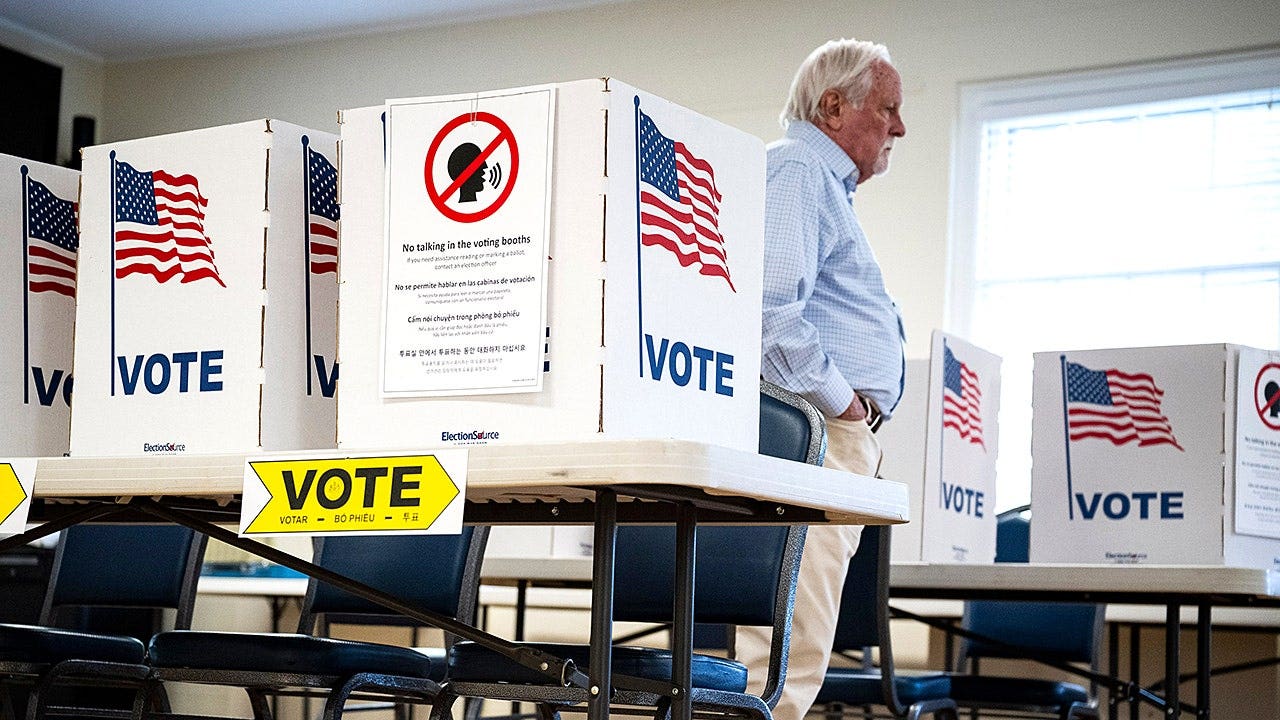
Cover image from foxnews.com, which was analyzed for this article
Anonymous donors are pouring over $1 billion into key contests, escalating undisclosed influence across parties. Left coverage focused on transparency failures while right outlets highlighted union and foreign influence probes.
PoliticalOS
Tuesday, September 1, 2026 — Politics
Both parties have used dark money vehicles and filing rules to shape primaries while accusing each other of doing the same. The investigations and counter-accusations leave the actual scale of undisclosed influence and any resulting legal consequences unresolved ahead of the midterms.
What outlets missed
Neither outlet examined the scale of spending across all disclosed super PACs or the specific dollar amounts routed through the deceptively named committees mentioned in the Fox reporting. The Guardian article did not include Republican statements defending the union investigations or excerpts from the American Accountability Foundation reports that prompted the House probe. Fox coverage omitted any detail on union disclosure requirements to the Department of Labor or the historical context of Republican positions on collective bargaining. No outlet addressed whether the independent candidate strategy in Nebraska and similar states produced measurable shifts in polling or voter registration data.
Voters in multiple states face a wave of hidden spending and procedural maneuvers that could tilt control of Congress without clear disclosure of who is paying. In Alaska, two candidates named Dan Sullivan are running for Senate under the state's top-four primary system, with Republicans accusing the challenger of entering to confuse voters and Democrats denying any coordination. The National Republican Senatorial Committee circulated polls showing Rep. Jasmine Crockett leading the Texas Democratic Senate primary, after which conservative groups ran ads highlighting her record that critics said aimed to boost her among Democratic voters. A network of Democratic donors and left-leaning super PACs spent more than $10 million supporting independent candidates in Republican-leaning states after Democratic nominees withdrew in Nebraska, Idaho and South Dakota. On the Republican side, Conservative Americans PAC routed millions through newly formed committees named Lead Left PAC, Real Change PAC and California Blue PAC to back weaker Democratic primary candidates, with disclosures delayed until after voting. House Republicans opened investigations into unions including the American Federation of Teachers and United Auto Workers after reports from the American Accountability Foundation and Freedom Foundation alleged improper use of member dues for political activity, claims the unions rejected as inaccurate. Separate probes examined fabricated polls released by Median Strategies on races in Los Angeles, Wisconsin and Nevada, and filing deadline maneuvers in Montana and Illinois that cleared paths for preferred successors. The central tension remains whether these tactics represent routine competition or an erosion of transparency that leaves voters unable to trace the sources of influence before Election Day.
More in Politics

Trump Defends Ramaswamy Ad Using Estranged Mother in Ohio Race
President Trump defended a GOP nominee's ad featuring a Democratic opponent's estranged mother, calling it powerful, while drawing criticism from some Republicans including Ohio Gov. Mike DeWine. The ad has sparked internal GOP tensions ahead of midterms.
Federal Raid Targets Omar Amid Unresolved Name and Marriage Allegations
Agents searched Rep. Ilhan Omar's DC residence over immigration fraud allegations; she called it bizarre. Reports and commentary questioned her birth name and past marriage details.

Supreme Court Upholds New Hampshire Student ID Voting Ban
The Supreme Court upheld New Hampshire's ban on student IDs as valid voter identification just before midterms, affecting a tight Senate race.
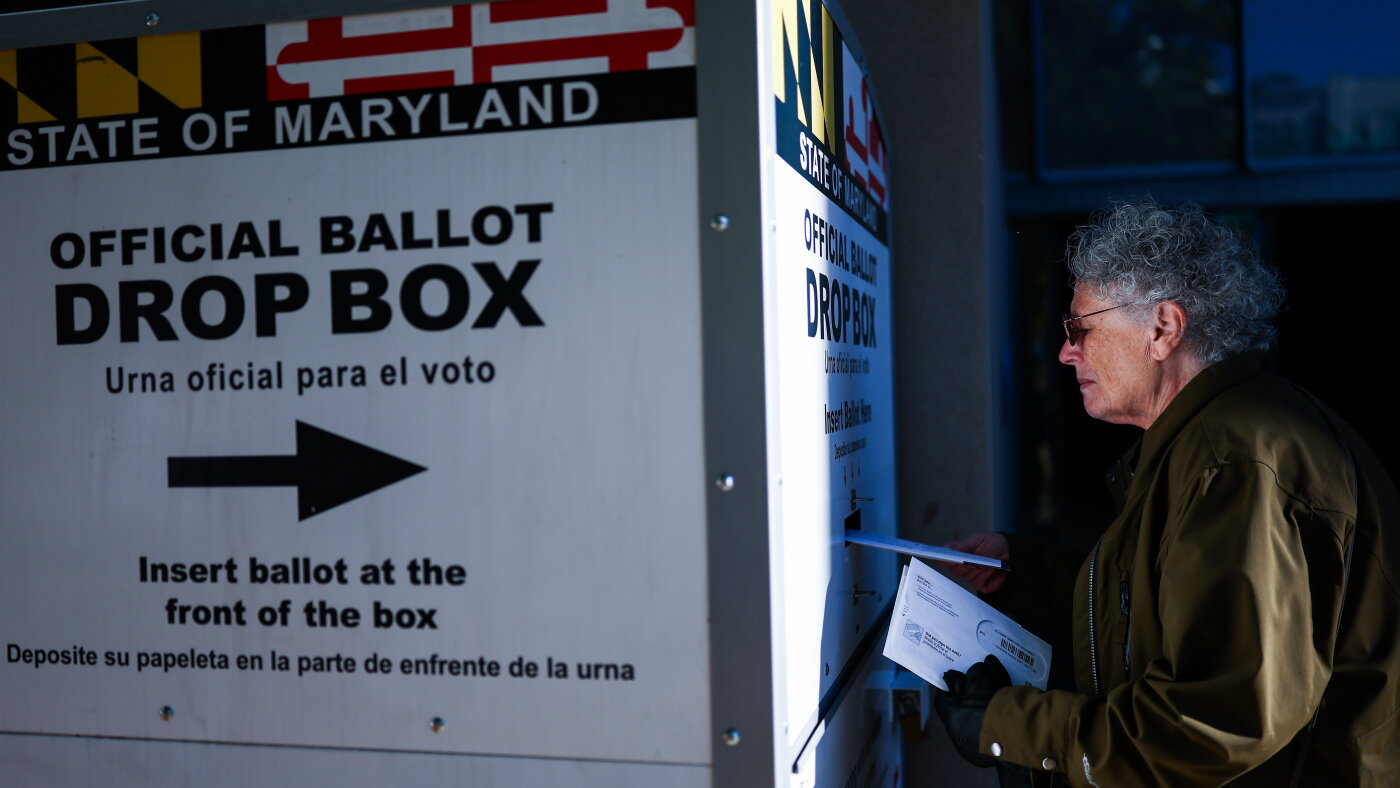
Early Voting Hits 21 Million as Most Trust Midterm Accuracy
Millions have already voted early as parties make final appeals amid $1.4 billion in ad spending; polls show confidence in election accuracy.
The Compass
You just read five takes on one story.
What's your take? Find your political shape in a few minutes.
Take the test