
Both Parties Deploy Dark Money and Procedural Tricks in 2026 Midterms
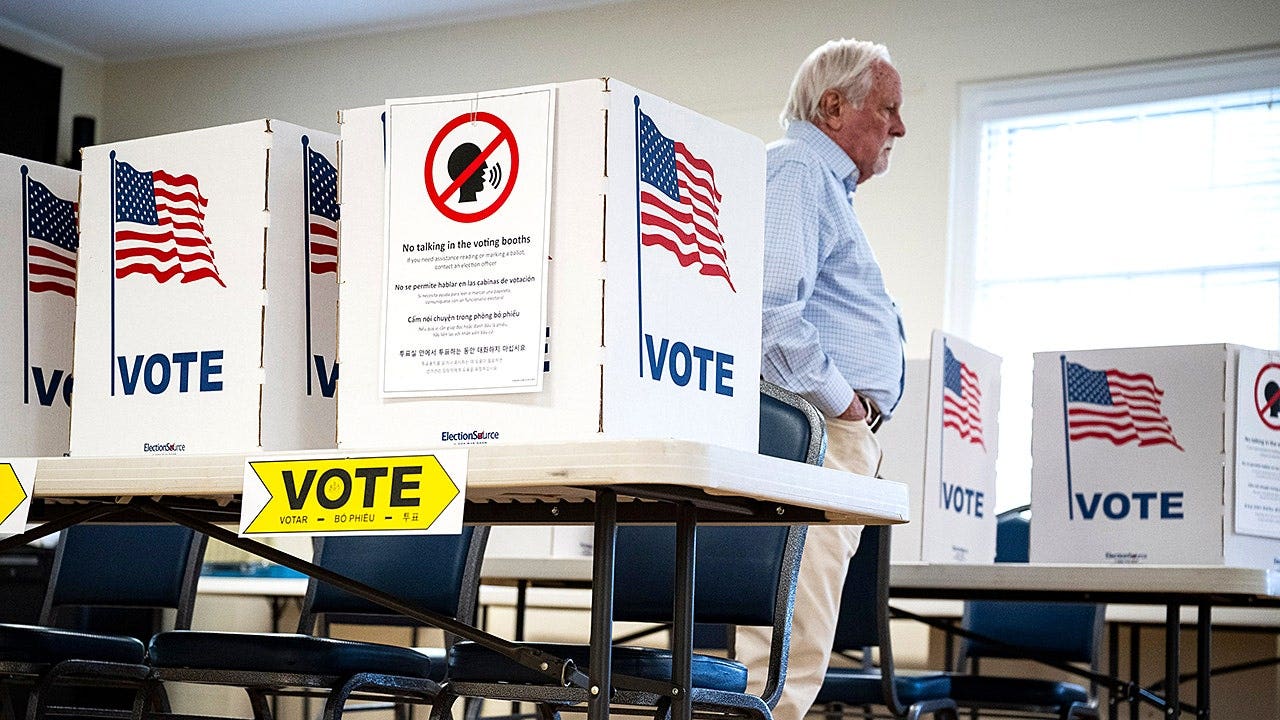
Cover image from foxnews.com, which was analyzed for this article
Anonymous donors are pouring over $1 billion into key contests, escalating undisclosed influence across parties. Left coverage focused on transparency failures while right outlets highlighted union and foreign influence probes.
PoliticalOS
Tuesday, September 1, 2026 — Politics
Both parties have used dark money vehicles and filing rules to shape primaries while accusing each other of doing the same. The investigations and counter-accusations leave the actual scale of undisclosed influence and any resulting legal consequences unresolved ahead of the midterms.
What outlets missed
Neither outlet examined the scale of spending across all disclosed super PACs or the specific dollar amounts routed through the deceptively named committees mentioned in the Fox reporting. The Guardian article did not include Republican statements defending the union investigations or excerpts from the American Accountability Foundation reports that prompted the House probe. Fox coverage omitted any detail on union disclosure requirements to the Department of Labor or the historical context of Republican positions on collective bargaining. No outlet addressed whether the independent candidate strategy in Nebraska and similar states produced measurable shifts in polling or voter registration data.
House Republicans Investigate Unions for Possible Illegal Campaign Funding
House Republicans on the Education and Workforce Committee have launched investigations into several major labor unions this summer, citing research from conservative nonprofits that alleges misuse of member dues for political activities. The probes target the American Federation of Teachers, United Auto Workers, United Steelworkers, and several railroad unions including the Smart Transportation Division, Brotherhood of Locomotive Engineers and Trainmen, and Brotherhood of Maintenance of Way Employees Division.
Federal law bars unions from using compulsory dues to fund candidates or political action committees directly. Members may contribute voluntarily to union PACs, but reports from the American Accountability Foundation and Freedom Foundation claim some unions have blurred these lines by channeling resources into Democratic causes and related lawsuits. The American Accountability Foundation, which has received support from groups like the Heritage Foundation, highlighted instances where unions backed legal challenges against prior administration policies on collective bargaining and criticized proposals to reform labor rules.
These inquiries arrive ahead of the 2026 midterms, when union political spending often surges. Unions maintain they operate within legal bounds by separating dues from voluntary political funds. Critics, however, point to patterns of coordinated advocacy that effectively advance partisan goals without clear member consent. Historical data shows union membership has declined steadily in the private sector over decades, coinciding with broader economic shifts toward flexible labor markets and individual bargaining.
The Freedom Foundation, a group focused on public sector unions, has long documented cases where workers faced pressure to support union political priorities. Its chairman has argued that organized labor frequently contributes to rigid workplace rules that raise costs and limit opportunity. Similar concerns appear in economic analyses showing how union contracts in certain industries correlate with slower job growth and higher barriers for new entrants.
Republicans frame the oversight as accountability for taxpayer-funded or regulated sectors where unions hold sway. Democrats counter that the timing reflects partisan strategy rather than new evidence. Past cycles have featured parallel accusations from both sides about opaque financing, including dark money flows and primary interference tactics.
Empirical reviews of union finances reveal heavy concentration of political contributions toward one party, often exceeding member preferences in surveys. This raises questions about whether compulsory dues function more as a political levy than a representation fee. Investigations could clarify compliance with disclosure rules and spending separation.
Broader midterm dynamics include efforts by both parties to shape candidate fields through funding vehicles and deadline maneuvers. In Alaska, for instance, multiple candidates sharing similar names have prompted claims of deliberate voter confusion. Such episodes underscore ongoing debates over transparency in election-related spending across interest groups.
Union defenders emphasize their role in wage negotiations and workplace standards. Yet long-term trends indicate private sector union density below 7 percent in recent years, suggesting many workers opt for non-union arrangements when given choice. The committee's work may examine whether political activities divert resources from core representation duties.
If evidence confirms improper funding, penalties could include fines or restrictions on future expenditures. Observers note that sustained scrutiny of all large political actors, including unions, aligns with principles of limited government and voluntary association rather than entrenched institutional power.
You just read Conservative's take. Want to read what actually happened?
More in Politics

Democrats Flip Senate, Expand House Majority in Midterms
Democrats flipped the Senate and expanded their House majority in a major rebuke to President Trump and Republicans. Key victories included multiple Senate seats and state-level wins that ended long-standing GOP dominance in places like Texas.

GOP Losses Spur Blame, Vance Distancing, 2028 Maneuvers
Republicans are pointing fingers internally after heavy losses, with Vice President JD Vance distancing himself from Trump over the Iran war and positioning for a potential 2028 run. Challengers within the party are already sensing opportunity.

Democrats Take House and Senate Amid Record Midterm Turnout
Democrats achieved decisive gains in the 2026 midterms, flipping seats to take control of both chambers. Coverage highlights historic turnout and implications for the Trump administration.
Democrats Take House and Senate, Constraining Trump
Democrats flipped both the House and Senate in a major rebuke to President Trump and Republicans. The results create divided government and set up battles over spending, oversight, and foreign policy for the remainder of Trump's term.
The Compass
You just read five takes on one story.
What's your take? Find your political shape in a few minutes.
Take the test