
Both Parties Deploy Dark Money and Procedural Tricks in 2026 Midterms
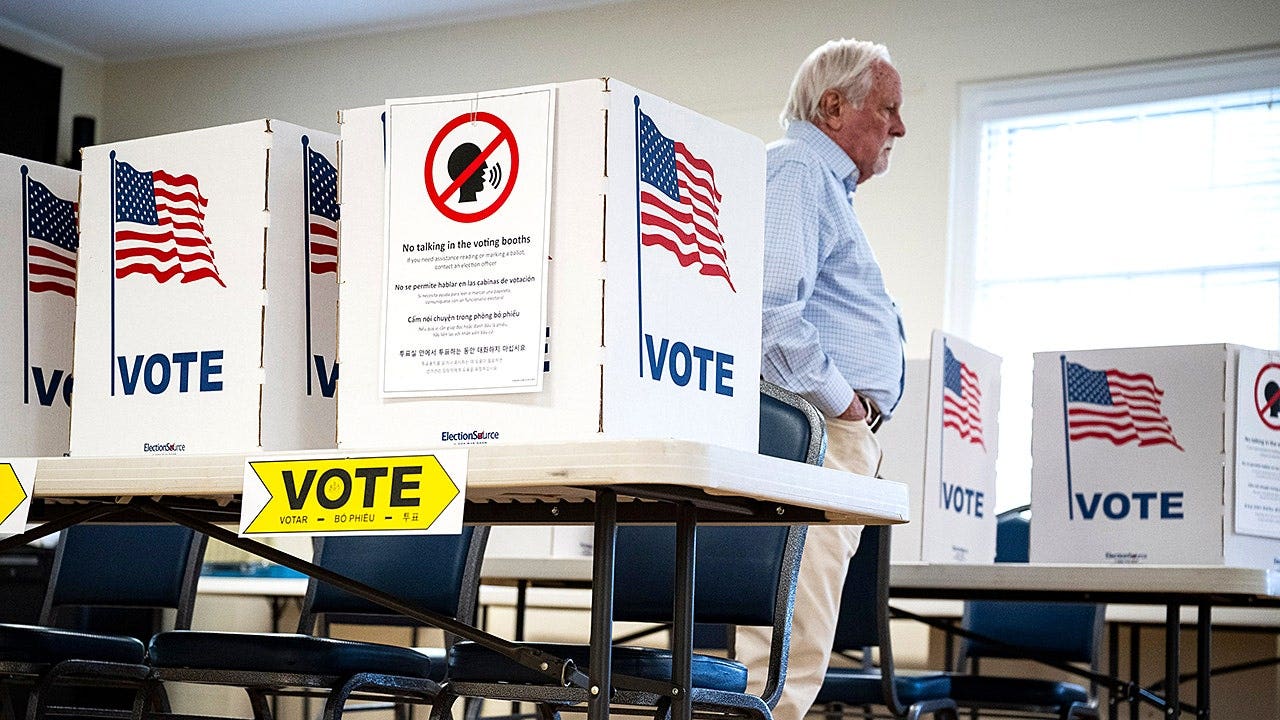
Cover image from foxnews.com, which was analyzed for this article
Anonymous donors are pouring over $1 billion into key contests, escalating undisclosed influence across parties. Left coverage focused on transparency failures while right outlets highlighted union and foreign influence probes.
PoliticalOS
Tuesday, September 1, 2026 — Politics
Both parties have used dark money vehicles and filing rules to shape primaries while accusing each other of doing the same. The investigations and counter-accusations leave the actual scale of undisclosed influence and any resulting legal consequences unresolved ahead of the midterms.
What outlets missed
Neither outlet examined the scale of spending across all disclosed super PACs or the specific dollar amounts routed through the deceptively named committees mentioned in the Fox reporting. The Guardian article did not include Republican statements defending the union investigations or excerpts from the American Accountability Foundation reports that prompted the House probe. Fox coverage omitted any detail on union disclosure requirements to the Department of Labor or the historical context of Republican positions on collective bargaining. No outlet addressed whether the independent candidate strategy in Nebraska and similar states produced measurable shifts in polling or voter registration data.
Republicans Open Probes Into Union Political Funding Ahead Of Midterms
House Republicans on the Education and Workforce Committee have launched investigations into several major labor unions over allegations that member dues are being funneled into Democratic political activities. The inquiries, which began this summer, target groups including the American Federation of Teachers, United Auto Workers, United Steelworkers, and rail unions such as the Brotherhood of Locomotive Engineers and Trainmen.
The scrutiny stems from reports by conservative research organizations documenting patterns of spending that appear to skirt federal rules. Unions may advocate on issues and collect voluntary contributions for political action committees, yet direct use of compulsory dues for candidate support or PACs is prohibited. Critics point to examples where union resources backed lawsuits against administration policies and public attacks on conservative policy blueprints like Project 2025, which seeks to strengthen worker choice and limit collective bargaining mandates.
Union leaders have dismissed the concerns as partisan theater timed for the 2026 elections. Yet the timing aligns with broader worries about opaque political money flowing through labor organizations that enjoy special legal protections. Workers in many states must pay dues to keep their jobs, creating a steady revenue stream that can indirectly influence races without clear disclosure.
This development fits into a larger pattern of election maneuvering documented across both parties. In Alaska, for instance, Democrats have been accused of fielding a candidate sharing the name of the incumbent Republican senator to confuse voters in a top-four primary system. Similar tactics involving dark-money committees and strategic filing deadlines have surfaced in other competitive districts, where operatives route funds through innocuously named groups to shape primaries or suppress turnout.
Labor unions have long positioned themselves as defenders of working Americans, yet their consistent alignment with one party's candidates and causes raises questions about whose interests they ultimately serve. Reports highlight how some unions criticized efforts to end certain collective bargaining arrangements or supported litigation that preserved union advantages at the expense of individual workers. The Freedom Foundation and similar groups have tracked these expenditures, arguing that the structure allows leadership to advance political agendas disconnected from rank-and-file priorities.
Republicans argue the investigations will clarify whether dues are being misused and restore accountability. Democrats counter that the probes amount to retaliation against organizations that oppose their agenda. Regardless, the disputes underscore how political spending rules continue to favor established institutions over ordinary contributors.
Voters in key states will decide control of Congress next year amid these overlapping controversies. The union probes add another layer to debates over transparency in campaign finance, especially when compulsory fees from workers help sustain one side's infrastructure. Lawmakers on both sides have incentives to police rival spending while shielding their own networks, yet sustained oversight of labor finances could expose whether the system truly serves employees or entrenched political machines.
You just read America First's take. Want to read what actually happened?
More in Politics
Democrats Flip Senate, Expand House Majority in Midterms
Democrats flipped the Senate and expanded their House majority in a major rebuke to President Trump and Republicans. Key victories included multiple Senate seats and state-level wins that ended long-standing GOP dominance in places like Texas.
GOP Losses Spur Blame, Vance Distancing, 2028 Maneuvers
Republicans are pointing fingers internally after heavy losses, with Vice President JD Vance distancing himself from Trump over the Iran war and positioning for a potential 2028 run. Challengers within the party are already sensing opportunity.
Democrats Take House and Senate Amid Record Midterm Turnout
Democrats achieved decisive gains in the 2026 midterms, flipping seats to take control of both chambers. Coverage highlights historic turnout and implications for the Trump administration.
Democrats Take House and Senate, Constraining Trump
Democrats flipped both the House and Senate in a major rebuke to President Trump and Republicans. The results create divided government and set up battles over spending, oversight, and foreign policy for the remainder of Trump's term.
The Compass
You just read five takes on one story.
What's your take? Find your political shape in a few minutes.
Take the test