
Both Parties Deploy Dark Money and Procedural Tricks in 2026 Midterms
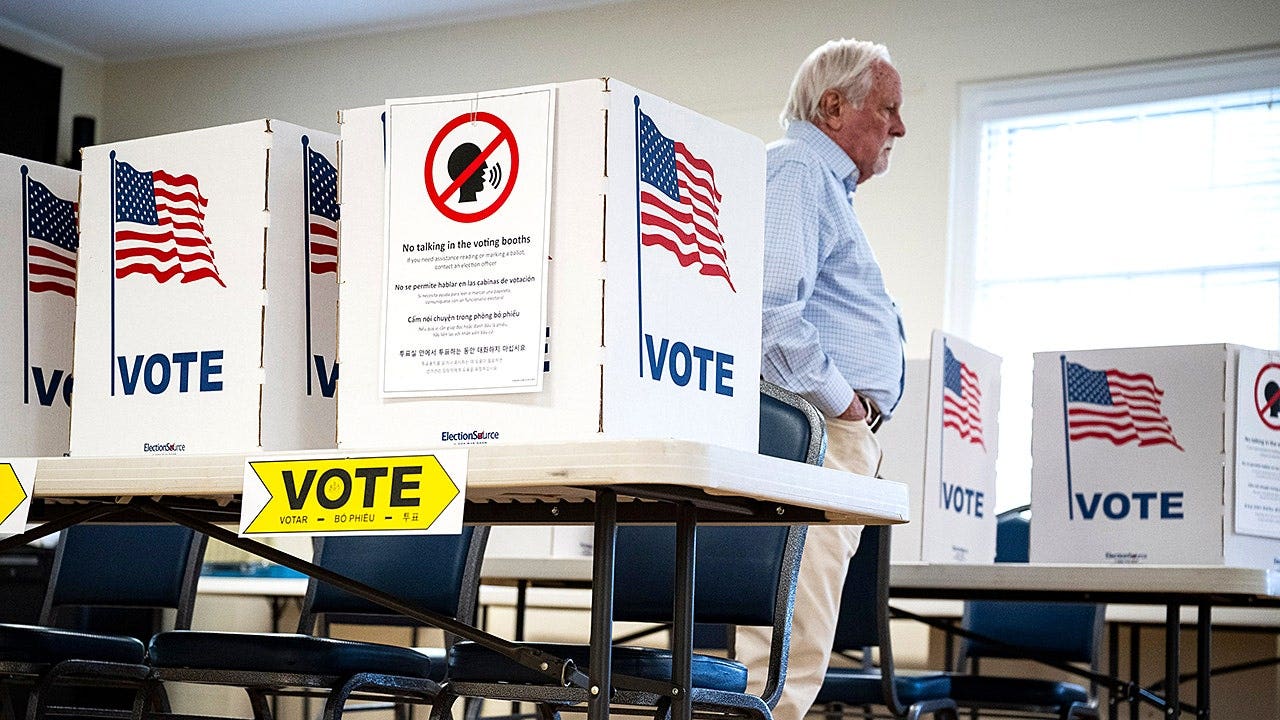
Cover image from foxnews.com, which was analyzed for this article
Anonymous donors are pouring over $1 billion into key contests, escalating undisclosed influence across parties. Left coverage focused on transparency failures while right outlets highlighted union and foreign influence probes.
PoliticalOS
Tuesday, September 1, 2026 — Politics
Both parties have used dark money vehicles and filing rules to shape primaries while accusing each other of doing the same. The investigations and counter-accusations leave the actual scale of undisclosed influence and any resulting legal consequences unresolved ahead of the midterms.
What outlets missed
Neither outlet examined the scale of spending across all disclosed super PACs or the specific dollar amounts routed through the deceptively named committees mentioned in the Fox reporting. The Guardian article did not include Republican statements defending the union investigations or excerpts from the American Accountability Foundation reports that prompted the House probe. Fox coverage omitted any detail on union disclosure requirements to the Department of Labor or the historical context of Republican positions on collective bargaining. No outlet addressed whether the independent candidate strategy in Nebraska and similar states produced measurable shifts in polling or voter registration data.
House Republicans Launch Investigations Into Major Labor Unions Before Midterms
House Republicans on the Education and Workforce Committee opened formal inquiries this summer into at least six labor unions, citing research from two conservative organizations that allege improper use of member dues for political activity. The targets include the American Federation of Teachers, United Auto Workers, United Steelworkers, and three railroad unions affiliated with the Teamsters: the Smart Transportation Division, the Brotherhood of Locomotive Engineers and Trainmen, and the Brotherhood of Maintenance of Way Employees Division.
The committee’s actions follow reports issued by the American Accountability Foundation and the Freedom Foundation. The American Accountability Foundation describes itself as a nonprofit focused on government accountability and has received support from the Heritage Foundation, a key architect of Project 2025. The Freedom Foundation has long advocated for right-to-work laws and other measures that limit union financial and political power. Both groups contend that unions have channeled dues into Democratic-aligned causes in ways that skirt federal restrictions. Federal law already bars unions from using compulsory dues for direct candidate contributions or independent expenditures, though members may voluntarily contribute to union political action committees.
Committee documents reference specific union actions, such as the Brotherhood of Locomotive Engineers and Trainmen’s support for a United Auto Workers lawsuit challenging Trump-era limits on collective bargaining and its public criticism of Project 2025 proposals that would narrow bargaining rights. Investigators have requested financial records, communications, and details on how dues are allocated between representational and political functions.
Labor unions maintain that the probes rest on selective readings of public filings and ignore legal distinctions between dues and voluntary contributions. They note that political spending by unions has remained within established boundaries for decades, subject to disclosure rules and oversight by the Department of Labor and the Federal Election Commission. Union officials also point out that the timing coincides with the approach of the 2026 midterms, when control of Congress will be decided in districts where organized labor retains significant membership and turnout operations.
The investigations arrive against a backdrop of sustained Republican efforts to constrain union influence. Project 2025 outlines several policy changes that would expand state right-to-work statutes, limit public-sector bargaining, and alter how unions collect and spend resources. Critics of the current probes argue that congressional oversight is being used to generate negative headlines and impose compliance costs on organizations that reliably support Democratic candidates and turnout efforts.
Data from the Federal Election Commission shows that union political action committees have directed the large majority of their contributions to Democratic candidates in recent cycles, a pattern that has held across multiple administrations. At the same time, total union membership as a share of the private-sector workforce has continued its long-term decline, dropping below 6 percent in the most recent Bureau of Labor Statistics figures. Public-sector unions remain larger but face their own legal and fiscal pressures in many states.
The committee has not yet announced public hearings or referrals to the Justice Department. Union representatives have indicated they will comply with document requests while disputing the premise that routine political advocacy constitutes misuse of funds. The episode illustrates how nonprofit research organizations can shape congressional agendas and how those agendas can intersect with electoral calendars, even when the underlying legal standards governing union spending have not changed.
You just read Liberal's take. Want to read what actually happened?
More in Politics

Democrats Flip Senate, Expand House Majority in Midterms
Democrats flipped the Senate and expanded their House majority in a major rebuke to President Trump and Republicans. Key victories included multiple Senate seats and state-level wins that ended long-standing GOP dominance in places like Texas.

GOP Losses Spur Blame, Vance Distancing, 2028 Maneuvers
Republicans are pointing fingers internally after heavy losses, with Vice President JD Vance distancing himself from Trump over the Iran war and positioning for a potential 2028 run. Challengers within the party are already sensing opportunity.

Democrats Take House and Senate Amid Record Midterm Turnout
Democrats achieved decisive gains in the 2026 midterms, flipping seats to take control of both chambers. Coverage highlights historic turnout and implications for the Trump administration.
Democrats Take House and Senate, Constraining Trump
Democrats flipped both the House and Senate in a major rebuke to President Trump and Republicans. The results create divided government and set up battles over spending, oversight, and foreign policy for the remainder of Trump's term.
The Compass
You just read five takes on one story.
What's your take? Find your political shape in a few minutes.
Take the test