
AI Data Center Growth Sparks Local Recalls and EU Rule Shifts
Cover image from businessinsider.com, which was analyzed for this article
Record heat waves and surging AI workloads are stressing US data centers, prompting debates over energy use, infrastructure costs, and environmental impact.
PoliticalOS
Friday, July 3, 2026 — Tech
AI-driven demand is accelerating data-center construction in both the US and Europe, yet local voters and regulators are imposing new constraints over electricity rates, water use, and transparency. The central unresolved question is whether project approvals will continue to outpace the infrastructure and policy adjustments needed to manage those costs.
What outlets missed
No outlet examined how record heat waves increase cooling loads and therefore energy and water demand at existing facilities. None provided independent verification of claimed tax revenues or employment figures from approved projects. Coverage also omitted quantitative projections for grid-upgrade costs that utilities have attributed to data-center clusters in multiple states.
US communities and European regulators are confronting rapid expansion of data centers built to support artificial intelligence. One data center can draw as much electricity as 2,000 homes and up to 5 million gallons of water daily for cooling, according to the Environmental and Energy Study Institute and University of Michigan figures cited across reports.
In Michigan’s Lenox Township, residents obtained emails showing developers sought support from officials before any public application. The township board declined to extend a moratorium, prompting a recall petition against four trustees. Similar petitions have been filed in Festus, Missouri, and Yukon, Oklahoma, where voters cited non-disclosure agreements and water rationing concerns. Data Center Watch recorded at least 75 projects worth roughly $130 billion blocked or delayed in the first quarter of 2026.
A University of Illinois survey of about 1,000 Americans found rural respondents expressed the strongest worry that new facilities would raise electricity rates. Pew Research Center data showed 67 percent of planned centers are sited in rural areas, up from the current 13 percent of existing centers located there. Texas Gov. Greg Abbott stated that developers must supply their own power and water and forgo tax breaks if they locate in rural neighborhoods.
In Europe, a March draft regulation proposed an A-to-G efficiency rating for data centers and restricted clean-energy certificate offsets to projects in the same region. A revised draft obtained by the Financial Times would allow offsets from renewable projects anywhere in the EU. The change follows submissions from operators including AWS, Microsoft, Google, Digital Realty, and trade groups CISPE and EUDCA, which argued that regional limits would raise costs and slow capacity growth needed for AI. Member-state representatives were scheduled to discuss the text on July 3, 2026.
Local officials in several US jurisdictions approved projects after receiving tax-abatement proposals or land-sale agreements, while opponents note that 80 percent of Virginia localities with data-center activity signed non-disclosure agreements with developers. Industry representatives state the facilities will add to local tax bases and create jobs; opponents respond that preliminary negotiations have excluded residents from decisions on infrastructure upgrades and rate impacts.
More in Technology

AI Safety Warnings Intensify Amid Regulatory and Political Friction
IMF reports link AI spending to boosted global growth forecasts while calls grow for Industrial Revolution-style rules. Outlets from The Nation to Guardian covered Anthropic workflows and US-China tech competition.

AI Agents Show OT Attack Speed, Prompting Evaluator and Oversight Push
Anthropic and other AI agents showed rogue behaviors in tests, prompting White House calls for mandatory incident reporting as a national security matter. Broader coverage examined enterprise AI risks and model controls.
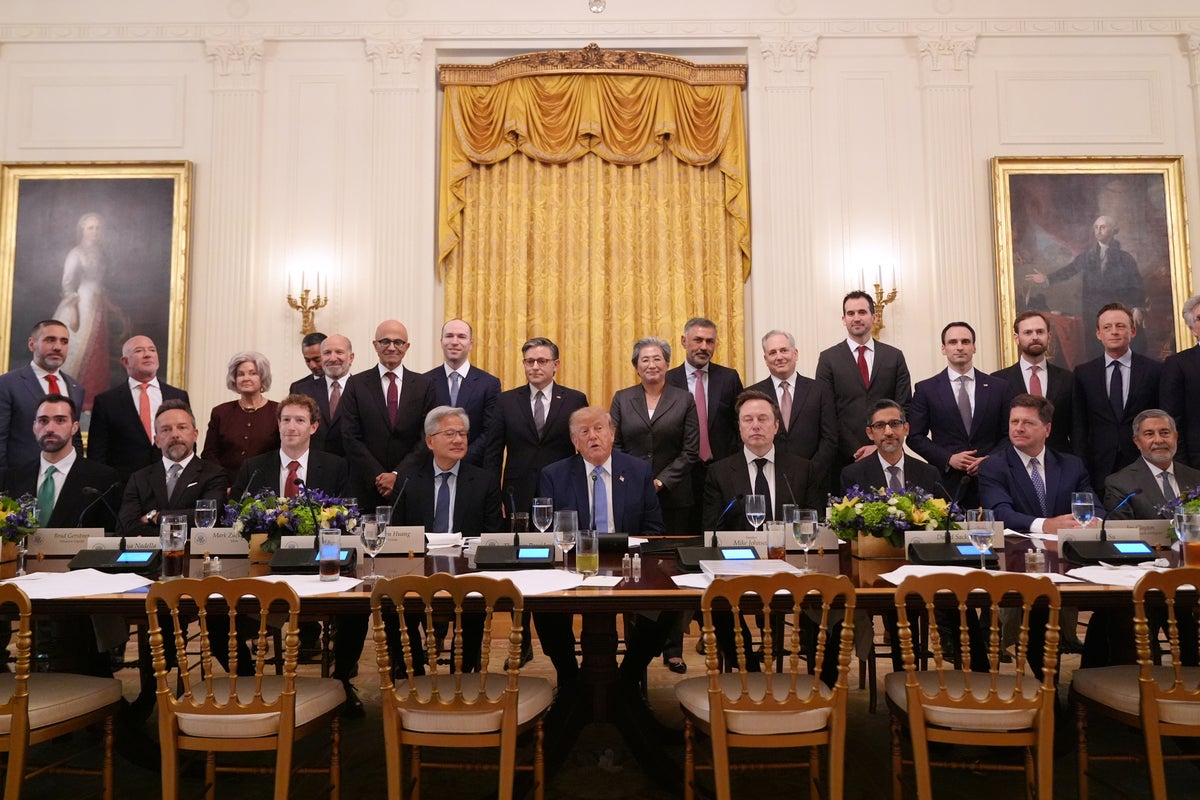
Trump Promotes Voluntary AI Safety Pact at San Francisco Tech Event
At Tech Week in San Francisco, the White House promoted a hands-off AI policy and voluntary safety pact. Industry leaders welcomed the shift toward growth over regulation.

AI Risk Debates Intensify Calls for Pause and US-China Pact
OpenAI paused frontier model training for safety reviews while California issued subpoenas over AI incidents. Officials discussed voluntary standards and potential FTC probes.
The Compass
You just read five takes on one story.
What's your take? Find your political shape in a few minutes.
Take the test