
Voter Backlash Over AI Data Centers Reshapes Midterm Races
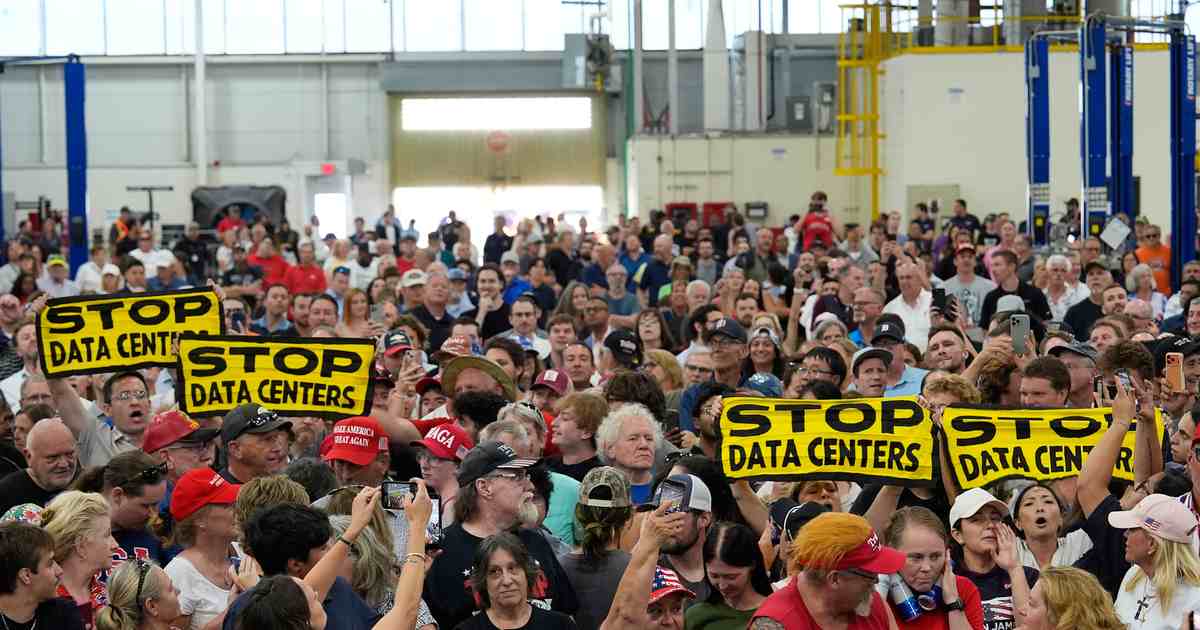
Cover image from townhall.com, which was analyzed for this article
Voter opposition to data centers, driven by AI energy demands, is pressuring candidates from both parties in key races. Industry leaders warn it could become a lasting political crisis.
PoliticalOS
Monday, August 24, 2026 — Politics
Voters are forcing both parties to reconcile rapid AI infrastructure growth with concrete local burdens on power and water. The central unresolved question is whether states can impose meaningful guardrails without surrendering global AI leadership to competitors.
What outlets missed
Meta’s Richland Parish project is projected to create 1,000 permanent jobs and generate over $1.6 billion in local contracts, figures absent from most coverage. Federal tallies confirm U.S. data centers already consume 4.4 percent of national electricity, contradicting assertions that impacts are negligible. The Salon article addressed an unrelated border-wall dispute in Big Bend rather than data centers, leaving readers without any relevant information on the stated topic. No outlet examined whether distributed or quantum computing alternatives could reduce the need for hyperscale facilities.
Texas Republicans Face Backlash Over Trump Border Wall Plans in Big Bend
Texas Republicans accustomed to dominating border politics now find themselves navigating a tight spot after the Trump administration began construction on a 30-foot wall through Big Bend National Park. The project has sparked widespread local opposition in West Texas, forcing even staunch Trump allies to choose their words with care while welcoming a temporary pause in the work.
The backlash centers on plans to carve roads and barriers through the remote parkland along the Rio Grande. Contractors started work earlier this month near Santa Elena Canyon, drawing immediate criticism from residents, environmental groups and some business owners who rely on tourism in the area. The move comes despite longstanding Republican emphasis on border enforcement, yet the specific tactics have collided with concerns over preserving one of the state's most iconic natural areas.
Ken Paxton, the Republican Senate nominee and longtime Trump supporter, issued a statement calling the administration's approach "not smart border security." The remark stands out as an unusual departure for Paxton, who has otherwise aligned closely with White House priorities. Other GOP figures, including Sen. Ted Cruz, expressed relief at the construction halt without directly challenging the president. The careful phrasing reflects the political bind: crossing Trump risks primary challenges, while ignoring constituent anger over the project could hurt in November.
Local reactions have been swift and bipartisan in pockets of the region. West Texas communities have voiced frustration over potential damage to the park's fragile ecosystem and its appeal as a draw for visitors. The area has long been promoted by state leaders as a jewel of Texas tourism, yet federal plans appear to prioritize rapid barrier installation over those considerations. Similar tensions have surfaced in debates over other large-scale developments, where rapid expansion raises questions about resource strain and community input.
Federal officials announced the pause this week amid the growing outcry, allowing time for review. Republicans have pointed to the decision as evidence of responsiveness, though they stop short of endorsing changes to the overall border strategy. The episode underscores how national directives can clash with on-the-ground realities in a state where GOP candidates have built careers on tough immigration stances.
Critics argue the project risks unnecessary environmental harm without delivering proportional security gains. Past border wall segments elsewhere have faced lawsuits and engineering setbacks, adding to skepticism about the Big Bend route. For Texas Republicans eyeing higher office or reelection, the episode serves as a reminder that border politics can shift when specific proposals affect treasured local sites. The coming weeks will test whether the pause leads to adjustments or simply delays the confrontation with voters already voicing discontent.
You just read Progressive's take. Want to read what actually happened?
More in Politics
Democrats Flip Senate, Expand House Majority in Midterms
Democrats flipped the Senate and expanded their House majority in a major rebuke to President Trump and Republicans. Key victories included multiple Senate seats and state-level wins that ended long-standing GOP dominance in places like Texas.
GOP Losses Spur Blame, Vance Distancing, 2028 Maneuvers
Republicans are pointing fingers internally after heavy losses, with Vice President JD Vance distancing himself from Trump over the Iran war and positioning for a potential 2028 run. Challengers within the party are already sensing opportunity.
Democrats Take House and Senate Amid Record Midterm Turnout
Democrats achieved decisive gains in the 2026 midterms, flipping seats to take control of both chambers. Coverage highlights historic turnout and implications for the Trump administration.
Democrats Take House and Senate, Constraining Trump
Democrats flipped both the House and Senate in a major rebuke to President Trump and Republicans. The results create divided government and set up battles over spending, oversight, and foreign policy for the remainder of Trump's term.
The Compass
You just read five takes on one story.
What's your take? Find your political shape in a few minutes.
Take the test