
Data Center Backlash Reshapes Both Parties' Midterm Ads
Cover image from npr.org, which was analyzed for this article
Voters express frustration with energy-hungry data centers, influencing both parties' midterm strategies. Bipartisan political angles covered widely.
PoliticalOS
Saturday, September 5, 2026 — Politics
Public opposition to data centers has created a rare point of rhetorical overlap between the two parties in competitive 2026 races. Candidates are spending tens of millions to promise protection from higher utility bills, yet the underlying questions of siting, cost allocation, and long-term energy demand remain unaddressed in the advertising.
What outlets missed
Neither outlet examined specific proposed data-center projects or their permitting status in the states where ads are running. The Sun-Times piece supplied no data on actual electricity-rate increases or water usage tied to existing facilities. The NPR report did not address how local zoning boards or utility regulators are responding to the same public pressure that candidates are citing in ads.
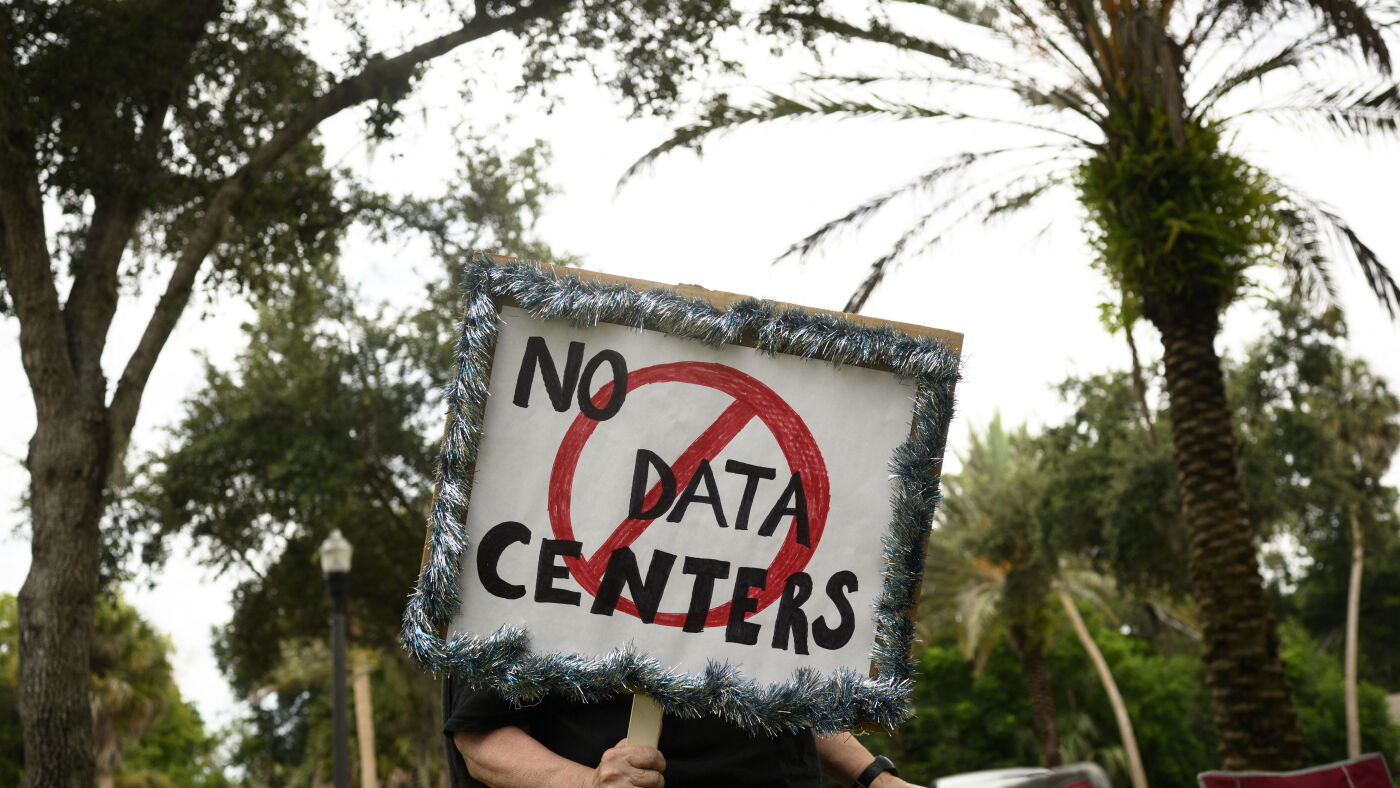
Voters in multiple states are pushing back against the rapid expansion of data centers, citing higher electricity rates and strain on local resources. That frustration has become a campaign weapon in 2026 races, with both Republicans and Democrats spending heavily to promise relief from the facilities that power artificial intelligence.
An AdImpact analysis tracked more than $45 million in ads mentioning data centers from January through August, split nearly evenly between the two parties. Democrats aired 127 such spots while Republicans ran 67, with the heaviest concentration in competitive gubernatorial contests in Georgia and Wisconsin. A Reuters/Ipsos poll released in June found 77 percent of Americans concerned about rising power costs and two-thirds of Democrats plus half of Republicans opposed to a new data center in their community.
The shared message centers on tax breaks and utility bills. A Believe in Wisconsin PAC ad for Democratic nominee David Crowley pledged to stop data centers from driving energy costs higher. Florida Republican Byron Donalds ran spots vowing a ratepayer protection plan. Similar themes appeared in Iowa and Kansas. An internal National Republican Senatorial Committee memo obtained by NPR described data centers as a "sleeper issue" and warned that a loss by Ohio Republican Jon Husted could make candidates nationwide wary of the industry.
Local sentiment in Chicago reflects the same divide. Reader comments collected by the Sun-Times ranged from calls for self-funded power and strict environmental rules to outright rejection over risks to the Great Lakes and wildlife. One submission demanded data centers locate only in neighborhoods where median home prices exceed $3 million. Another warned that natural resources are already scarce.
Republican candidates have traditionally favored business growth, yet several are now distancing themselves from past support. Husted, who promoted data centers as lieutenant governor, now backs legislation to shield ratepayers. President Trump has continued urging states to proceed with construction while acknowledging the need for better public relations. The tension between national economic goals and local cost concerns remains unresolved in the final weeks of the campaign.
More in Politics
Trump Bars CNN, MSNBC, Politico; Outlets Sue Over Access
President Trump barred CNN, MS NOW, and Politico from White House access over disputed coverage, prompting the outlets to notify the administration of a planned First Amendment lawsuit. Multiple outlets across the spectrum reported on the escalating conflict between the administration and major media organizations.

ICE Shoots Venezuelan DoorDash Driver in Austin Traffic Stop
An ICE officer shot and wounded a Venezuelan man during an enforcement operation in Austin amid ongoing protests against deportation policies. Coverage highlighted the incident as part of intensified immigration enforcement under the Trump administration.

Tight Midterm Races Test Party Control With 43 Days Left
Democrats and Republicans are locked in tight contests for Senate control with 43 days until the midterms, as candidates navigate Trump-era issues and voter fatigue with past election claims. Fundraising, candidate quality, and state-level dynamics are shaping the battle for Congress.

Trump, Xi to Consider AI Safety Alerts and Trade Truce Extension
President Trump is set to host Chinese leader Xi Jinping this week amid ongoing trade, tariff, and security discussions, including signals on non-strategic goods and farm purchases. The meeting comes as both sides manage broader geopolitical tensions.
The Compass
You just read five takes on one story.
What's your take? Find your political shape in a few minutes.
Take the test