
Data Center Backlash Reshapes Both Parties' Midterm Ads
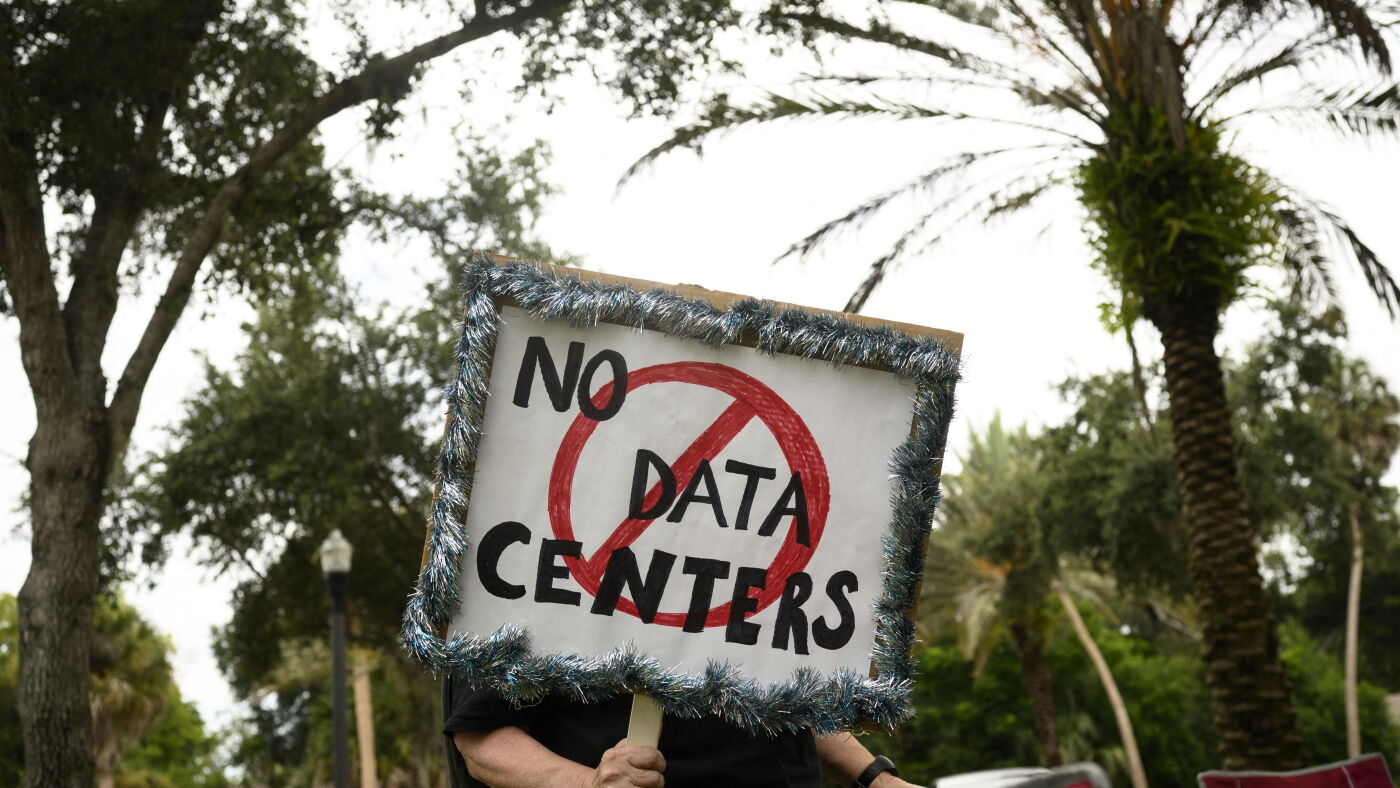
Cover image from npr.org, which was analyzed for this article
Voters express frustration with energy-hungry data centers, influencing both parties' midterm strategies. Bipartisan political angles covered widely.
PoliticalOS
Saturday, September 5, 2026 — Politics
Public opposition to data centers has created a rare point of rhetorical overlap between the two parties in competitive 2026 races. Candidates are spending tens of millions to promise protection from higher utility bills, yet the underlying questions of siting, cost allocation, and long-term energy demand remain unaddressed in the advertising.
What outlets missed
Neither outlet examined specific proposed data-center projects or their permitting status in the states where ads are running. The Sun-Times piece supplied no data on actual electricity-rate increases or water usage tied to existing facilities. The NPR report did not address how local zoning boards or utility regulators are responding to the same public pressure that candidates are citing in ads.
Data Center Backlash Spurs Millions in Midterm Ad Spending
Campaigns and outside groups have poured more than $45 million into political advertisements targeting data centers since January, according to an analysis of AdImpact data, with spending split nearly evenly between Republican and Democratic efforts. The facilities, which support the growing demands of artificial intelligence, have drawn criticism over tax incentives, rising electricity costs, and local impacts in states including Georgia, Iowa, Wisconsin, and Michigan.
Both parties frame data centers as beneficiaries of excessive government favors. Ads argue that property tax abatements and other breaks shift burdens onto residents while power demand pushes up utility rates. Spending reached 164 mentions in August alone, up from a handful in January, as competitive races heat up. Democrats aired nearly twice as many spots as Republicans across more states, though total dollars tracked closely at roughly $21 million for Democrats and $22 million for Republicans.
Reader responses in Chicago illustrate the local tensions. Some residents insist facilities should generate their own power, forgo all subsidies, and face strict limits on water and emissions. Others warn of effects on the Great Lakes, property values, and wildlife. A minority note the need to keep pace with technological demands, provided infrastructure concerns are met without passing costs to taxpayers or ratepayers.
From a market perspective, these complaints often trace back to policy distortions rather than the centers themselves. Tax breaks represent classic corporate welfare that shields large users from the full price of resources they consume. When governments intervene with incentives, they encourage overbuilding in certain areas and insulate operators from signals that would otherwise direct investment toward efficiency or alternative sites. Electricity price spikes, meanwhile, reflect regulatory constraints on supply more than raw demand from data centers. States with restrictive permitting and outdated generation rules face shortages regardless of who uses the power.
Data centers deliver measurable economic value through jobs in construction, maintenance, and supporting industries, plus the broader productivity gains from faster computing and AI applications. Historical patterns show technological infrastructure eventually expands capacity and lowers relative costs, as occurred with railroads, highways, and early internet networks. Opposition that blocks projects outright risks slowing those gains, particularly when framed around scarcity without accounting for human ingenuity in developing new energy sources.
Both parties' rush to attack the facilities in ads suggests electoral opportunism over consistent principles. Republicans and Democrats alike court voters by promising to curb incentives, yet neither side consistently applies the same scrutiny to other subsidized sectors. Genuine reform would mean ending selective tax treatments altogether, allowing market prices to allocate land, power, and capital without favoritism. Local input on zoning remains valid through property rights, but widespread ratepayer protections already exist via utility regulation. Additional layers of environmental mandates often raise barriers that favor incumbents and slow innovation.
The pattern of rising ad volume ahead of the midterms shows how concentrated interests and diffuse voter frustrations can align politically. Absent changes to the underlying incentives, the same debates will recur wherever large-scale computing facilities seek sites.
You just read Conservative's take. Want to read what actually happened?
More in Politics
Democrats Flip Senate, Expand House Majority in Midterms
Democrats flipped the Senate and expanded their House majority in a major rebuke to President Trump and Republicans. Key victories included multiple Senate seats and state-level wins that ended long-standing GOP dominance in places like Texas.
GOP Losses Spur Blame, Vance Distancing, 2028 Maneuvers
Republicans are pointing fingers internally after heavy losses, with Vice President JD Vance distancing himself from Trump over the Iran war and positioning for a potential 2028 run. Challengers within the party are already sensing opportunity.
Democrats Take House and Senate Amid Record Midterm Turnout
Democrats achieved decisive gains in the 2026 midterms, flipping seats to take control of both chambers. Coverage highlights historic turnout and implications for the Trump administration.
Democrats Take House and Senate, Constraining Trump
Democrats flipped both the House and Senate in a major rebuke to President Trump and Republicans. The results create divided government and set up battles over spending, oversight, and foreign policy for the remainder of Trump's term.
The Compass
You just read five takes on one story.
What's your take? Find your political shape in a few minutes.
Take the test