
Data Center Backlash Reshapes Both Parties' Midterm Ads
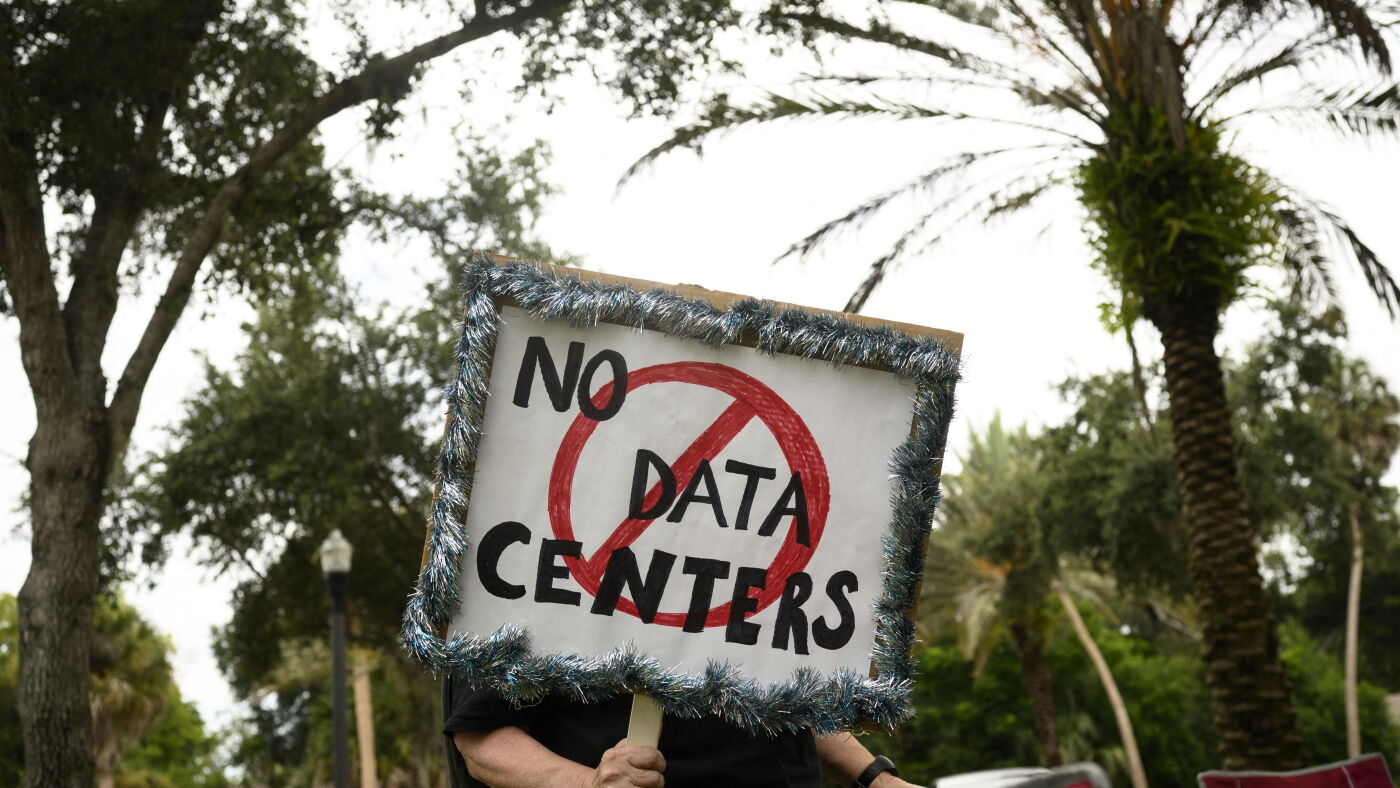
Cover image from npr.org, which was analyzed for this article
Voters express frustration with energy-hungry data centers, influencing both parties' midterm strategies. Bipartisan political angles covered widely.
PoliticalOS
Saturday, September 5, 2026 — Politics
Public opposition to data centers has created a rare point of rhetorical overlap between the two parties in competitive 2026 races. Candidates are spending tens of millions to promise protection from higher utility bills, yet the underlying questions of siting, cost allocation, and long-term energy demand remain unaddressed in the advertising.
What outlets missed
Neither outlet examined specific proposed data-center projects or their permitting status in the states where ads are running. The Sun-Times piece supplied no data on actual electricity-rate increases or water usage tied to existing facilities. The NPR report did not address how local zoning boards or utility regulators are responding to the same public pressure that candidates are citing in ads.
Voters Across America Push Back on Data Center Expansion Fueling AI
Both Republicans and Democrats are flooding the airwaves with ads slamming data centers as the culprit behind rising electricity costs and corporate giveaways, with more than $45 million spent on such messaging since January according to campaign tracking data. The facilities, which power the artificial intelligence push, have drawn sharp public anger in battleground states from Georgia to Iowa and Wisconsin to Michigan, where voters report feeling the squeeze on their monthly bills and local resources.
An analysis of political ads shows spending split almost evenly, with over $22 million backing Republican candidates and more than $21 million for Democrats. Democrats ran nearly twice as many spots, spreading the message across more races, but the core complaint remains identical: these sprawling complexes receive excessive tax breaks, strain power grids, and burden ordinary households. Mentions of data centers in ads surged from a handful in January to 164 by August, tracking closely with the November midterms.
Public frustration runs deep. A June Reuters/Ipsos poll found 77 percent of Americans expressing concern over the expansion. Reader feedback from Chicago captures the mood in plain terms. One resident demanded data centers only go in wealthy areas with median home prices above $3 million, requiring them to generate their own power off the public grid and forgo all tax incentives. Others warned of depleted water supplies from the Great Lakes, skyrocketing electricity rates without caps, and damage to wetlands and wildlife. Property values near proposed sites are already taking hits, according to multiple accounts.
The pattern fits a familiar story of elite priorities overriding community needs. Tech companies chase the AI gold rush, promising economic growth, yet the infrastructure lands in places where residents face higher utility costs and environmental strain without meaningful offsets. Even in dense urban zones like Chicago, proposals trigger warnings about noise, light pollution, and air quality, with little assurance that taxpayers or ratepayers will escape the tab.
Campaign rhetoric from both parties frames the issue as a call for accountability, yet the underlying incentives persist. Data centers keep expanding because the political class has long favored large corporate interests over the practical burdens on working families. Electricity demand spikes translate directly into higher household expenses, while tax advantages shield the operators from sharing the load. Environmental rules on water and emissions often lag behind the construction pace, leaving locals to deal with the fallout.
This bipartisan ad blitz reveals more about electoral calculation than sudden conversion. Voters in competitive districts hear the same lines about reining in the facilities, but the facilities themselves continue to multiply. The result is a growing sense that decisions about national infrastructure serve distant boardrooms and political donors rather than the people absorbing the costs in their bills and backyards.
You just read America First's take. Want to read what actually happened?
More in Politics
Democrats Flip Senate, Expand House Majority in Midterms
Democrats flipped the Senate and expanded their House majority in a major rebuke to President Trump and Republicans. Key victories included multiple Senate seats and state-level wins that ended long-standing GOP dominance in places like Texas.
GOP Losses Spur Blame, Vance Distancing, 2028 Maneuvers
Republicans are pointing fingers internally after heavy losses, with Vice President JD Vance distancing himself from Trump over the Iran war and positioning for a potential 2028 run. Challengers within the party are already sensing opportunity.
Democrats Take House and Senate Amid Record Midterm Turnout
Democrats achieved decisive gains in the 2026 midterms, flipping seats to take control of both chambers. Coverage highlights historic turnout and implications for the Trump administration.
Democrats Take House and Senate, Constraining Trump
Democrats flipped both the House and Senate in a major rebuke to President Trump and Republicans. The results create divided government and set up battles over spending, oversight, and foreign policy for the remainder of Trump's term.
The Compass
You just read five takes on one story.
What's your take? Find your political shape in a few minutes.
Take the test