
Data Center Backlash Reshapes Both Parties' Midterm Ads
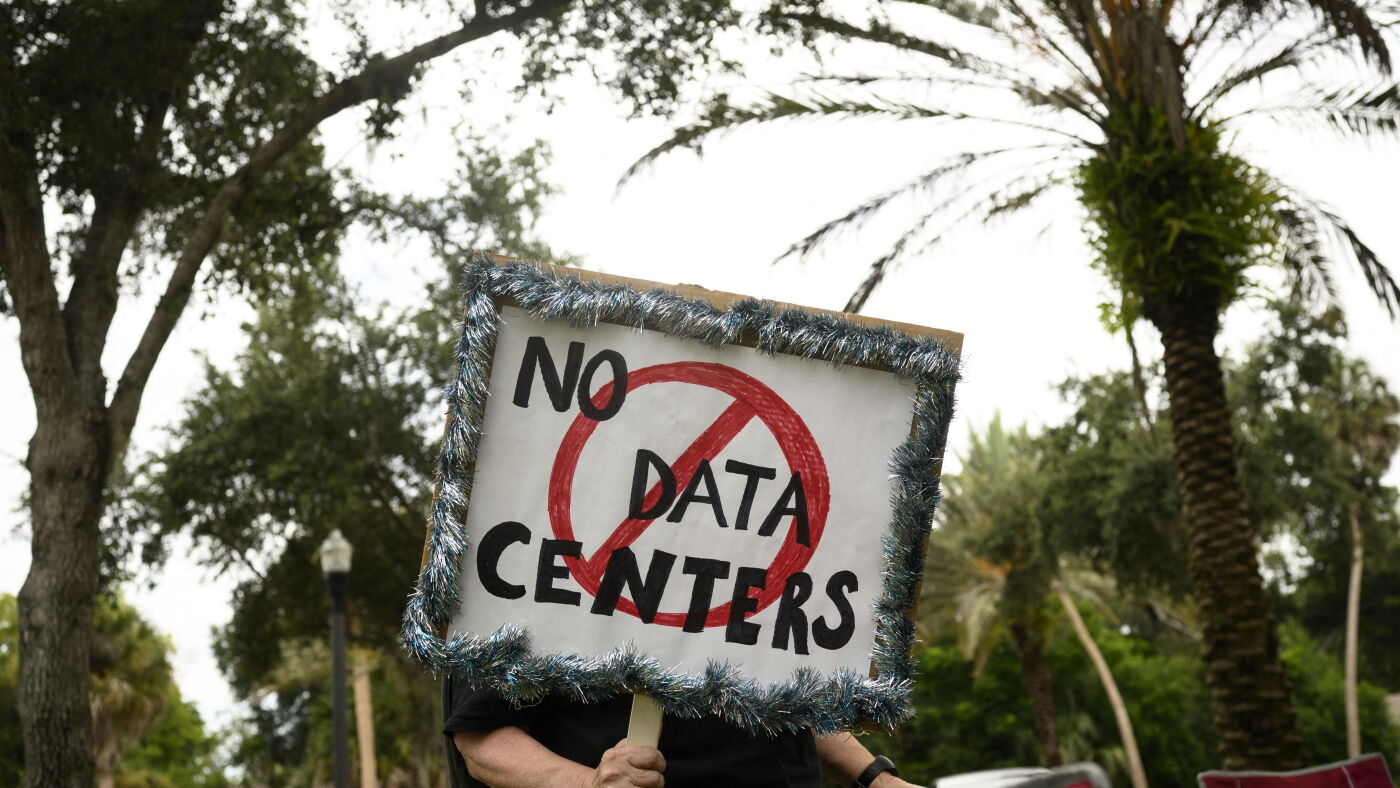
Cover image from npr.org, which was analyzed for this article
Voters express frustration with energy-hungry data centers, influencing both parties' midterm strategies. Bipartisan political angles covered widely.
PoliticalOS
Saturday, September 5, 2026 — Politics
Public opposition to data centers has created a rare point of rhetorical overlap between the two parties in competitive 2026 races. Candidates are spending tens of millions to promise protection from higher utility bills, yet the underlying questions of siting, cost allocation, and long-term energy demand remain unaddressed in the advertising.
What outlets missed
Neither outlet examined specific proposed data-center projects or their permitting status in the states where ads are running. The Sun-Times piece supplied no data on actual electricity-rate increases or water usage tied to existing facilities. The NPR report did not address how local zoning boards or utility regulators are responding to the same public pressure that candidates are citing in ads.
Data Centers Fuel Rare Bipartisan Campaign Messaging Ahead of Midterms
Both parties are pouring tens of millions into political ads that criticize data centers, turning the infrastructure behind the artificial intelligence boom into an unexpected flashpoint in competitive races. An analysis of advertising data shows campaigns and outside groups have spent more than $45 million on spots mentioning the facilities since January, with nearly equal sums backing Republican and Democratic candidates.
The facilities, which require vast amounts of electricity and water to operate, have drawn scrutiny over tax incentives, rising utility costs and environmental effects. Republicans and Democrats alike argue in the ads that the centers receive excessive breaks while shifting burdens onto residents. Spending tracked by AdImpact reached over $22 million in support of Republican candidates and more than $21 million for Democrats through August, though Democrats produced nearly twice as many ads and placed them across a wider set of states.
The volume of mentions has risen sharply. Just a handful appeared in January, but the number climbed to 62 in June, more than 110 in July and roughly 164 in August. The ads concentrate in battleground areas such as Wisconsin and Michigan, where House, Senate and gubernatorial contests remain tight. A Reuters/Ipsos poll from June found 77 percent of Americans expressing concern about data center expansion.
Local sentiment echoes those themes. Readers responding to questions about proposed centers in Chicago highlighted worries over strain on the electric grid, potential pollution of the Great Lakes and the absence of meaningful limits on corporate subsidies. Several called for requirements that operators supply their own power and meet stricter standards on water use, noise and emissions. Others said new facilities should avoid residential zones altogether or pay full freight without discounts that raise costs for existing customers.
The convergence reflects deeper tensions between rapid growth in AI computing and the practical limits of local infrastructure. Data centers have proliferated as companies race to train and run larger models, yet the facilities often receive property tax abatements and draw from the same power sources that serve homes and businesses. Utilities in several states have warned of higher rates tied to new demand, while communities report concerns about noise, light and effects on nearby property values.
In campaign messaging, the issue allows candidates from both parties to position themselves as protectors of ratepayers against large technology firms. The pattern appears in Georgia and Iowa as well as Midwestern swing districts, where outside groups have amplified the same arguments. Because the facilities are frequently sited in rural or suburban areas with available land and transmission access, their expansion has created pockets of opposition even in places not traditionally aligned on technology policy.
The spending surge comes as the number of proposed centers continues to climb. Industry forecasts project further increases in electricity consumption from AI workloads through the decade, raising questions about how states will balance economic development incentives against long-term infrastructure costs. Candidates in affected districts have begun treating the facilities as a concrete example of uneven gains from technological change, with voters asked to weigh promised jobs against immediate pressures on household bills and public resources.
Whether the ads translate into measurable shifts at the ballot box remains unclear. What is evident is that data centers have moved from a niche regulatory topic to a recurring line of attack that both parties view as electorally useful. The parallel messaging suggests the underlying frictions over land use, energy and taxation are likely to persist beyond this cycle as AI infrastructure expands.
You just read Liberal's take. Want to read what actually happened?
More in Politics
Democrats Flip Senate, Expand House Majority in Midterms
Democrats flipped the Senate and expanded their House majority in a major rebuke to President Trump and Republicans. Key victories included multiple Senate seats and state-level wins that ended long-standing GOP dominance in places like Texas.
GOP Losses Spur Blame, Vance Distancing, 2028 Maneuvers
Republicans are pointing fingers internally after heavy losses, with Vice President JD Vance distancing himself from Trump over the Iran war and positioning for a potential 2028 run. Challengers within the party are already sensing opportunity.
Democrats Take House and Senate Amid Record Midterm Turnout
Democrats achieved decisive gains in the 2026 midterms, flipping seats to take control of both chambers. Coverage highlights historic turnout and implications for the Trump administration.
Democrats Take House and Senate, Constraining Trump
Democrats flipped both the House and Senate in a major rebuke to President Trump and Republicans. The results create divided government and set up battles over spending, oversight, and foreign policy for the remainder of Trump's term.
The Compass
You just read five takes on one story.
What's your take? Find your political shape in a few minutes.
Take the test