
Data Center Backlash Reshapes Both Parties' Midterm Ads
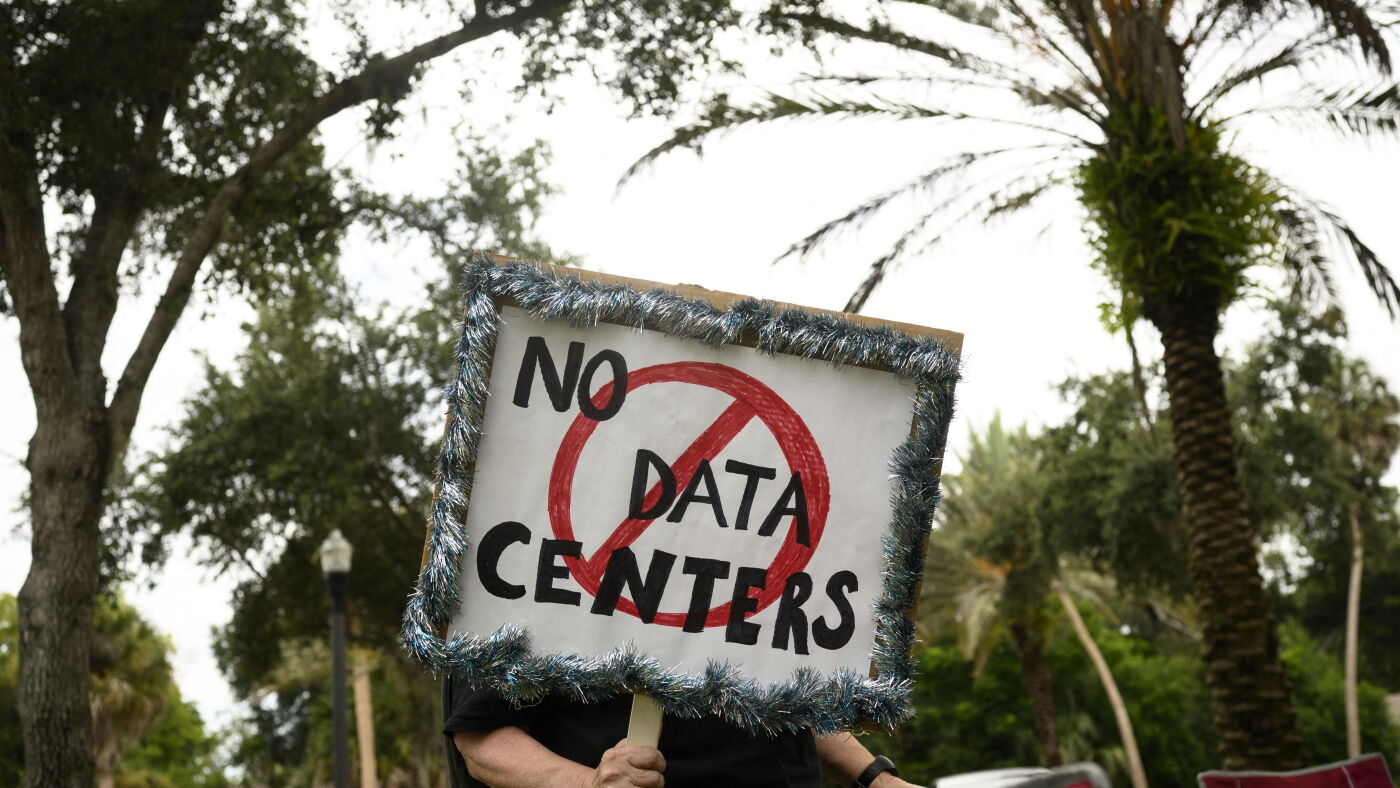
Cover image from npr.org, which was analyzed for this article
Voters express frustration with energy-hungry data centers, influencing both parties' midterm strategies. Bipartisan political angles covered widely.
PoliticalOS
Saturday, September 5, 2026 — Politics
Public opposition to data centers has created a rare point of rhetorical overlap between the two parties in competitive 2026 races. Candidates are spending tens of millions to promise protection from higher utility bills, yet the underlying questions of siting, cost allocation, and long-term energy demand remain unaddressed in the advertising.
What outlets missed
Neither outlet examined specific proposed data-center projects or their permitting status in the states where ads are running. The Sun-Times piece supplied no data on actual electricity-rate increases or water usage tied to existing facilities. The NPR report did not address how local zoning boards or utility regulators are responding to the same public pressure that candidates are citing in ads.
Both Parties Exploit Data Center Backlash in Midterm Ad Blitz
Voters across the country are voicing sharp opposition to the rapid expansion of data centers powering the artificial intelligence surge, and campaigns from both major parties are rushing to capitalize on that discontent ahead of the midterms. An analysis of political advertising data shows that more than $45 million has been spent on spots mentioning data centers since January, with spending nearly split between Republican and Democratic efforts. The ads converge on familiar complaints: excessive tax breaks for tech companies, rising electricity costs for residents, and the environmental toll of massive facilities that consume enormous amounts of water and power.
The issue has gained traction in competitive states such as Wisconsin, Michigan, Georgia, and Iowa, where mentions in ads climbed from a handful early in the year to 164 in August alone. A Reuters/Ipsos poll from June found that 77 percent of Americans express concern over the facilities. In Illinois, residents responding to a Sun-Times query echoed those worries in detail. Many described the projects as threats to the Great Lakes, wildlife, and local property values, while criticizing the lack of requirements that operators pay for their own infrastructure or power sources. One reader demanded that centers be built only in wealthy areas with median home prices above $3 million and strict limits on emissions and noise. Another warned of skyrocketing utility rates without any caps, alongside pollution that could deplete scarce natural resources.
This bipartisan messaging highlights how both parties sense an opening with voters weary of corporate favoritism. Democratic groups have aired nearly twice as many ads as Republicans, spreading the critique across more races. Yet the pattern reveals little substantive difference in approach. Candidates from each side decry the same tax giveaways and grid strains without outlining concrete plans to shift costs onto the companies profiting from AI infrastructure. Local input from Chicago-area residents underscores the disconnect, with repeated calls for operators to fund their own energy needs and face rigorous environmental reviews rather than passing burdens onto taxpayers and ratepayers.
The facilities themselves remain central to the tech economy's growth, but the political response so far treats public frustration as a campaign tool more than a policy priority. As ads flood airwaves in battleground areas, the underlying tensions over who bears the costs of AI expansion continue to mount, leaving residents to question whether either party will move beyond rhetoric once votes are counted.
You just read Progressive's take. Want to read what actually happened?
More in Politics
Democrats Flip Senate, Expand House Majority in Midterms
Democrats flipped the Senate and expanded their House majority in a major rebuke to President Trump and Republicans. Key victories included multiple Senate seats and state-level wins that ended long-standing GOP dominance in places like Texas.
GOP Losses Spur Blame, Vance Distancing, 2028 Maneuvers
Republicans are pointing fingers internally after heavy losses, with Vice President JD Vance distancing himself from Trump over the Iran war and positioning for a potential 2028 run. Challengers within the party are already sensing opportunity.
Democrats Take House and Senate Amid Record Midterm Turnout
Democrats achieved decisive gains in the 2026 midterms, flipping seats to take control of both chambers. Coverage highlights historic turnout and implications for the Trump administration.
Democrats Take House and Senate, Constraining Trump
Democrats flipped both the House and Senate in a major rebuke to President Trump and Republicans. The results create divided government and set up battles over spending, oversight, and foreign policy for the remainder of Trump's term.
The Compass
You just read five takes on one story.
What's your take? Find your political shape in a few minutes.
Take the test