
Army Secretary Driscoll Resigns After 18 Months Amid Hegseth Tensions
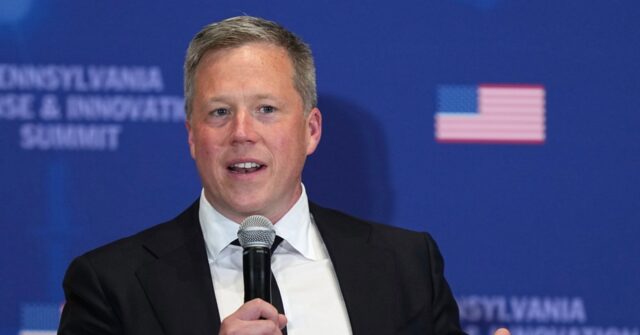
Cover image from breitbart.com, which was analyzed for this article
Driscoll stepped down after 18 months, citing reported clashes including with Defense Secretary Hegseth during a wave of military leadership changes. Center and right outlets detailed the surprise move.
PoliticalOS
Tuesday, September 1, 2026 — Politics
The Army enters an active war without confirmed senior leadership after the resignation of a modernization advocate who clashed with the defense secretary. The precise reasons for the departure rest on unverified accounts, while the leadership vacuum itself is confirmed across sources.
What outlets missed
No outlet supplied the date when the Army Transformation Initiative proposals were formally submitted or rejected. Coverage also omitted any public record of Hegseth’s stated rationale for removing Gen. George. The articles did not address whether Driscoll’s diplomatic role in Russia-Ukraine talks produced measurable outcomes or how the leadership gap might affect ongoing operations against Iran.
The U.S. Army now lacks Senate-confirmed leadership at both the civilian and uniformed levels while American forces conduct operations against Iran. Army Secretary Dan Driscoll submitted his resignation to President Trump on September 1, 2026, after 18 months in the role that began in February 2025.
The departure follows months of reported friction between Driscoll and Defense Secretary Pete Hegseth. The Wall Street Journal first reported the resignation, which Axios, Daily Wire, and Breitbart all covered. Driscoll had pushed the Army Transformation Initiative, an effort to merge Futures Command with Training and Doctrine Command and to reduce funding for platforms including the AH-64D Apache helicopter, M10 Booker combat vehicle, and Gray Eagle drone. Those proposals reportedly encountered resistance inside the Pentagon.
Hegseth had already removed Army Chief of Staff Gen. Randy George earlier in 2026. George had collaborated with Driscoll on the same modernization agenda. The Army therefore enters a period of transition without confirmed top leaders during an active conflict that has lasted six months and recently included Iranian missile strikes on U.S. forces near the Strait of Hormuz.
Driscoll maintained a close relationship with Vice President JD Vance, his Yale Law School classmate. Axios reported that some unnamed U.S. officials described Hegseth as suspicious of that connection. Daily Wire and Breitbart noted the same relationship without additional characterization. A White House spokeswoman, Anna Kelly, stated that Driscoll had been “highly effective in advancing President Trump’s agenda to Make America Strong Again” through work on readiness, lethality, and Russia-Ukraine negotiations. She added that the Army is “more powerful than ever” because of his efforts.
Driscoll, the youngest person to hold the post, previously served as an Army officer, deployed to Iraq in 2009, and received bipartisan support during confirmation, including votes from 16 Democrats. No successor has been named, and the timing of his final day remains unspecified. The White House had asked him to remain until after the midterms; he declined.
More in Politics
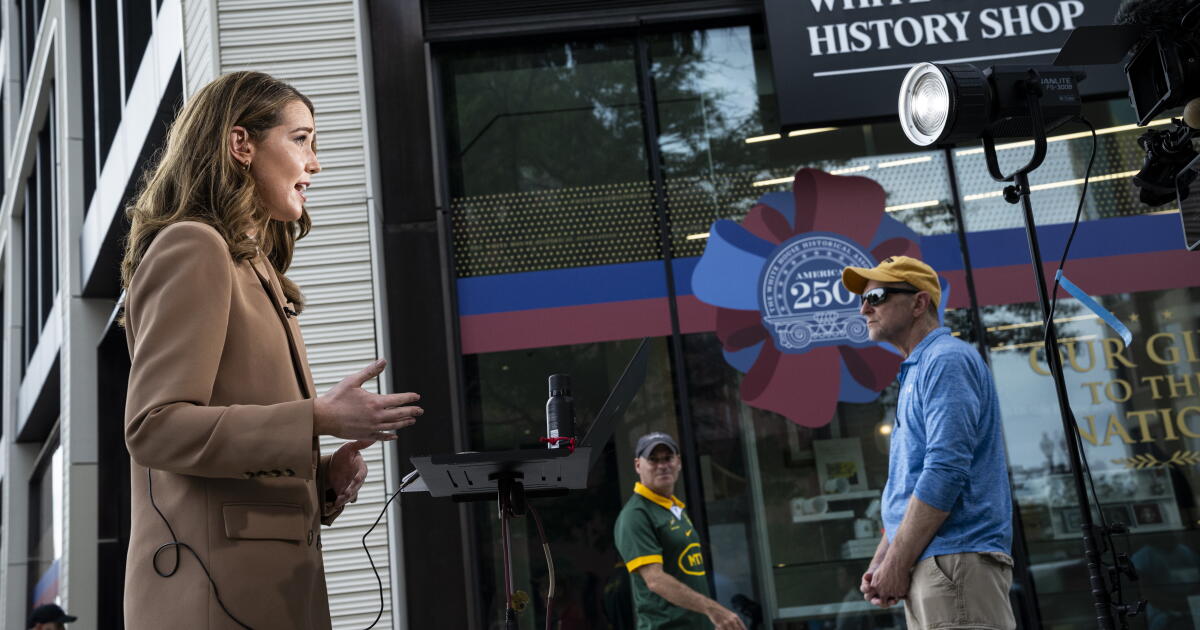
Trump Bars CNN, MSNBC, Politico; Outlets Sue Over Access
President Trump barred CNN, MS NOW, and Politico from White House access over disputed coverage, prompting the outlets to notify the administration of a planned First Amendment lawsuit. Multiple outlets across the spectrum reported on the escalating conflict between the administration and major media organizations.

ICE Shoots Venezuelan DoorDash Driver in Austin Traffic Stop
An ICE officer shot and wounded a Venezuelan man during an enforcement operation in Austin amid ongoing protests against deportation policies. Coverage highlighted the incident as part of intensified immigration enforcement under the Trump administration.

Tight Midterm Races Test Party Control With 43 Days Left
Democrats and Republicans are locked in tight contests for Senate control with 43 days until the midterms, as candidates navigate Trump-era issues and voter fatigue with past election claims. Fundraising, candidate quality, and state-level dynamics are shaping the battle for Congress.

Trump, Xi to Consider AI Safety Alerts and Trade Truce Extension
President Trump is set to host Chinese leader Xi Jinping this week amid ongoing trade, tariff, and security discussions, including signals on non-strategic goods and farm purchases. The meeting comes as both sides manage broader geopolitical tensions.
The Compass
You just read five takes on one story.
What's your take? Find your political shape in a few minutes.
Take the test