
Moderate Rep. Ed Case defeats progressive challenger in Hawaii primary
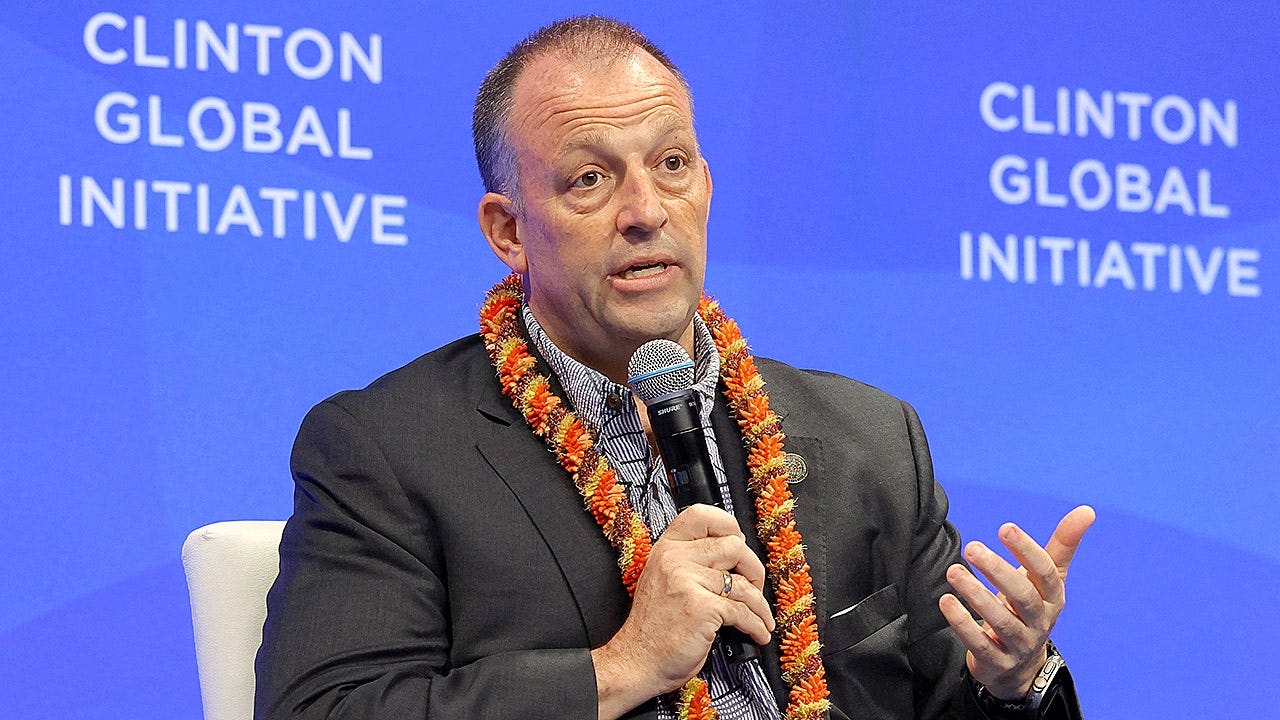
Cover image from foxnews.com, which was analyzed for this article
Rep. Ed Case defeated his progressive opponent in Hawaii's 1st District, part of a broader pattern of primary results shaking up House races ahead of 2026 midterms. Outlets across the spectrum covered the generational and policy-focused contest.
PoliticalOS
Sunday, August 9, 2026 — Politics
Case’s comfortable victory shows that moderate Democrats can still hold safe seats against progressive challengers even as the party sees turnover in other districts. The race turned on local dynamics and the incumbent’s record rather than a national ideological wave.
What outlets missed
Most coverage omitted the final certified margin of roughly 60 percent to 36.1 percent, which showed a decisive rather than competitive result. Reports also left out that two of Gov. Green’s primary opponents had no campaign websites and zero reported fundraising through June 30. The precise number of House Democrats who backed the initial SAVE Act version could not be independently verified across outlets, with claims ranging from three to four.
Hawaii Incumbents Defeat Progressive Primary Challenges
Hawaii Democrats delivered clear victories for their congressional and gubernatorial incumbents in Saturday's primary elections, turning aside several challengers aligned with the party's progressive wing. The results stand in contrast to recent contests elsewhere where more left-leaning candidates have unseated sitting members.
Rep. Ed Case secured the Democratic nomination for Hawaii's 1st Congressional District with a nearly 14-point lead over state Sen. Jarrett Keohokalole once most ballots were counted. Case, who previously represented the 2nd District from 2002 to 2007 before returning to Congress in 2019, faced criticism from Keohokalole over his support for military aid to Israel and an earlier version of federal voter legislation backed by Republicans. Keohokalole positioned himself as a stronger opponent of the Trump administration's policies, yet voters favored the incumbent's record. Case will face Republican Adriel Lam in November in a district that leans heavily Democratic.
In the neighboring 2nd District, Rep. Jill Tokuda also advanced comfortably after defeating three primary opponents. One of those challengers drew attention for an arrest stemming from a beach altercation captured on video, which added to the difficulties facing long-shot bids against the sitting representative. Tokuda, seeking a third term, encountered no serious threat despite the national pattern of intraparty friction. The district covers the rest of the state outside central Oahu and carries a strong Democratic tilt according to independent ratings.
Gov. Josh Green likewise won his party's nomination without difficulty, defeating three lesser-known opponents including a self-described Democratic socialist who advocated publicly run grocery stores and marijuana legalization through social media. Green raised roughly $3.5 million compared with negligible fundraising by his rivals, and his approval rating stood at 56 percent entering the contest. He will meet Republican Gary Cordery in the fall. Hawaii has not elected a Republican governor since 2010.
The outcomes highlight the limits of progressive momentum within Hawaii's Democratic electorate. While challengers in other states have capitalized on dissatisfaction with moderate voting records, local voters here showed little appetite for replacing experienced officeholders with candidates promising sharper ideological turns. Fundraising gaps and the absence of organized campaigns by most opponents further underscored the difficulty of mounting viable insurgencies against established figures.
Republicans, for their part, face long odds in the general election given the state's partisan makeup. Their nominees will compete in districts and a statewide race rated as safely Democratic by analysts. The primaries themselves drew limited attention beyond the Case-Keohokalole matchup, with turnout reflecting routine participation rather than widespread upheaval.
These results suggest that Hawaii Democrats continue to prioritize continuity over the internal shifts seen in parts of New York and Colorado this cycle. Incumbents who maintained broader appeal within the party apparatus prevailed where challengers lacked resources or distinctive local traction.
You just read Conservative's take. Want to read what actually happened?
More in Politics

Democrats Flip Senate, Expand House Majority in Midterms
Democrats flipped the Senate and expanded their House majority in a major rebuke to President Trump and Republicans. Key victories included multiple Senate seats and state-level wins that ended long-standing GOP dominance in places like Texas.

GOP Losses Spur Blame, Vance Distancing, 2028 Maneuvers
Republicans are pointing fingers internally after heavy losses, with Vice President JD Vance distancing himself from Trump over the Iran war and positioning for a potential 2028 run. Challengers within the party are already sensing opportunity.

Democrats Take House and Senate Amid Record Midterm Turnout
Democrats achieved decisive gains in the 2026 midterms, flipping seats to take control of both chambers. Coverage highlights historic turnout and implications for the Trump administration.
Democrats Take House and Senate, Constraining Trump
Democrats flipped both the House and Senate in a major rebuke to President Trump and Republicans. The results create divided government and set up battles over spending, oversight, and foreign policy for the remainder of Trump's term.
The Compass
You just read five takes on one story.
What's your take? Find your political shape in a few minutes.
Take the test