
DOJ Asks States to Hold Ballots from 405 Suspected Noncitizens
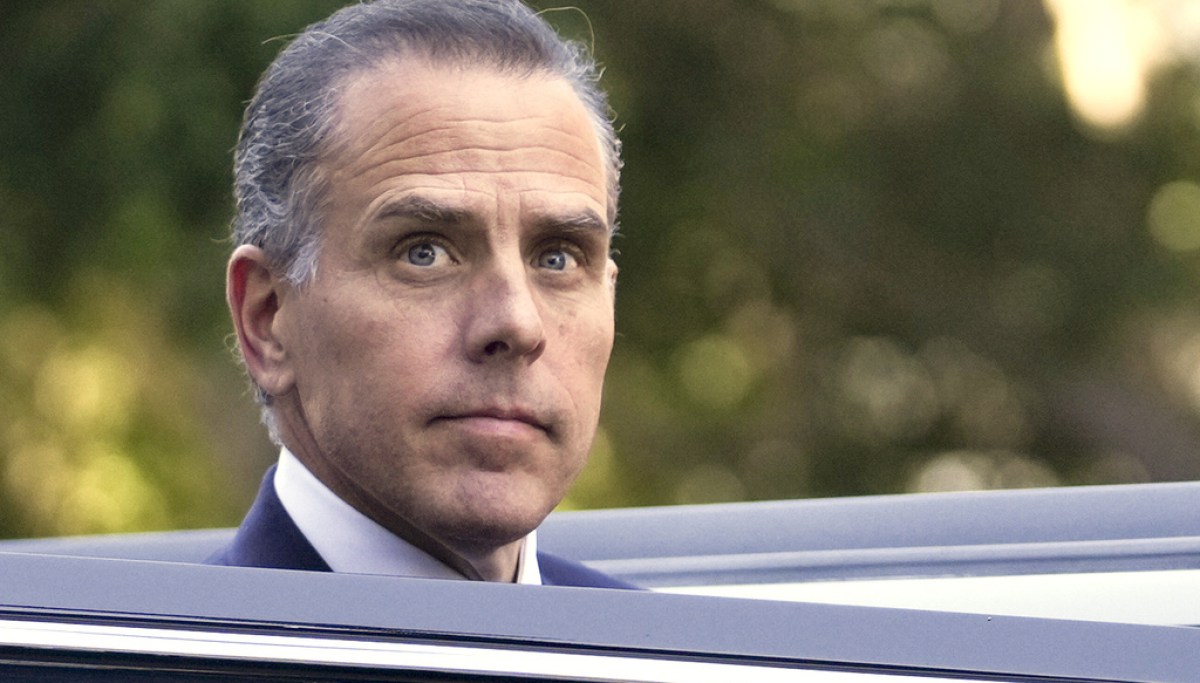
Cover image from washingtonexaminer.com, which was analyzed for this article
Election officials report concerns over potential federal overreach including ICE activity, monitors, and certification challenges ahead of midterms. DOJ actions in battleground states have heightened tensions.
PoliticalOS
Tuesday, October 27, 2026 — Politics
Federal requests to isolate ballots from suspected noncitizens have reached three states with competitive races, prompting state pushback over timing and data accuracy. Past similar allegations produced far fewer confirmed violations than initially claimed. The core unresolved issue is whether these actions reflect routine eligibility enforcement or targeted interference with ongoing voting.
What outlets missed
The Independent piece notes prior overstated claims in Nevada and Arizona but provides no data on successful prosecutions or removals under earlier administrations. Neither outlet examines the specific federal statutes governing noncitizen registration or the practical limits states place on sharing driver’s license and Social Security data. The Washington Examiner article addresses unrelated Hunter Biden laptop charges and adds no information on election administration or ballot segregation requests.
Trump DOJ Revives Old Probes While Targeting Voter Rolls in Key States
The Justice Department under the Trump administration has moved in quick succession on two fronts that touch sensitive political terrain: charging two former FBI officials in connection with the agency’s handling of Hunter Biden’s laptop and demanding that Washington state set aside ballots from hundreds of people flagged as noncitizens.
The charges against Nichole Floris and Bradley Benavides, both former senior FBI managers, allege they made false statements to the House Judiciary Committee in 2023 about their knowledge of the laptop investigation. Prosecutors brought the case without convening a grand jury, an approach that is uncommon when felonies are at stake and that has drawn attention for its procedural shortcuts. The timing places the matter back in public view weeks before midterm voting, reviving a controversy that has long divided opinions along partisan lines over whether the FBI adequately pursued leads from the laptop or sought to contain them.
Separately, the department has written to Washington Secretary of State Steve Hobbs asking that ballots from more than 400 individuals identified as noncitizens be segregated until eligibility can be confirmed. Federal records indicate those individuals cast a total of roughly 1,500 ballots in prior elections, with at least one instance dating to 1994. Acting U.S. Attorney Neil Floyd in Seattle described the list as the “tip of the iceberg,” citing limits the state has placed on access to records. Washington runs all-mail elections for its more than five million registered voters, which means any review process must occur after ballots are already in the system.
Both actions reflect an administration emphasis on reexamining closed or dormant matters and on tightening enforcement around election administration. The laptop-related charges reopen questions about how federal agencies navigated politically charged investigations during the previous administration. The voter-eligibility push follows a similar request sent to California earlier this month and comes as control of Congress hangs in the balance.
Critics of the moves argue that selective use of prosecutorial tools and last-minute election interventions risk eroding public confidence in the even-handed application of law. Supporters counter that earlier reluctance to pursue certain lines of inquiry left legitimate oversight gaps that now require correction. In each instance, the department has framed its steps as routine enforcement rather than political signaling, yet the proximity to voting has amplified scrutiny over whether institutional norms are being stretched in service of immediate electoral concerns.
How these cases develop will test whether the Justice Department can maintain credibility across investigations that carry clear partisan resonance.
You just read Liberal's take. Want to read what actually happened?
More in Politics
Democrats Flip Senate, Expand House Majority in Midterms
Democrats flipped the Senate and expanded their House majority in a major rebuke to President Trump and Republicans. Key victories included multiple Senate seats and state-level wins that ended long-standing GOP dominance in places like Texas.
GOP Losses Spur Blame, Vance Distancing, 2028 Maneuvers
Republicans are pointing fingers internally after heavy losses, with Vice President JD Vance distancing himself from Trump over the Iran war and positioning for a potential 2028 run. Challengers within the party are already sensing opportunity.
Democrats Take House and Senate Amid Record Midterm Turnout
Democrats achieved decisive gains in the 2026 midterms, flipping seats to take control of both chambers. Coverage highlights historic turnout and implications for the Trump administration.
Democrats Take House and Senate, Constraining Trump
Democrats flipped both the House and Senate in a major rebuke to President Trump and Republicans. The results create divided government and set up battles over spending, oversight, and foreign policy for the remainder of Trump's term.
The Compass
You just read five takes on one story.
What's your take? Find your political shape in a few minutes.
Take the test