
Judge Warns Trump DOJ of Contempt Penalties in Epstein Files Case
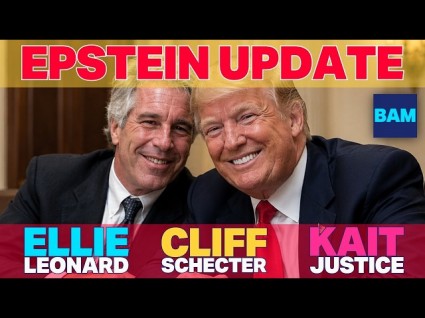
Cover image from crooksandliars.com, which was analyzed for this article
Senate questioning and legal fights continued over handling of Jeffrey Epstein documents. A judge threatened the Trump DOJ with jail time in one case. Left and right sources covered the political controversies.
PoliticalOS
Wednesday, August 19, 2026 — Politics
A federal judge has threatened contempt sanctions against Justice Department lawyers in a civil lawsuit seeking fuller release of Epstein-related FBI materials. The core dispute centers on production timelines rather than the content of any new revelations, and details beyond the single reported hearing remain unverified by additional sources.
What outlets missed
The underlying case is a FOIA-style civil action under the Epstein Files Transparency Act rather than a criminal investigation. The judge issued a new 10-day order for the parties to submit proposals on next steps. No Senate questioning or additional political scrutiny was documented in the supplied coverage, leaving the scope of any broader congressional involvement unverified.
Adam Schiff Targets Trump Over Corruption Claims as Epstein Files Face Court Pressure
Sen. Adam Schiff appeared on a recent podcast discussing ways Democrats could challenge President Donald Trump by focusing on self-enrichment in office. The California Democrat, who led the first Trump impeachment effort in the House, argued that tying presidential actions to their costs for ordinary Americans could prove effective. He described a strategy of highlighting how one person's gains in the White House come at the expense of broader promises made to voters.
Schiff also addressed his long-standing criticism of Israeli policies, noting shifts among traditional supporters who have grown more vocal. He spoke about rebuilding institutional protections after the Trump years, framing these efforts as necessary to prevent future overreach. The interview touched on his frequent clashes with Trump, which date back to the 2020 proceedings where Schiff served as lead prosecutor.
Separate developments in federal court have drawn attention to another high-profile matter involving powerful figures. Judge Emmet Sullivan, a veteran of the bench, pressed Justice Department lawyers during a hearing on the release of Epstein-related documents. The judge warned attorneys that failure to comply with orders could result in contempt findings, including possible jail time. When a department lawyer avoided committing to a specific timeline and described materials as forthcoming, Sullivan responded with skepticism about delays.
The hearing centered on demands for fuller disclosure of records tied to Jeffrey Epstein's activities. Observers noted the judge's emphasis on enforcing legitimate judicial orders without hesitation. Sullivan indicated he would use available tools to compel production, describing any enforcement step as a firm commitment rather than a mere warning. The proceedings highlighted ongoing resistance from the department side regarding the pace of document handling.
These two threads reflect wider tensions in Washington over accountability and institutional roles. Schiff's approach relies on connecting policy outcomes to personal financial interests at the top. At the same time, the court exchange underscores persistent questions about records from Epstein's network, which involved connections across political and social elites. Both episodes occur against a backdrop of divided control and competing narratives about who benefits from delayed transparency.
Critics of Schiff have long viewed his impeachment focus as selective, often overlooking parallel issues involving Democratic figures or entrenched interests. The Epstein matter, by contrast, has repeatedly pointed to protection of influential names regardless of party. Court pressure for release could force a reckoning with evidence that extends beyond one administration. Schiff's comments avoid direct engagement with such cases, preferring instead to target the current president.
Public discussion of these topics continues to split along familiar lines. One side sees corruption probes as essential checks. The other sees them as tools to undermine electoral results and shield other networks from scrutiny. The judge's statements signal that document production will not proceed without further judicial involvement if timelines slip. How these efforts intersect with broader debates over self-dealing remains a central question for the coming months.
You just read America First's take. Want to read what actually happened?
More in Politics
Democrats Flip Senate, Expand House Majority in Midterms
Democrats flipped the Senate and expanded their House majority in a major rebuke to President Trump and Republicans. Key victories included multiple Senate seats and state-level wins that ended long-standing GOP dominance in places like Texas.
GOP Losses Spur Blame, Vance Distancing, 2028 Maneuvers
Republicans are pointing fingers internally after heavy losses, with Vice President JD Vance distancing himself from Trump over the Iran war and positioning for a potential 2028 run. Challengers within the party are already sensing opportunity.
Democrats Take House and Senate Amid Record Midterm Turnout
Democrats achieved decisive gains in the 2026 midterms, flipping seats to take control of both chambers. Coverage highlights historic turnout and implications for the Trump administration.
Democrats Take House and Senate, Constraining Trump
Democrats flipped both the House and Senate in a major rebuke to President Trump and Republicans. The results create divided government and set up battles over spending, oversight, and foreign policy for the remainder of Trump's term.
The Compass
You just read five takes on one story.
What's your take? Find your political shape in a few minutes.
Take the test