
Trump Warns of Tariffs as EU Offers Canada Associate Status
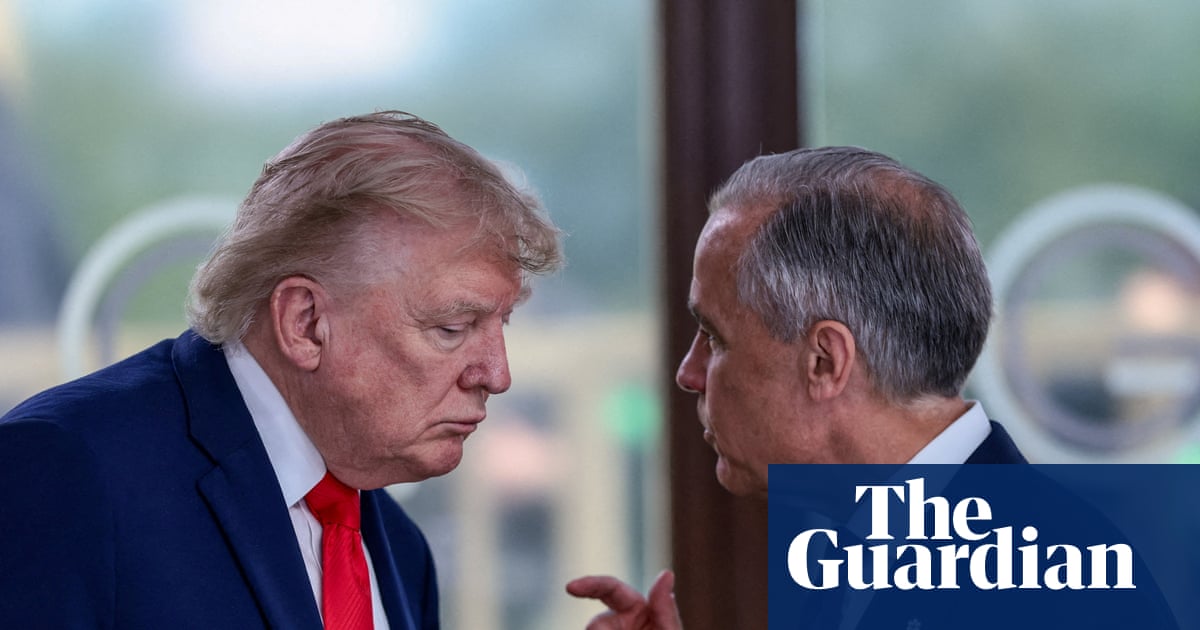
Cover image from theguardian.com, which was analyzed for this article
The EU invited Canada as its first associate member on defense and energy. Trump called it a hostile act and threatened new tariffs on Europe in response.
PoliticalOS
Thursday, September 17, 2026 — Politics
The central development is Canada’s attempt to reduce dependence on the U.S. market through new European arrangements while Washington signals willingness to respond with tariffs. The scope and legal form of any associate membership remain to be negotiated.
What outlets missed
Most outlets omitted the October 29-30 Canada-EU summit in Montreal where concrete terms are expected to be discussed. Few noted Canada’s prior accession to the EU’s SAFE defense procurement program or the full list of sectors under discussion, including critical minerals, the Arctic, and space. Coverage also underplayed the legal fact that associate membership does not yet exist in EU treaties and would require new rules. The 70 percent share of Canadian exports destined for the United States, which underpins Ottawa’s diversification motive, received little emphasis outside the AP dispatch.
Canada’s heavy reliance on U.S. markets has left it exposed to tariff threats, prompting Ottawa to pursue deeper ties with Europe as a buffer. Roughly 70 percent of Canadian exports go to the United States, and recent U.S. duties on Canadian goods have accelerated efforts in Ottawa to diversify. European Commission President Ursula von der Leyen proposed on Wednesday that Canada become the European Union’s first associate member, a status that does not yet exist in EU treaties and would require new legal arrangements.
President Donald Trump responded the same day by calling the idea “laughable” and warning that he would impose “very serious tariffs or stop trading with Europe on many things” if he judged the arrangement hostile. He added that good intentions would be acceptable but bad ones would trigger heavy duties. The proposal would expand cooperation beyond the existing Canada-European Union Comprehensive Economic and Trade Agreement into defense procurement, energy, critical minerals, artificial intelligence, cybersecurity, space, research, and financial services.
Canadian Prime Minister Mark Carney addressed the European Parliament on Thursday and welcomed the plan. He said the goal was collective resilience rather than dominance or the creation of a rival bloc, and he described economic integration as already being “weaponised” through tariffs and supply-chain pressure. Carney did not name Trump. France’s European affairs minister, Benjamin Haddad, told French television that no foreign power holds a veto over EU decisions. An EU spokesman said the partnership was “not against anyone else, but for our common strength.”
Canada has already joined the EU’s $173-billion SAFE defense procurement program as the first non-European participant. A Canada-EU summit is scheduled for October 29-30 in Montreal to discuss the proposed relationship in greater detail. Von der Leyen described the effort as building an “Alliance for the Future” that would reinforce mutual sovereignty and economic security. What specific rights or obligations associate membership would carry remains under negotiation.
More in Politics

UN Panel Cites Grounds for US War Crimes in Iran Strikes
The Iran conflict enters a new phase focused on reconstruction after US strikes destroyed nuclear sites. UN experts cite possible US war crimes killing civilians while oil prices stay elevated.

Southern Redistricting Tests Black Voter Turnout in Midterms
GOP spending heavily to protect Trump-won districts amid concerns in Georgia. Democrats see voting rights rulings boosting Black turnout in Southern races.

Minnesota Judge Warns ICE Order Violations Threaten Rule of Law
A federal judge warned ICE operations in Minnesota threaten the rule of law. The administration has frozen billions in grants with pediatricians raising health care access alarms.

Patel Cites 54,000 Arrests, Crime Drops; Democrats Challenge Record
Director Patel cited over 54,000 arrests and major drops in violent crime under Trump as historic. Democrats on the Senate Judiciary Committee questioned the record during hearings.
The Compass
You just read five takes on one story.
What's your take? Find your political shape in a few minutes.
Take the test