
Trump Warns of Tariffs as EU Offers Canada Associate Status
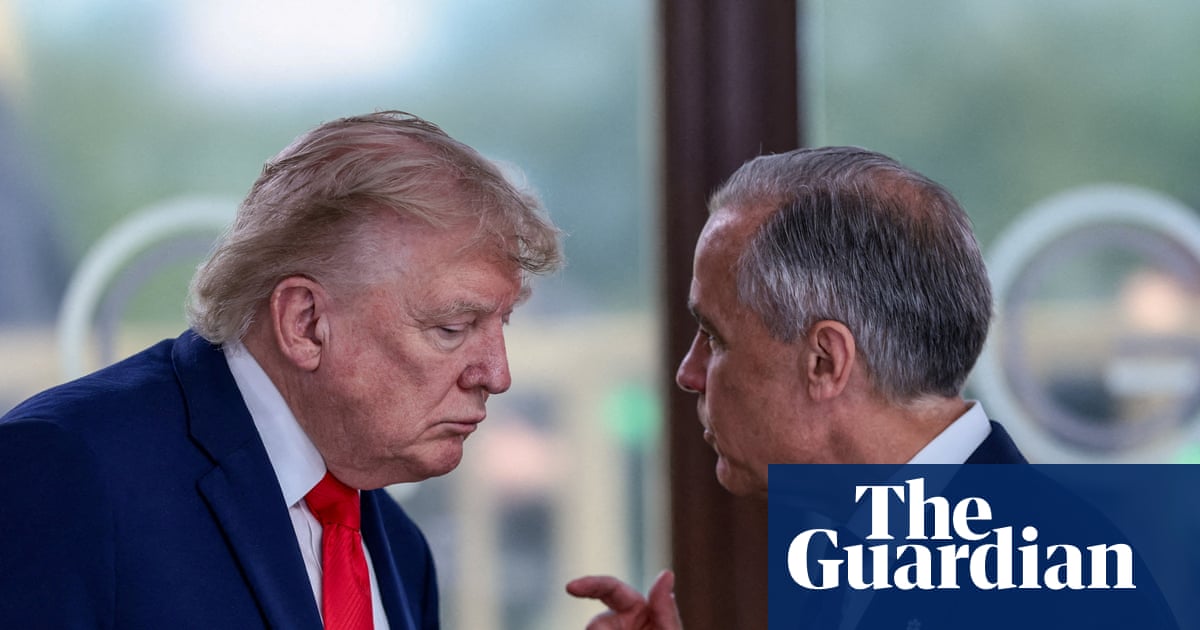
Cover image from theguardian.com, which was analyzed for this article
The EU invited Canada as its first associate member on defense and energy. Trump called it a hostile act and threatened new tariffs on Europe in response.
PoliticalOS
Thursday, September 17, 2026 — Politics
The central development is Canada’s attempt to reduce dependence on the U.S. market through new European arrangements while Washington signals willingness to respond with tariffs. The scope and legal form of any associate membership remain to be negotiated.
What outlets missed
Most outlets omitted the October 29-30 Canada-EU summit in Montreal where concrete terms are expected to be discussed. Few noted Canada’s prior accession to the EU’s SAFE defense procurement program or the full list of sectors under discussion, including critical minerals, the Arctic, and space. Coverage also underplayed the legal fact that associate membership does not yet exist in EU treaties and would require new rules. The 70 percent share of Canadian exports destined for the United States, which underpins Ottawa’s diversification motive, received little emphasis outside the AP dispatch.
Trump Warns Europe of Tariffs Over Canada Partnership Proposal
President Donald Trump said Wednesday that the European Union's plan to offer Canada associate membership could prompt heavy tariffs on European goods if Washington views the move as hostile. Speaking to reporters in North Carolina, Trump described the proposal as laughable and warned that serious tariffs or reduced trade could follow if intentions proved unfriendly. The comments extended ongoing disputes over trade imbalances and Canadian policy into relations with one of America's largest trading partners.
European Commission President Ursula von der Leyen introduced the idea earlier in the day during remarks to the European Parliament. She framed closer ties with Canada as a response to strains in the international system and stressed that the partnership aimed to build common strength rather than target any third party. The proposal would expand cooperation beyond the existing trade agreement in areas such as defense, critical minerals, energy, artificial intelligence, and research.
French European affairs minister Benjamin Haddad rejected any suggestion that outside powers could dictate the bloc's choices. He stated on French television that decisions on Europe's geopolitical direction belong to Europeans alone and noted the long-standing relationship with Canada. An EU Commission spokesman echoed that the effort strengthens mutual interests without opposing others.
Canadian Prime Minister Mark Carney addressed the European Parliament on Thursday and welcomed the initiative. He described deeper integration as a practical step to increase resilience in trade, security, and supply chains. Carney explicitly said the goal was not to form a rival power bloc but to reduce vulnerability to external pressure on markets and sovereignty. He pointed to Canada's historical economic dependence on the United States and noted that recent tariff threats and demands for concessions had accelerated efforts to broaden options.
Data from government trade statistics show the United States runs a substantial goods deficit with the European Union, a point Trump has cited repeatedly. Economists have long documented that tariffs function as taxes paid primarily by domestic importers and ultimately passed to consumers through higher prices. Historical episodes, including those in the 1930s and more recent rounds, consistently show reduced volumes of exchange and slower growth when barriers rise.
Carney also warned against the use of economic tools for coercion, noting that supply chains become points of leverage when weaponized. He said Canada seeks collaborative arrangements that reinforce mutual independence rather than dominance. European officials have maintained that their outreach to Ottawa rests on shared democratic practices and complementary economic strengths.
The exchange highlights the tension between national sovereignty in forming voluntary associations and the spillover effects of trade policy on third parties. Markets have reacted to past tariff announcements with immediate shifts in commodity prices and currency values, illustrating how such measures transmit costs across borders. Negotiations on the associate membership framework are expected to continue in coming months.
You just read Conservative's take. Want to read what actually happened?
More in Politics

Democrats Flip Senate, Expand House Majority in Midterms
Democrats flipped the Senate and expanded their House majority in a major rebuke to President Trump and Republicans. Key victories included multiple Senate seats and state-level wins that ended long-standing GOP dominance in places like Texas.

GOP Losses Spur Blame, Vance Distancing, 2028 Maneuvers
Republicans are pointing fingers internally after heavy losses, with Vice President JD Vance distancing himself from Trump over the Iran war and positioning for a potential 2028 run. Challengers within the party are already sensing opportunity.

Democrats Take House and Senate Amid Record Midterm Turnout
Democrats achieved decisive gains in the 2026 midterms, flipping seats to take control of both chambers. Coverage highlights historic turnout and implications for the Trump administration.
Democrats Take House and Senate, Constraining Trump
Democrats flipped both the House and Senate in a major rebuke to President Trump and Republicans. The results create divided government and set up battles over spending, oversight, and foreign policy for the remainder of Trump's term.
The Compass
You just read five takes on one story.
What's your take? Find your political shape in a few minutes.
Take the test