
Trump Warns of Tariffs as EU Offers Canada Associate Status
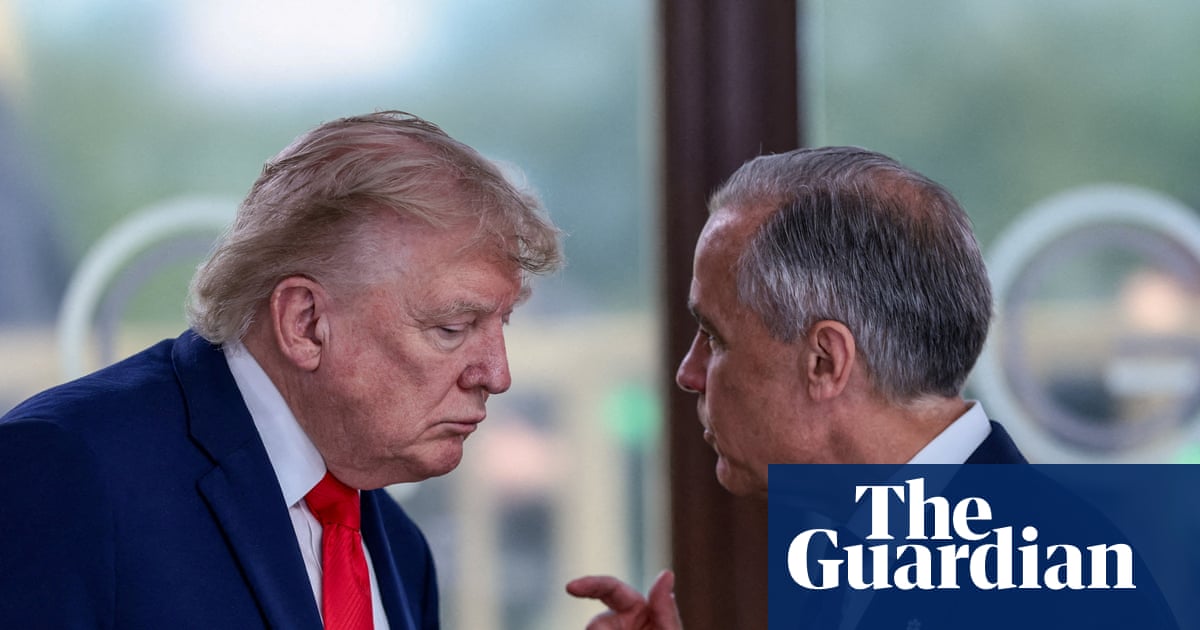
Cover image from theguardian.com, which was analyzed for this article
The EU invited Canada as its first associate member on defense and energy. Trump called it a hostile act and threatened new tariffs on Europe in response.
PoliticalOS
Thursday, September 17, 2026 — Politics
The central development is Canada’s attempt to reduce dependence on the U.S. market through new European arrangements while Washington signals willingness to respond with tariffs. The scope and legal form of any associate membership remain to be negotiated.
What outlets missed
Most outlets omitted the October 29-30 Canada-EU summit in Montreal where concrete terms are expected to be discussed. Few noted Canada’s prior accession to the EU’s SAFE defense procurement program or the full list of sectors under discussion, including critical minerals, the Arctic, and space. Coverage also underplayed the legal fact that associate membership does not yet exist in EU treaties and would require new rules. The 70 percent share of Canadian exports destined for the United States, which underpins Ottawa’s diversification motive, received little emphasis outside the AP dispatch.
Trump Warns Europe Against Canada EU Deal
President Donald Trump delivered a blunt message from North Carolina on Wednesday, labeling the European Union's plan to offer Canada associate membership a potential hostile act and vowing heavy tariffs or curtailed trade if it proceeds with bad intent. The proposal, floated by European Commission President Ursula von der Leyen, would deepen ties between Brussels and Ottawa beyond existing agreements, covering areas like defense, critical minerals, artificial intelligence, and energy.
Trump described the idea as laughable and pointed to Canada's track record as a difficult trade partner. He made clear that Washington would not stand by if the arrangement appeared designed to undermine American interests. This follows months of friction over trade imbalances, with Trump noting the United States has long shouldered a roughly $200 billion deficit supporting European economies.
European officials quickly pushed back. France's European affairs minister Benjamin Haddad insisted on French television that no foreign power holds veto authority over the 27-nation bloc's choices. An EU spokesman framed the move as strengthening common resilience rather than targeting anyone. Canadian Prime Minister Mark Carney, addressing European lawmakers in Strasbourg, welcomed the deeper partnership while insisting it seeks resilience against external pressure rather than rivalry with major powers. Carney spoke of economic tools being weaponized for coercion and supply chains turned into vulnerabilities, though he avoided naming Trump directly and drew laughter when joking about avoiding a third bloc with better manners.
The timing reveals shifting calculations in Ottawa and Brussels. Canada built its prosperity for generations through close integration with the United States market. Recent U.S. tariffs and talk of absorbing Canada as the 51st state appear to have accelerated efforts to diversify away from that dependence. Carney stressed collaboration for mutual sovereignty and prosperity, yet the underlying message from both sides carries an unmistakable edge toward reducing reliance on Washington.
Critics of the EU proposal see familiar patterns of supranational overreach. The bloc has long positioned itself as a rules-based counterweight to national sovereignty concerns, often at odds with American priorities on trade enforcement and border security. Von der Leyen's emphasis on a fractured international system conveniently ignores how U.S. defense commitments and market access have underwritten European stability for decades. For Canada, the pivot risks trading one set of dependencies for another, binding its resources and policies more tightly to distant bureaucrats in Brussels.
Trump's tariff threat aligns with a consistent approach of prioritizing American workers and industries over abstract alliances. Previous rounds of duties on steel, aluminum, and other goods forced renegotiations that delivered tangible concessions. Here, the leverage targets a move that could consolidate a transatlantic bloc less accountable to U.S. voters. European and Canadian leaders may scoff at the notion of foreign interference, yet their own actions demonstrate selective concern for sovereignty when it suits their integration agenda.
As Carney concluded his remarks, the laughter in the European Parliament underscored the gap in perspectives. One side views closer Canada-EU links as natural evolution. The other sees an attempt to sidestep the economic realities that have long tied North America together. Trade negotiations ahead will test whether the associate membership plan survives or forces further adjustments on both sides of the Atlantic.
You just read America First's take. Want to read what actually happened?
More in Politics
Democrats Flip Senate, Expand House Majority in Midterms
Democrats flipped the Senate and expanded their House majority in a major rebuke to President Trump and Republicans. Key victories included multiple Senate seats and state-level wins that ended long-standing GOP dominance in places like Texas.
GOP Losses Spur Blame, Vance Distancing, 2028 Maneuvers
Republicans are pointing fingers internally after heavy losses, with Vice President JD Vance distancing himself from Trump over the Iran war and positioning for a potential 2028 run. Challengers within the party are already sensing opportunity.
Democrats Take House and Senate Amid Record Midterm Turnout
Democrats achieved decisive gains in the 2026 midterms, flipping seats to take control of both chambers. Coverage highlights historic turnout and implications for the Trump administration.
Democrats Take House and Senate, Constraining Trump
Democrats flipped both the House and Senate in a major rebuke to President Trump and Republicans. The results create divided government and set up battles over spending, oversight, and foreign policy for the remainder of Trump's term.
The Compass
You just read five takes on one story.
What's your take? Find your political shape in a few minutes.
Take the test