
Trump Warns of Tariffs as EU Offers Canada Associate Status
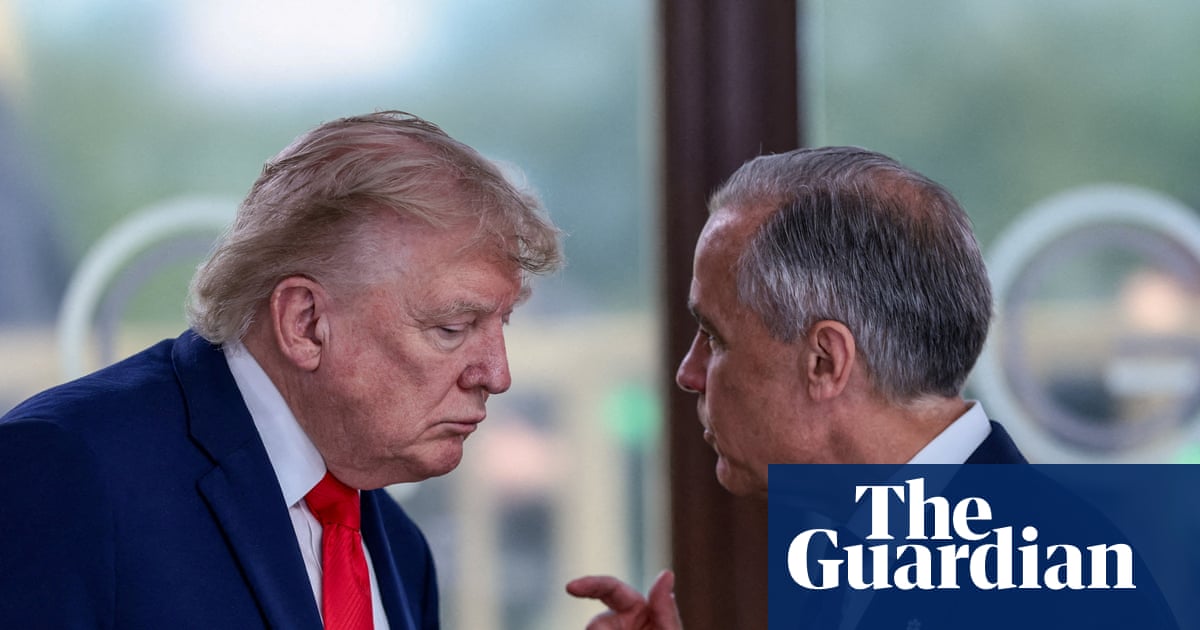
Cover image from theguardian.com, which was analyzed for this article
The EU invited Canada as its first associate member on defense and energy. Trump called it a hostile act and threatened new tariffs on Europe in response.
PoliticalOS
Thursday, September 17, 2026 — Politics
The central development is Canada’s attempt to reduce dependence on the U.S. market through new European arrangements while Washington signals willingness to respond with tariffs. The scope and legal form of any associate membership remain to be negotiated.
What outlets missed
Most outlets omitted the October 29-30 Canada-EU summit in Montreal where concrete terms are expected to be discussed. Few noted Canada’s prior accession to the EU’s SAFE defense procurement program or the full list of sectors under discussion, including critical minerals, the Arctic, and space. Coverage also underplayed the legal fact that associate membership does not yet exist in EU treaties and would require new rules. The 70 percent share of Canadian exports destined for the United States, which underpins Ottawa’s diversification motive, received little emphasis outside the AP dispatch.
European Union and Canada Advance Closer Partnership Despite US Objections
European leaders and Canadian Prime Minister Mark Carney moved ahead with plans for deeper ties on Thursday even as President Donald Trump warned that offering Canada associate membership in the bloc could trigger heavy U.S. tariffs. The proposal, floated by European Commission President Ursula von der Leyen, would expand cooperation beyond the existing trade agreement into areas such as defense, critical minerals, artificial intelligence and energy. Trump described the idea as laughable and said any perception of hostility would lead Washington to impose serious tariffs or curtail trade with Europe.
Von der Leyen framed the partnership as a response to fractures in the international rules-based system, emphasizing that it was meant to strengthen both sides rather than target any third country. European officials quickly rejected the notion that the United States could veto internal decisions. France’s European affairs minister, Benjamin Haddad, stated on French television that no foreign power has the authority to dictate the geopolitical direction of the 27-nation bloc. An EU Commission spokesman added that the arrangement was intended to build common strength, not confront outsiders.
Carney addressed the European Parliament in Strasbourg and welcomed the initiative as a natural step. He outlined ambitions for closer integration across trade, security, research and financial services, arguing that both Canada and Europe would gain resilience against external economic and political pressure. The prime minister stressed that the goal was not to create a rival power bloc. Instead, he said, the partnership would reduce vulnerability to any single country’s ability to control markets or dictate choices. He noted that Canada had long built its economy around integration with the United States, but recent tariff threats and demands for concessions had accelerated efforts to diversify.
Carney also warned of a broader pattern in which economic tools are being used for coercion and trade is weaponized to exert pressure. Although he did not name Trump directly, the remarks aligned with longstanding Canadian concerns over U.S. policy. European lawmakers responded with laughter when Carney added that the arrangement would not seek dominance over others, even with better manners.
The exchange highlights a shift in transatlantic relations. Trump’s earlier tariffs on Canadian goods and public comments about absorbing Canada as the 51st state have prompted Ottawa to seek firmer footing with other democratic partners. For the European Union, the move represents an assertion of strategic autonomy at a moment when traditional alliances face new strains. Officials on both sides of the Atlantic have presented the proposed associate membership as a pragmatic response to shared challenges rather than a direct challenge to Washington. Whether the arrangement ultimately advances will depend on negotiations that are still in early stages, but the initial reactions suggest that neither Europe nor Canada intends to let U.S. objections halt the process.
You just read Liberal's take. Want to read what actually happened?
More in Politics

Democrats Flip Senate, Expand House Majority in Midterms
Democrats flipped the Senate and expanded their House majority in a major rebuke to President Trump and Republicans. Key victories included multiple Senate seats and state-level wins that ended long-standing GOP dominance in places like Texas.

GOP Losses Spur Blame, Vance Distancing, 2028 Maneuvers
Republicans are pointing fingers internally after heavy losses, with Vice President JD Vance distancing himself from Trump over the Iran war and positioning for a potential 2028 run. Challengers within the party are already sensing opportunity.

Democrats Take House and Senate Amid Record Midterm Turnout
Democrats achieved decisive gains in the 2026 midterms, flipping seats to take control of both chambers. Coverage highlights historic turnout and implications for the Trump administration.
Democrats Take House and Senate, Constraining Trump
Democrats flipped both the House and Senate in a major rebuke to President Trump and Republicans. The results create divided government and set up battles over spending, oversight, and foreign policy for the remainder of Trump's term.
The Compass
You just read five takes on one story.
What's your take? Find your political shape in a few minutes.
Take the test