
Polls Show Drop in Trump Backing Among White Evangelicals
Cover image from thenation.com, which was analyzed for this article
New surveys show sharp drop in backing from key GOP constituency heading into midterms. Shift highlights potential vulnerabilities for Republicans in final campaign stretch.
PoliticalOS
Thursday, October 29, 2026 — Politics
Available reporting flags possible erosion in a key Republican constituency but provides no verifiable numbers or context. Readers cannot yet determine whether the reported change is statistically meaningful or electorally decisive.
What outlets missed
No outlet supplied the actual poll results, including margins of error or question wording, needed to assess whether the reported drop exceeds normal sampling variation. The provided coverage also omitted any discussion of possible causes such as specific policy disagreements or broader dissatisfaction. No reactions from evangelical leaders or Republican strategists appeared in the material.
Democrats Seek to Reclaim New Deal Image Amid Base Shifts
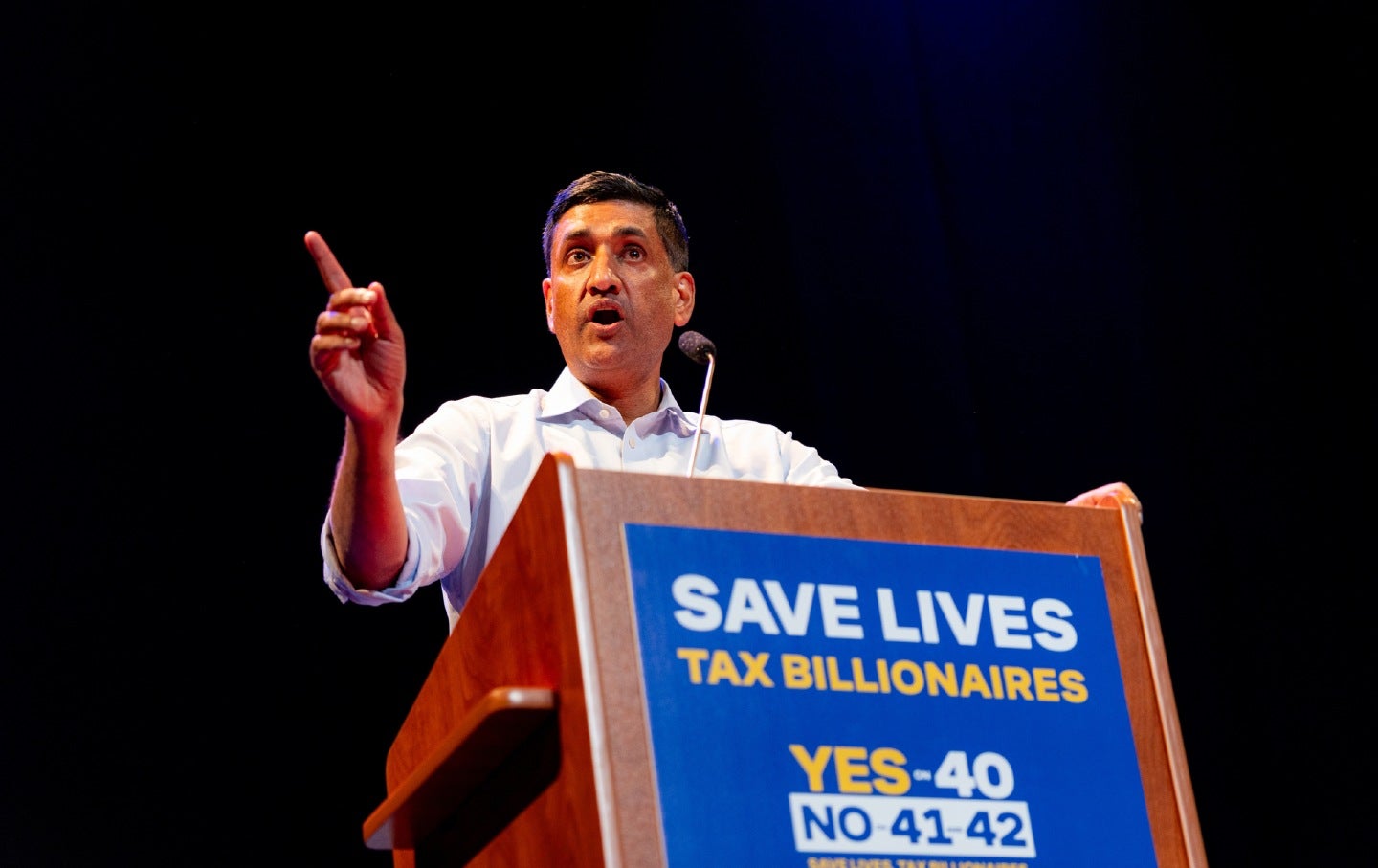
Representative Ro Khanna has stepped forward at recent rallies to position himself and fellow Democrats as heirs to Franklin Roosevelt's New Deal agenda. At a Los Angeles event alongside Senator Bernie Sanders, Khanna declared the party must reject corporate influences and return to policies that expand government roles in housing, jobs, and economic security. He framed these steps as essential to counter what he called authoritarian threats, drawing directly from Roosevelt's 1930s call for radical measures during economic hardship.
Such rhetoric echoes long-standing arguments for larger federal programs. Khanna pointed to an Economic Bill of Rights model that would guarantee employment, healthcare access, and other benefits through public spending. Organizers of the Ballots Over Billionaires events highlighted this approach as a way to energize voters ahead of future contests, including the 2028 cycle. The California congressman has repeated these themes in multiple speeches, urging party leaders to move beyond recent centrist strategies.
Historical records show the original New Deal produced mixed results at best. Unemployment remained elevated for years after major programs launched, and economic growth only accelerated with the onset of World War II production demands. Economists like Thomas Sowell have documented how wage and price controls, along with expanded regulations, often distorted labor markets and delayed recovery rather than speeding it. Modern proposals to revive similar structures face the same risk of crowding out private investment and raising costs for businesses that ultimately employ most Americans.
Separate polling data released this week indicates President Trump has seen measurable declines in backing from white evangelical voters, a group that provided consistent support in prior cycles. Three surveys point to drops that could influence turnout in upcoming midterm races. Analysts note possible fatigue with specific policy outcomes or cultural messaging as factors, though the precise drivers remain under review. This shift occurs even as Democrats attempt their own internal reset around expansive government promises.
Khanna's efforts highlight a broader party debate over direction. Proponents claim renewed focus on redistribution and regulation will address inequality and shore up democratic institutions. Detractors counter that such measures repeat patterns of dependency and inefficiency seen in earlier eras, where federal interventions frequently expanded without corresponding gains in mobility or prosperity. Data from the Great Depression period onward supports skepticism that top-down mandates outperform market-driven adjustments over time.
Voter responses in both parties suggest limited appetite for extremes. Evangelical defections may reflect dissatisfaction with implementation details rather than wholesale rejection of conservative principles. Meanwhile, Democratic outreach around New Deal themes risks alienating moderates who recall the fiscal burdens and slower growth tied to those original policies. Primary contests and general election dynamics will test whether these appeals consolidate bases or further fragment coalitions already strained by economic realities.
Events in San Francisco and Los Angeles drew attention to these divides, with speakers emphasizing historical parallels to the 1930s. Yet outcomes from that decade offer cautionary lessons about the limits of centralized planning. Sustained private sector expansion has proven more reliable for broad-based gains, a point reinforced by decades of comparative economic performance across different policy regimes.
You just read Conservative's take. Want to read what actually happened?
More in Politics
Democrats Flip Senate, Expand House Majority in Midterms
Democrats flipped the Senate and expanded their House majority in a major rebuke to President Trump and Republicans. Key victories included multiple Senate seats and state-level wins that ended long-standing GOP dominance in places like Texas.
GOP Losses Spur Blame, Vance Distancing, 2028 Maneuvers
Republicans are pointing fingers internally after heavy losses, with Vice President JD Vance distancing himself from Trump over the Iran war and positioning for a potential 2028 run. Challengers within the party are already sensing opportunity.
Democrats Take House and Senate Amid Record Midterm Turnout
Democrats achieved decisive gains in the 2026 midterms, flipping seats to take control of both chambers. Coverage highlights historic turnout and implications for the Trump administration.
Democrats Take House and Senate, Constraining Trump
Democrats flipped both the House and Senate in a major rebuke to President Trump and Republicans. The results create divided government and set up battles over spending, oversight, and foreign policy for the remainder of Trump's term.
The Compass
You just read five takes on one story.
What's your take? Find your political shape in a few minutes.
Take the test