
Polls Show Drop in Trump Backing Among White Evangelicals
Cover image from thenation.com, which was analyzed for this article
New surveys show sharp drop in backing from key GOP constituency heading into midterms. Shift highlights potential vulnerabilities for Republicans in final campaign stretch.
PoliticalOS
Thursday, October 29, 2026 — Politics
Available reporting flags possible erosion in a key Republican constituency but provides no verifiable numbers or context. Readers cannot yet determine whether the reported change is statistically meaningful or electorally decisive.
What outlets missed
No outlet supplied the actual poll results, including margins of error or question wording, needed to assess whether the reported drop exceeds normal sampling variation. The provided coverage also omitted any discussion of possible causes such as specific policy disagreements or broader dissatisfaction. No reactions from evangelical leaders or Republican strategists appeared in the material.
Democrats Reach for FDR Playbook as Base Shows Cracks
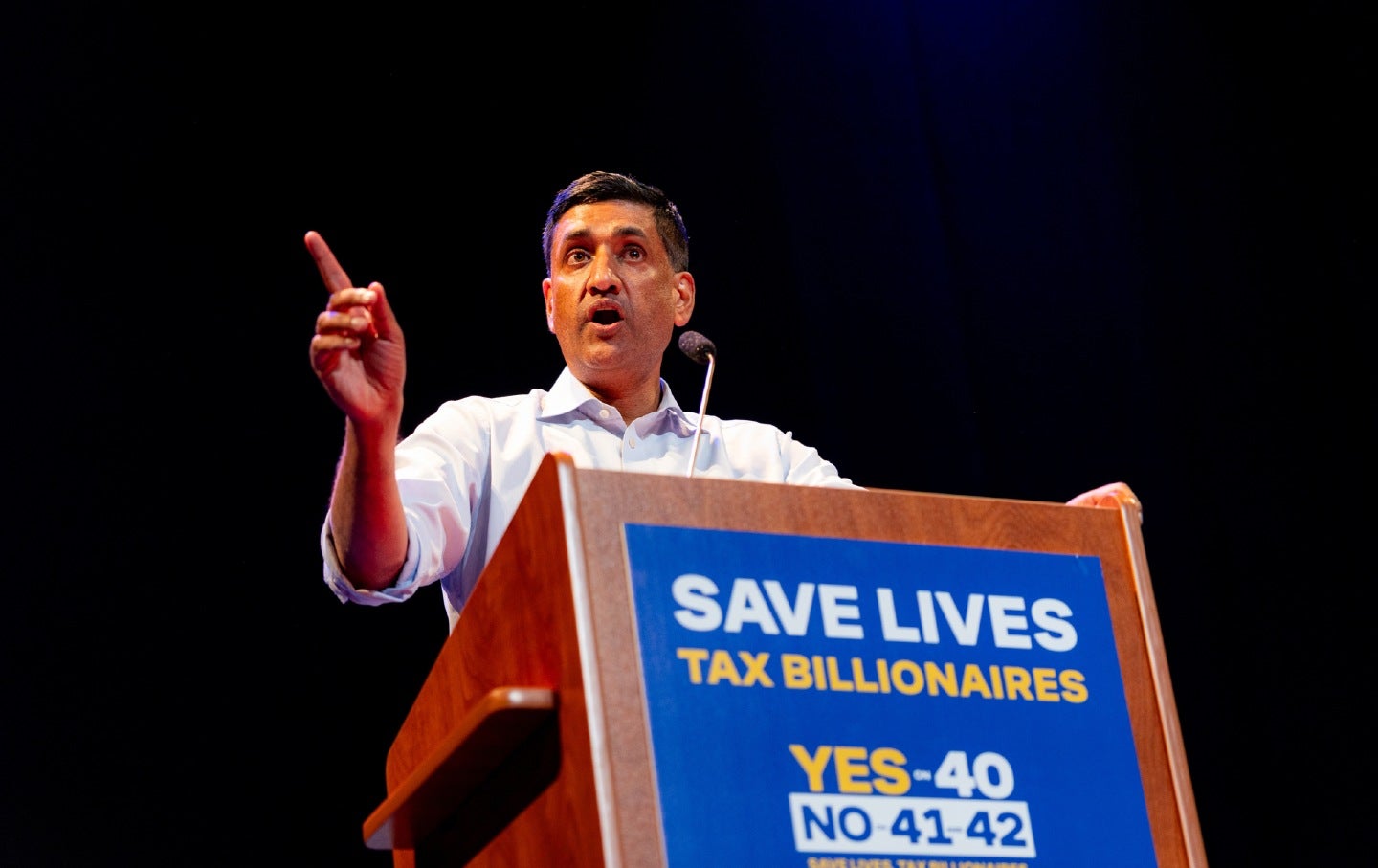
Representative Ro Khanna is out on the trail telling crowds he stands with the New Deal and against corporate Democrats. At rallies in California he has called himself and Senator Bernie Sanders the true heirs to Franklin Roosevelt's vision. That means bigger government, more spending programs, and a fresh Economic Bill of Rights that would hand Washington still greater control over jobs, wages, and housing. Khanna frames this as the only way to fight authoritarian threats and restore fairness. What he leaves out is how the original New Deal extended the Depression for millions of ordinary Americans through price controls, farm destruction, and union favoritism that locked out black workers and small businesses.
The California congressman is positioning himself for 2028 by attacking party leaders like Chuck Schumer as too moderate. He wants Democrats to drop any remaining talk of markets and lean hard into class warfare and state direction of the economy. Supporters in left-leaning outlets cheer this as a return to bold leadership. Yet the record shows the New Deal's central planning produced uneven results at best and entrenched dependency at worst. Today's version would likely repeat those mistakes on a larger scale, with green mandates, housing subsidies, and wealth transfers that favor connected insiders over working families.
Meanwhile, recent polling has drawn attention to softening support for President Trump among white evangelicals. Three surveys suggest a measurable drop since earlier peaks. Media outlets present this as a major shift that could hurt Republicans in the midterms. The numbers deserve scrutiny. Evangelical voters have long prioritized border security, religious liberty, and skepticism of endless foreign entanglements. Trump delivered on judges, moved the embassy to Jerusalem, and kept the country out of new wars. Any cooling may reflect normal midterm fatigue or specific local issues rather than a wholesale rejection of those priorities.
Khanna's revival of New Deal rhetoric offers little to voters concerned about inflation, open borders, and cultural overreach. His speeches ignore how Roosevelt's policies prolonged hardship and how similar ideas today crowd out private initiative. The same outlets pushing the evangelical poll story often treat Democratic nostalgia for the 1930s as fresh and exciting. In reality both threads point to an establishment still convinced that more federal power solves problems created by previous rounds of federal power.
Voters who backed Trump did so because they saw both parties drifting away from national interests. Khanna's pitch doubles down on the very approach that fueled that revolt. If the polls on evangelicals prove accurate, the reasons will likely trace to policy delivery on trade, immigration, and institutional trust rather than any sudden embrace of expanded welfare programs. The coming midterms will test whether Democrats can sell old central planning as new or whether Americans continue to favor restraint over another grand experiment in Washington control.
You just read America First's take. Want to read what actually happened?
More in Politics
Democrats Flip Senate, Expand House Majority in Midterms
Democrats flipped the Senate and expanded their House majority in a major rebuke to President Trump and Republicans. Key victories included multiple Senate seats and state-level wins that ended long-standing GOP dominance in places like Texas.
GOP Losses Spur Blame, Vance Distancing, 2028 Maneuvers
Republicans are pointing fingers internally after heavy losses, with Vice President JD Vance distancing himself from Trump over the Iran war and positioning for a potential 2028 run. Challengers within the party are already sensing opportunity.
Democrats Take House and Senate Amid Record Midterm Turnout
Democrats achieved decisive gains in the 2026 midterms, flipping seats to take control of both chambers. Coverage highlights historic turnout and implications for the Trump administration.
Democrats Take House and Senate, Constraining Trump
Democrats flipped both the House and Senate in a major rebuke to President Trump and Republicans. The results create divided government and set up battles over spending, oversight, and foreign policy for the remainder of Trump's term.
The Compass
You just read five takes on one story.
What's your take? Find your political shape in a few minutes.
Take the test