
Polls Show Drop in Trump Backing Among White Evangelicals
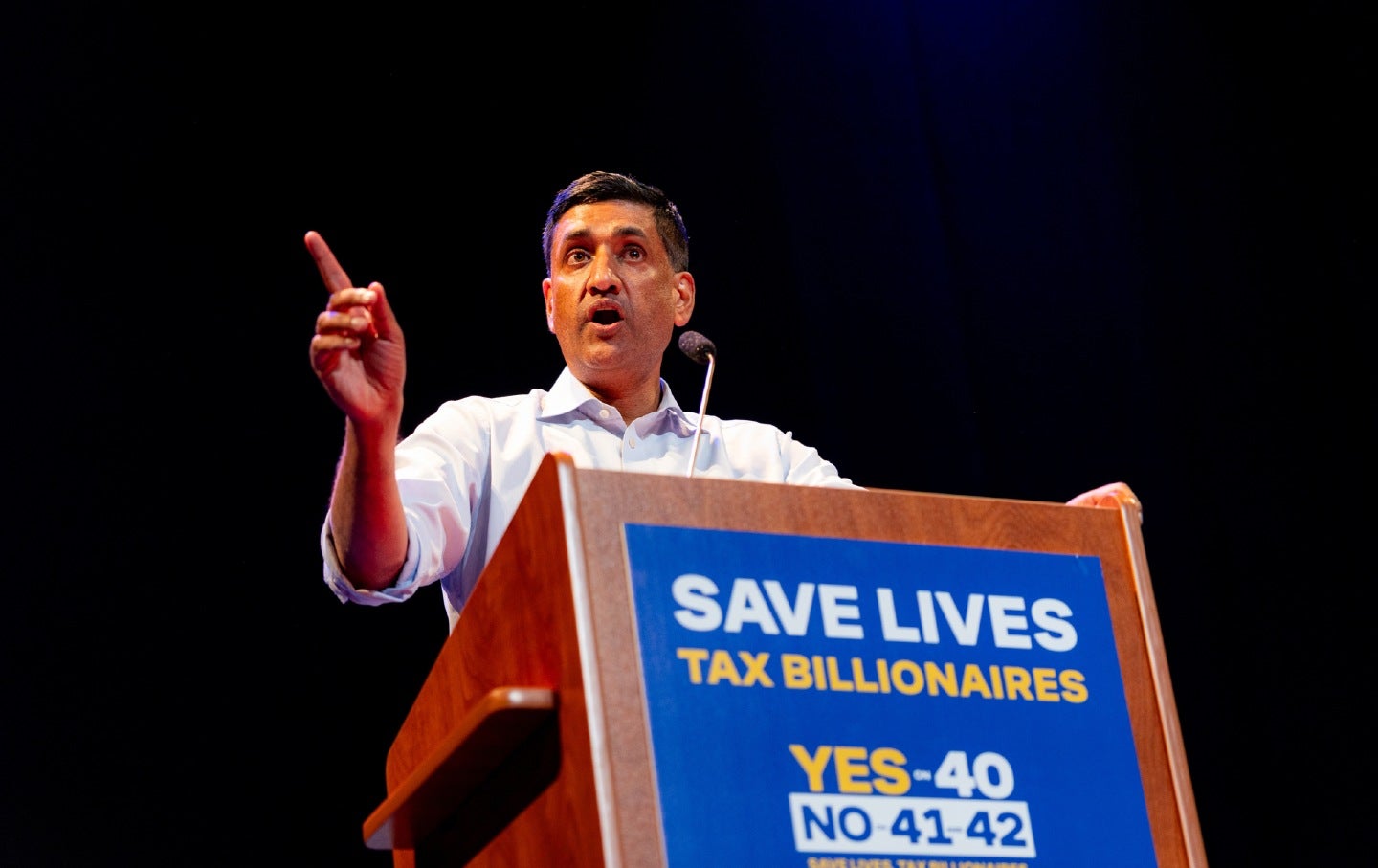
Cover image from thenation.com, which was analyzed for this article
New surveys show sharp drop in backing from key GOP constituency heading into midterms. Shift highlights potential vulnerabilities for Republicans in final campaign stretch.
PoliticalOS
Thursday, October 29, 2026 — Politics
Available reporting flags possible erosion in a key Republican constituency but provides no verifiable numbers or context. Readers cannot yet determine whether the reported change is statistically meaningful or electorally decisive.
What outlets missed
No outlet supplied the actual poll results, including margins of error or question wording, needed to assess whether the reported drop exceeds normal sampling variation. The provided coverage also omitted any discussion of possible causes such as specific policy disagreements or broader dissatisfaction. No reactions from evangelical leaders or Republican strategists appeared in the material.
Ro Khanna Challenges Democratic Leaders With Bold New Deal Revival
Representative Ro Khanna stood alongside Senator Bernie Sanders at a recent Los Angeles rally and declared the Democratic Party must return to its New Deal roots. The California congressman rejected corporate influence and neoliberal policies in direct terms, positioning himself as a leader ready to confront economic inequality and the authoritarian threats facing the country. His remarks echoed Franklin Roosevelt's own call for radical action during the Great Depression, a historical parallel Khanna has invoked repeatedly in recent speeches.
Khanna's comments came as part of the Ballots Over Billionaires events, which drew crowds focused on campaign finance reform and worker protections. He described the party as needing to choose between New Deal principles and the influence of figures like Senate Majority Leader Chuck Schumer. This framing highlights ongoing tensions within Democratic ranks over economic policy and political strategy ahead of the 2028 presidential cycle.
Supporters see Khanna's approach as a necessary response to voter frustration with stagnant wages and corporate power. Polling data from the same period shows President Trump's support among white evangelicals dropping sharply across three separate surveys, suggesting openings for Democrats willing to emphasize economic populism over centrist compromises. Khanna has argued that reclaiming FDR's Economic Bill of Rights offers a clearer path to building broad coalitions against authoritarian tendencies.
The congressman has drawn explicit connections between the 1930s crisis and current conditions, noting Roosevelt's recognition that the country required bold reforms to preserve democracy. Khanna's record includes consistent advocacy for higher minimum wages, expanded public investment, and limits on billionaire political spending. These positions align with the Sanders wing of the party while appealing to voters seeking concrete alternatives to status quo economics.
Critics within the Democratic establishment have questioned whether such rhetoric risks alienating moderate voters in swing districts. Khanna counters that failing to address concentrated wealth and corporate dominance cedes ground to right-wing populism. His recent tour of rallies and public statements indicates an effort to build momentum for a presidential bid grounded in historical Democratic achievements rather than incremental adjustments.
The shift in evangelical support for Trump, documented in fresh polling, underscores broader voter realignments that could favor candidates offering structural economic change. Khanna's emphasis on the New Deal era serves as both inspiration and blueprint, reminding audiences that past Democratic successes rested on aggressive government action to expand opportunity. As the party navigates internal debates, his interventions aim to redefine its direction toward bolder intervention on behalf of working families.
You just read Progressive's take. Want to read what actually happened?
More in Politics
Democrats Flip Senate, Expand House Majority in Midterms
Democrats flipped the Senate and expanded their House majority in a major rebuke to President Trump and Republicans. Key victories included multiple Senate seats and state-level wins that ended long-standing GOP dominance in places like Texas.
GOP Losses Spur Blame, Vance Distancing, 2028 Maneuvers
Republicans are pointing fingers internally after heavy losses, with Vice President JD Vance distancing himself from Trump over the Iran war and positioning for a potential 2028 run. Challengers within the party are already sensing opportunity.
Democrats Take House and Senate Amid Record Midterm Turnout
Democrats achieved decisive gains in the 2026 midterms, flipping seats to take control of both chambers. Coverage highlights historic turnout and implications for the Trump administration.
Democrats Take House and Senate, Constraining Trump
Democrats flipped both the House and Senate in a major rebuke to President Trump and Republicans. The results create divided government and set up battles over spending, oversight, and foreign policy for the remainder of Trump's term.
The Compass
You just read five takes on one story.
What's your take? Find your political shape in a few minutes.
Take the test