
Senate Panel Votes on Fauci Contempt After Fifth Amendment Refusal
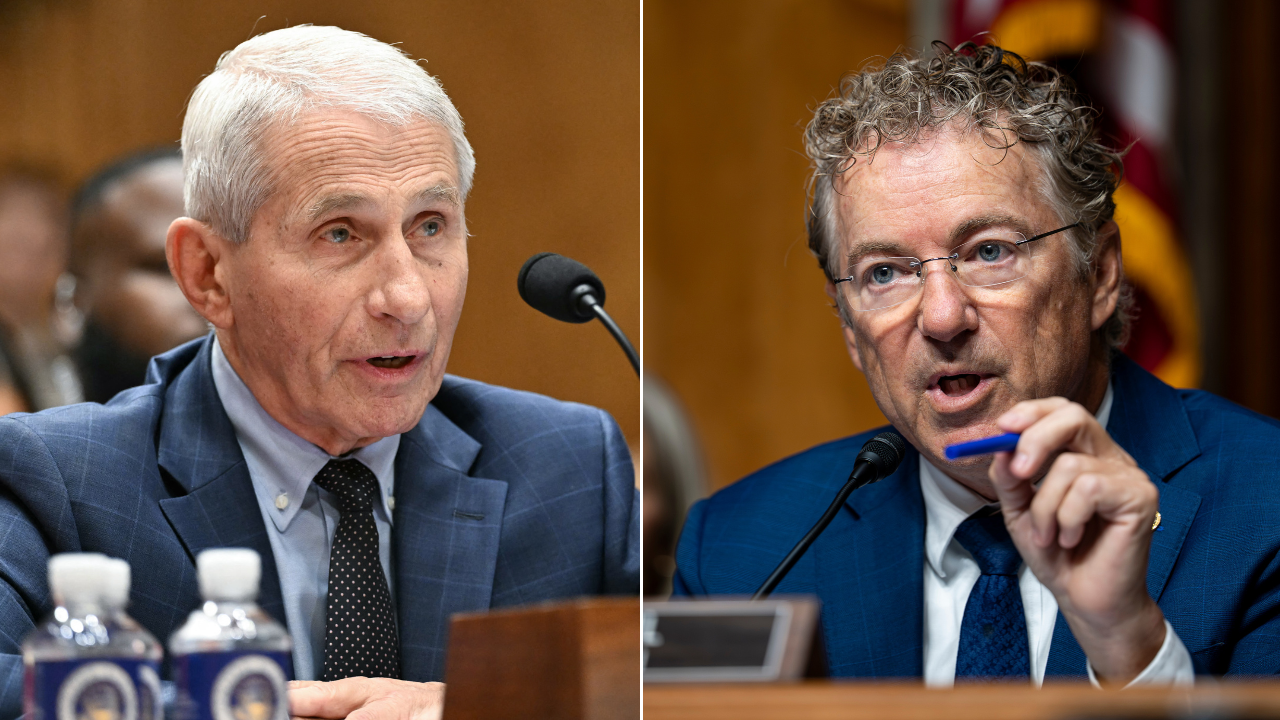
Cover image from foxnews.com, which was analyzed for this article
A Senate panel is set to vote on holding former NIH Director Anthony Fauci in contempt after he declined to answer questions. Coverage includes his cellphone being turned over and partisan divides on COVID accountability.
PoliticalOS
Thursday, August 6, 2026 — Politics
The contempt vote tests whether a presidential pardon blocks congressional compulsion of testimony and whether the Justice Department will pursue charges against a former official whose prior immunity covered the underlying conduct under review.
What outlets missed
The transfer of Fauci's government cellphone records to the Senate subcommittee, confirmed by Sen. Ron Johnson and first reported by the Wall Street Journal, received uneven coverage and was omitted from several procedural summaries. Three Republican state attorneys general launched a parallel investigation into potential personal financial benefits from pandemic guidance, a development reported only by the Washington Examiner. The precise scope of Biden's pardon and its explicit non-application to state prosecutions or new testimony was noted inconsistently, leaving the legal argument over the Fifth Amendment invocation incompletely framed in multiple accounts.
Senate Panel Advances Contempt Case Against Fauci as Phone Records Emerge
Senate Republicans are preparing to vote Thursday on holding Dr. Anthony Fauci in contempt of Congress after the former health official declined to answer questions more than 100 times during a recent hearing. The move comes as new details surface about Fauci's government-issued phone from the COVID era and private diary entries that show sharp criticism of President Trump.
The Senate Homeland Security and Governmental Affairs Committee, led by Sen. Rand Paul, is expected to approve a resolution that could send the matter directly to the Department of Justice for possible prosecution. Paul has argued that Fauci's repeated use of the Fifth Amendment was unnecessary because of a broad pardon issued by President Biden in his final days in office. That pardon covered federal actions from 2014 through January 2025, but it does not block state-level cases or charges tied to statements made under oath in the current proceedings.
Fauci, who led the National Institute of Allergy and Infectious Diseases for nearly four decades, told the committee that Paul was driven by an obsession and that the hearing was designed to trap him into a false statement. He spoke only in his opening remarks before invoking his right against self-incrimination for the rest of the session. Paul has countered that the pardon itself raises questions about what Fauci feared revealing.
The committee has obtained a copy of Fauci's COVID-era cellphone from the Department of Health and Human Services, now led by Secretary Robert F. Kennedy Jr. Sen. Ron Johnson confirmed the transfer and said the device could help answer questions Fauci refused to address. The panel has also received millions of additional pages of Fauci-related records from government servers, including diary entries in which Fauci described Trump as rambling, desperate, and incompetent.
Separately, attorneys general in Florida, West Virginia, and Louisiana have opened their own review of Fauci's pandemic role. Those state probes could proceed regardless of any federal outcome. Paul said he plans to send a referral to federal prosecutors immediately after the committee vote rather than waiting for a full Senate tally.
The developments follow years of congressional scrutiny over the origins of COVID-19 and the government's response. Critics have long questioned whether Fauci and other officials downplayed certain lab research ties while shaping public policy. Supporters of the contempt push say the phone records and diaries could finally provide clearer documentation of internal discussions.
In Michigan, Democrat Abdul El-Sayed defeated Rep. Haley Stevens in the Senate primary and will face Republican Rep. Mike Rogers in November. That race is viewed as competitive, but attention in Washington remains fixed on the Fauci matter and what the newly obtained records may reveal about decisions made during the pandemic years.
You just read America First's take. Want to read what actually happened?
More in Politics
Democrats Flip Senate, Expand House Majority in Midterms
Democrats flipped the Senate and expanded their House majority in a major rebuke to President Trump and Republicans. Key victories included multiple Senate seats and state-level wins that ended long-standing GOP dominance in places like Texas.
GOP Losses Spur Blame, Vance Distancing, 2028 Maneuvers
Republicans are pointing fingers internally after heavy losses, with Vice President JD Vance distancing himself from Trump over the Iran war and positioning for a potential 2028 run. Challengers within the party are already sensing opportunity.
Democrats Take House and Senate Amid Record Midterm Turnout
Democrats achieved decisive gains in the 2026 midterms, flipping seats to take control of both chambers. Coverage highlights historic turnout and implications for the Trump administration.
Democrats Take House and Senate, Constraining Trump
Democrats flipped both the House and Senate in a major rebuke to President Trump and Republicans. The results create divided government and set up battles over spending, oversight, and foreign policy for the remainder of Trump's term.
The Compass
You just read five takes on one story.
What's your take? Find your political shape in a few minutes.
Take the test