
Fauci invokes Fifth over 100 times in Senate COVID hearing
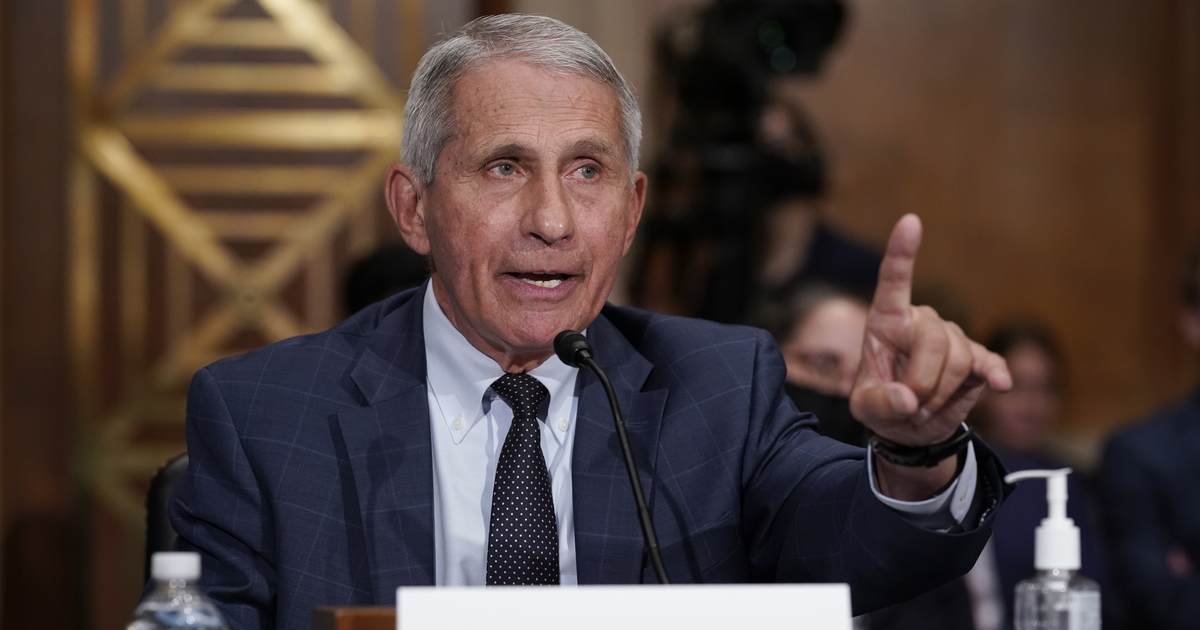
Cover image from redstate.com, which was analyzed for this article
Anthony Fauci testified before the Senate amid threats of contempt charges and sharp partisan attacks, with new diary excerpts fueling criticism from conservatives and defenses from supporters. Multiple outlets covered the contentious exchanges and political fallout.
PoliticalOS
Thursday, July 30, 2026 — Politics
Fauci’s repeated Fifth Amendment invocations occurred against the backdrop of a preemptive pardon and diary entries that Republicans say contradict his public statements on origins and school policy. The legal viability of contempt proceedings and the scope of any state investigation remain unresolved. Readers should weigh the documented diary language against the constitutional protection invoked and the partisan incentives on both sides.
What outlets missed
Most outlets omitted the full text of the 1896 Supreme Court precedent cited by Republicans that could test whether a pardon removes Fifth Amendment protection. Few reported the precise scope of Biden’s pardon (2014–2025) or the fact that it does not cover state crimes. Several accounts left out the 2023 ODNI report showing the FBI assessed a lab-associated origin with moderate confidence and the Department of Energy reached a similar conclusion with low confidence. The complete diary sentence acknowledging an animal-to-human jump alongside market doubts appeared in almost no coverage.
Fauci Invokes Fifth Amendment More Than 100 Times in Senate COVID Hearing
Anthony Fauci appeared before the Senate Homeland Security and Governmental Affairs Committee on Wednesday and declined to answer questions about his role in the COVID-19 response by invoking his Fifth Amendment rights more than 100 times. The former director of the National Institute of Allergy and Infectious Diseases faced a subpoena from committee chairman Rand Paul over issues including the origins of the virus and federal funding for research at the Wuhan Institute of Virology.
Paul told reporters after the hearing that the panel would pursue contempt of Congress proceedings against Fauci. The Kentucky senator has long argued that Fauci misled the public on the pandemic's likely lab origins while privately expressing doubts about natural emergence in his own notes. Documents released ahead of the session show Fauci wrote in early 2020 that the first infection was not connected to the Wuhan market, contradicting his public statements at the time.
Fauci's lawyer insisted the former official stood on solid legal ground despite the repeated refusals to testify. Paul dismissed that claim, noting his own medical background does not prevent him from recognizing basic congressional authority. Several Republican senators pressed Fauci on gain-of-function research and whether his agency supported risky experiments in China. He offered no responses.
Sen. Ted Cruz called Fauci the most damaging bureaucrat in American history and said he should face prosecution for perjury and contempt. Sen. Josh Hawley announced plans to close loopholes that allowed federal employees to collect large cash prizes, pointing to records showing Fauci received hundreds of thousands of dollars in awards during his tenure. Sen. Bernie Moreno directly challenged Fauci on the personal and economic costs of the policies he promoted.
Fauci received a broad pardon from President Biden covering activities from 2014 through early 2025, yet he still chose not to engage with the committee. President Trump later said he respected the pardon power but noted questions remain about how it was issued. Fauci was seen hours after the hearing walking near his Washington home and venting to his wife about being shouted at during the session.
The hearing highlighted ongoing divisions over accountability for decisions made during the pandemic. Paul has released extensive records showing differences between Fauci's private communications and his public messaging on virus origins. Lawmakers on the committee said the pattern of evasion only deepens public skepticism toward federal health agencies.
You just read America First's take. Want to read what actually happened?
More in Politics
Democrats Flip Senate, Expand House Majority in Midterms
Democrats flipped the Senate and expanded their House majority in a major rebuke to President Trump and Republicans. Key victories included multiple Senate seats and state-level wins that ended long-standing GOP dominance in places like Texas.
GOP Losses Spur Blame, Vance Distancing, 2028 Maneuvers
Republicans are pointing fingers internally after heavy losses, with Vice President JD Vance distancing himself from Trump over the Iran war and positioning for a potential 2028 run. Challengers within the party are already sensing opportunity.
Democrats Take House and Senate Amid Record Midterm Turnout
Democrats achieved decisive gains in the 2026 midterms, flipping seats to take control of both chambers. Coverage highlights historic turnout and implications for the Trump administration.
Democrats Take House and Senate, Constraining Trump
Democrats flipped both the House and Senate in a major rebuke to President Trump and Republicans. The results create divided government and set up battles over spending, oversight, and foreign policy for the remainder of Trump's term.
The Compass
You just read five takes on one story.
What's your take? Find your political shape in a few minutes.
Take the test