
Fauci invokes Fifth over 100 times in Senate COVID hearing
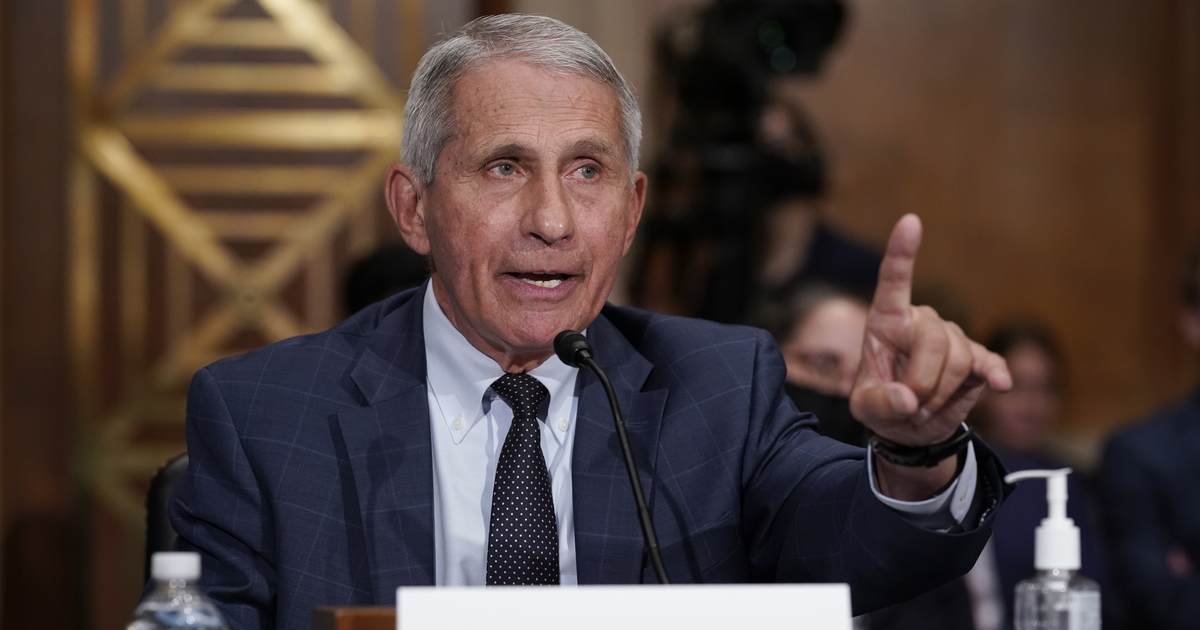
Cover image from redstate.com, which was analyzed for this article
Anthony Fauci testified before the Senate amid threats of contempt charges and sharp partisan attacks, with new diary excerpts fueling criticism from conservatives and defenses from supporters. Multiple outlets covered the contentious exchanges and political fallout.
PoliticalOS
Thursday, July 30, 2026 — Politics
Fauci’s repeated Fifth Amendment invocations occurred against the backdrop of a preemptive pardon and diary entries that Republicans say contradict his public statements on origins and school policy. The legal viability of contempt proceedings and the scope of any state investigation remain unresolved. Readers should weigh the documented diary language against the constitutional protection invoked and the partisan incentives on both sides.
What outlets missed
Most outlets omitted the full text of the 1896 Supreme Court precedent cited by Republicans that could test whether a pardon removes Fifth Amendment protection. Few reported the precise scope of Biden’s pardon (2014–2025) or the fact that it does not cover state crimes. Several accounts left out the 2023 ODNI report showing the FBI assessed a lab-associated origin with moderate confidence and the Department of Energy reached a similar conclusion with low confidence. The complete diary sentence acknowledging an animal-to-human jump alongside market doubts appeared in almost no coverage.
Fauci Faces Partisan Firestorm Over Fifth Amendment Invocations at Senate Hearing
Anthony Fauci invoked his Fifth Amendment rights against self-incrimination more than 100 times during a combative Senate hearing on Wednesday, prompting Republican lawmakers to threaten contempt proceedings and even jail time. The former National Institute of Allergy and Infectious Diseases director appeared before the Senate Committee on Homeland Security and Governmental Affairs, led by Sen. Rand Paul, in response to a subpoena tied to ongoing investigations into the COVID-19 pandemic response.
Fauci's attorney quickly pushed back on any notion of legal jeopardy, describing his client as being on "solid legal ground." The lawyer noted that Paul, a physician, is not qualified to assess the constitutional protections at play. Fauci, 85, declined to answer questions about his handling of the pandemic, including funding for research at the Wuhan Institute of Virology and public statements on the virus's origins, citing advice from counsel.
Paul suggested after the session that Fauci could face prosecution for his refusal to engage, though the scope remains unclear given a preemptive pardon issued by former President Joe Biden at the end of his term. The pardon covers activities from 2014 through January 2025, effectively shielding Fauci from federal charges related to that period. Paul indicated his committee would pursue contempt charges next week, a move echoed by Sen. Ted Cruz, who labeled Fauci "America's most damaging bureaucrat" and called for perjury charges.
Other Republicans, including Sen. Josh Hawley, used the hearing to highlight cash prizes Fauci received while in government service, announcing legislation to close perceived loopholes allowing federal employees to accept such awards. Hawley claimed Fauci exploited the system to amass significant sums amid the pandemic.
Fauci's private diaries, released by Paul ahead of the hearing, reveal the doctor dismissed certain lab-leak reporting as "nonsense" and expressed private doubts about the wet market as the pandemic's sole origin point. These entries have fueled Republican accusations of a cover-up, though Fauci has consistently denied wrongdoing and attributed the pandemic's start to natural causes in public statements.
Critics of the proceedings argue the session amounted to political theater rather than a substantive inquiry. Invoking the Fifth Amendment is a standard constitutional safeguard, and the blanket pardon removes much of the leverage Republicans claim to hold. Fauci's team has framed the repeated invocations as necessary to avoid entrapment in a hostile environment, where even basic questions carried risks of selective prosecution.
The hearing follows years of partisan attacks on Fauci, who served under seven presidents and became a lightning rod during the pandemic for his public health guidance. Democrats on the committee, including Sen. Richard Blumenthal, defended the former official's record while questioning the motives behind the contempt push. With control of the Senate at stake in upcoming elections, the episode underscores how COVID-era grievances continue to drive legislative priorities on the right.
Fauci was seen later that evening walking with his wife near their Washington home, appearing to vent frustration over the day's events. His legal team maintains that any contempt effort would face steep hurdles in court, given the pardon and the protections afforded by the Fifth Amendment itself.
You just read Progressive's take. Want to read what actually happened?
More in Politics
Democrats Flip Senate, Expand House Majority in Midterms
Democrats flipped the Senate and expanded their House majority in a major rebuke to President Trump and Republicans. Key victories included multiple Senate seats and state-level wins that ended long-standing GOP dominance in places like Texas.
GOP Losses Spur Blame, Vance Distancing, 2028 Maneuvers
Republicans are pointing fingers internally after heavy losses, with Vice President JD Vance distancing himself from Trump over the Iran war and positioning for a potential 2028 run. Challengers within the party are already sensing opportunity.
Democrats Take House and Senate Amid Record Midterm Turnout
Democrats achieved decisive gains in the 2026 midterms, flipping seats to take control of both chambers. Coverage highlights historic turnout and implications for the Trump administration.
Democrats Take House and Senate, Constraining Trump
Democrats flipped both the House and Senate in a major rebuke to President Trump and Republicans. The results create divided government and set up battles over spending, oversight, and foreign policy for the remainder of Trump's term.
The Compass
You just read five takes on one story.
What's your take? Find your political shape in a few minutes.
Take the test