
Fauci Invokes Fifth at Hearing on Pandemic Diary and Origins
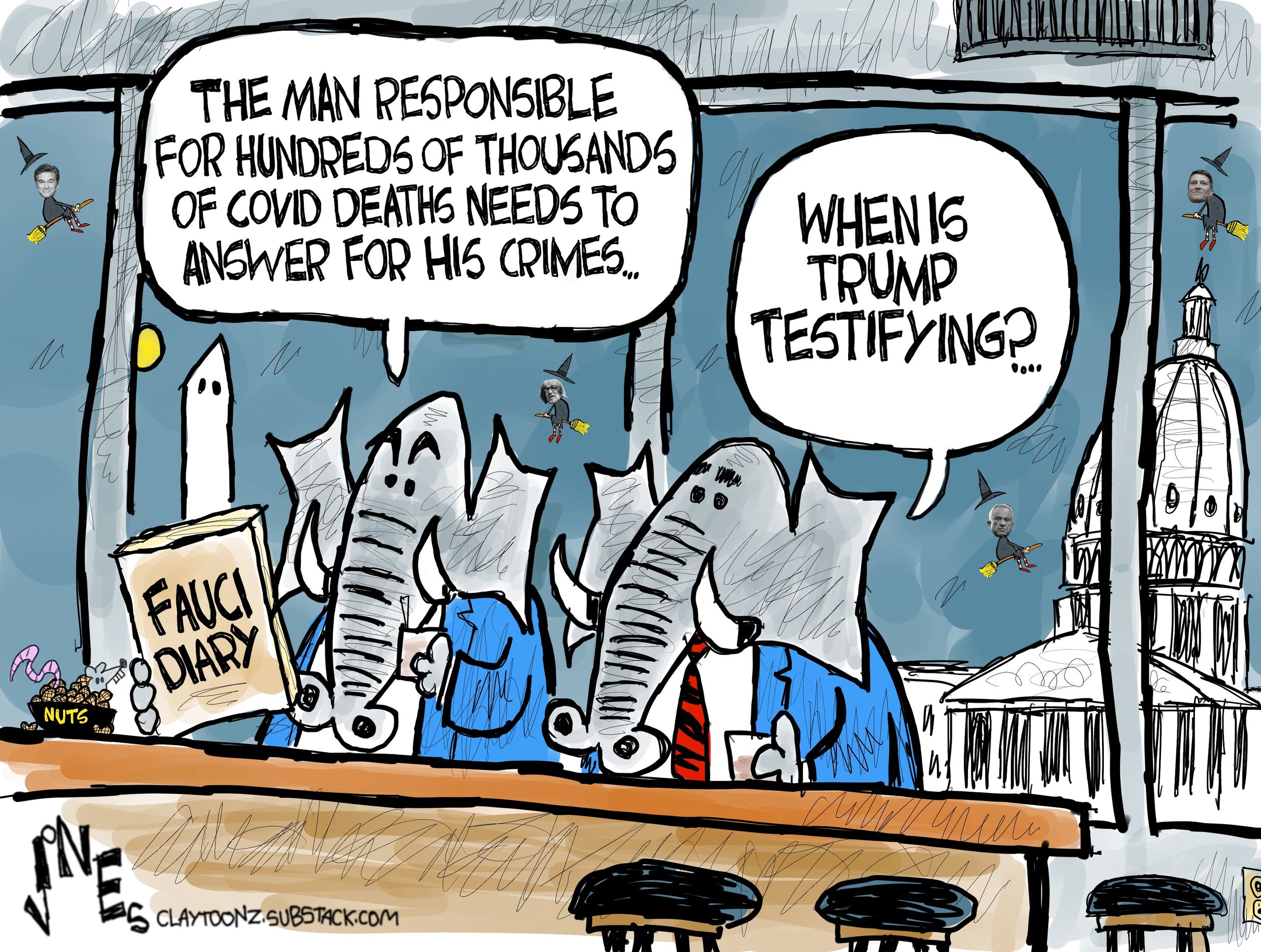
Cover image from theweek.com, which was analyzed for this article
Anthony Fauci faces Senate questioning with renewed focus on his pandemic role, including diary revelations about TV appearances and pardon implications. Both sides debate his influence and accountability.
PoliticalOS
Saturday, August 1, 2026 — Politics
Fauci’s diary documents extensive efforts to secure television time and track critics, while his Fifth Amendment invocations at the July 2026 hearing leave key questions about pandemic decision-making unanswered. The Biden pardon limits criminal exposure to perjury, shifting remaining accountability to Congress and public record. Disputed details across coverage underscore the need to separate verified diary entries and hearing transcripts from interpretive claims.
What outlets missed
Multiple outlets omitted that the diary release occurred immediately before the July 29-30 hearing and that the committee examined only origins records and diary entries rather than earlier treatment disputes. No outlet independently verified the claim that RFK Jr. supplied the diaries. The COVID Tracking Project’s role in filling CDC daily-data gaps received little attention despite its direct relevance to early reporting failures. Senate rules on contempt votes and the 60-vote threshold for floor action were rarely explained. Fauci’s 2022 Seattle Mariners ovation entry criticizing a Washington Examiner video was cited selectively without noting the full context of audience reaction.
Fauci Pleads Fifth at Senate Hearing After Biden Pardon Sparks Suspicion
Dr. Anthony Fauci declined to answer questions from senators this week about his role in the COVID-19 response, repeatedly invoking the Fifth Amendment during a hearing before the Senate Homeland Security Committee. The former National Institutes of Health official had been granted a broad pardon by President Joe Biden before leaving office, yet still refused to engage with queries on pandemic policies, vaccine mandates, and early virus origins.
Radio host Charlamagne tha God voiced open skepticism about the move on his show, noting that a pardon would not be necessary if nothing improper occurred. He described the refusal to testify as suspicious and pointed out that innocent people have nothing to fear from direct questions. Co-hosts pushed back by citing legal advice, but Charlamagne maintained that clean hands should allow straightforward answers rather than silence.
A newly released 1,141-page diary from Fauci revealed extensive focus on media coverage and personal visibility. The word press appeared nearly 1,400 times across entries, clippings, and schedules. Fauci repeatedly pressed Vice President Mike Pence and other Trump administration aides for additional television slots as his public profile grew. References to far-right critics and conspiracy theories appeared dozens of times, showing private frustration with those questioning official narratives on lockdowns and lab research.
Data examined during the same period by independent trackers highlighted inconsistencies in early reporting from health agencies. Cases in Washington state were downplayed until clusters emerged in nursing homes, yet public messaging emphasized broad restrictions without clear evidence of widespread community spread at the outset. Critics argue this approach prioritized control over precision and eroded trust when outcomes diverged from predictions.
The hearing comes amid ongoing debate over gain-of-function research funding and communications between Fauci and international partners. Committee Chairman Rand Paul has indicated further action may follow the non-answers, including potential contempt proceedings. Even voices outside traditional conservative circles now question why a blanket pardon preceded the invocation of constitutional protections against self-incrimination.
Public records and private notes together paint a picture of an official more concerned with shaping perception than with transparent accountability. Americans remain divided on whether the episode represents closure or an unfinished chapter in the handling of the pandemic.
You just read America First's take. Want to read what actually happened?
More in Politics
Democrats Flip Senate, Expand House Majority in Midterms
Democrats flipped the Senate and expanded their House majority in a major rebuke to President Trump and Republicans. Key victories included multiple Senate seats and state-level wins that ended long-standing GOP dominance in places like Texas.
GOP Losses Spur Blame, Vance Distancing, 2028 Maneuvers
Republicans are pointing fingers internally after heavy losses, with Vice President JD Vance distancing himself from Trump over the Iran war and positioning for a potential 2028 run. Challengers within the party are already sensing opportunity.
Democrats Take House and Senate Amid Record Midterm Turnout
Democrats achieved decisive gains in the 2026 midterms, flipping seats to take control of both chambers. Coverage highlights historic turnout and implications for the Trump administration.
Democrats Take House and Senate, Constraining Trump
Democrats flipped both the House and Senate in a major rebuke to President Trump and Republicans. The results create divided government and set up battles over spending, oversight, and foreign policy for the remainder of Trump's term.
The Compass
You just read five takes on one story.
What's your take? Find your political shape in a few minutes.
Take the test