
Fauci Invokes Fifth at Hearing on Pandemic Diary and Origins
Cover image from theweek.com, which was analyzed for this article
Anthony Fauci faces Senate questioning with renewed focus on his pandemic role, including diary revelations about TV appearances and pardon implications. Both sides debate his influence and accountability.
PoliticalOS
Saturday, August 1, 2026 — Politics
Fauci’s diary documents extensive efforts to secure television time and track critics, while his Fifth Amendment invocations at the July 2026 hearing leave key questions about pandemic decision-making unanswered. The Biden pardon limits criminal exposure to perjury, shifting remaining accountability to Congress and public record. Disputed details across coverage underscore the need to separate verified diary entries and hearing transcripts from interpretive claims.
What outlets missed
Multiple outlets omitted that the diary release occurred immediately before the July 29-30 hearing and that the committee examined only origins records and diary entries rather than earlier treatment disputes. No outlet independently verified the claim that RFK Jr. supplied the diaries. The COVID Tracking Project’s role in filling CDC daily-data gaps received little attention despite its direct relevance to early reporting failures. Senate rules on contempt votes and the 60-vote threshold for floor action were rarely explained. Fauci’s 2022 Seattle Mariners ovation entry criticizing a Washington Examiner video was cited selectively without noting the full context of audience reaction.
Rand Paul turns Fauci hearing into latest partisan spectacle
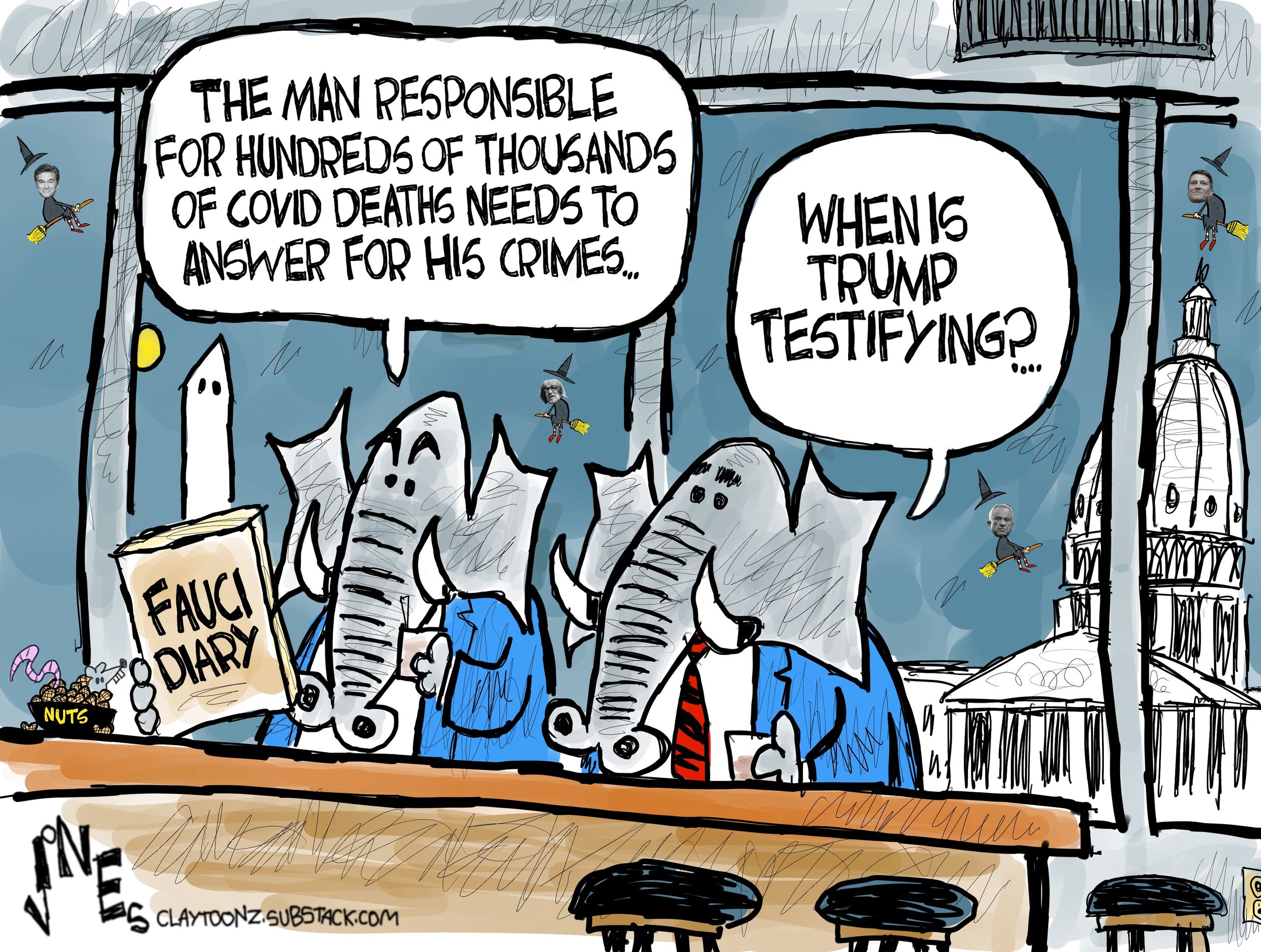
Senate Republicans used a hearing this week to press Anthony Fauci on his pandemic-era decisions, prompting the former National Institutes of Health official to invoke the Fifth Amendment on the advice of counsel after receiving a broad pardon from President Biden. The session, led by Sen. Rand Paul, focused on questions about virus origins, vaccine policies and internal communications, but it quickly circled back to long-standing grievances that have defined conservative attacks on public health officials since 2020.
Fauci, who served under both Republican and Democratic administrations, declined to answer many queries directly. Paul and other Republicans framed the move as evidence of hidden wrongdoing, pointing to the pardon itself as suspicious. Radio host Charlamagne tha God echoed some of that skepticism on his show, noting that the need for protection from prosecution raised eyebrows even among those not aligned with conspiracy claims about Fauci engineering or profiting from the crisis. Yet the pardon came amid explicit threats from incoming Trump administration figures to pursue investigations targeting Biden allies and Jan. 6 committee members, a context that underscores the political nature of the current probe.
Released diary entries from Fauci, made public by Paul's committee, show the doctor tracking media coverage and seeking additional television slots through Vice President Mike Pence's office during the height of the outbreak. Critics seized on phrases about "far right" opponents and references to press appearances as proof of ego-driven behavior. Supporters counter that any high-profile official managing a national emergency would monitor coverage and push for clear messaging amid mixed signals from the White House at the time. The entries do not reveal new evidence of misconduct but instead highlight the intense pressure on scientists navigating daily briefings and shifting guidance on masks, school closures and treatments.
The hearing's timing, years after the acute phase of the pandemic, illustrates how little distance some in Congress have traveled from that period's divisions. Economic data from the COVID Tracking Project and other analyses show the United States avoided the worst fiscal collapse seen in prior crises, thanks in part to coordinated federal responses that included vaccine development under Operation Warp Speed. Still, Paul and allies continue to revisit unproven lab-leak theories and mandate disputes rather than examining broader failures in testing infrastructure or hospital capacity that predated Fauci's public role.
Biden's pardon explicitly covered Fauci and others to shield them from selective prosecutions, a step taken as Trump allies promised retribution. Democrats on the committee argued the session served little legislative purpose and instead recycled talking points that have circulated on conservative media for years. Fauci's decision to limit answers avoided turning the proceeding into a trap, especially given the absence of new documents proving criminal acts.
Public trust in health institutions remains strained, yet the pattern of congressional focus on one individual distracts from systemic issues like underfunded local health departments and inconsistent state-level policies during the outbreak. Republicans' insistence on relitigating 2020 suggests the political utility of the pandemic has not yet expired for them, even as everyday Americans have long sought to move forward from the lockdowns and losses that defined that year.
You just read Progressive's take. Want to read what actually happened?
More in Politics
Democrats Flip Senate, Expand House Majority in Midterms
Democrats flipped the Senate and expanded their House majority in a major rebuke to President Trump and Republicans. Key victories included multiple Senate seats and state-level wins that ended long-standing GOP dominance in places like Texas.
GOP Losses Spur Blame, Vance Distancing, 2028 Maneuvers
Republicans are pointing fingers internally after heavy losses, with Vice President JD Vance distancing himself from Trump over the Iran war and positioning for a potential 2028 run. Challengers within the party are already sensing opportunity.
Democrats Take House and Senate Amid Record Midterm Turnout
Democrats achieved decisive gains in the 2026 midterms, flipping seats to take control of both chambers. Coverage highlights historic turnout and implications for the Trump administration.
Democrats Take House and Senate, Constraining Trump
Democrats flipped both the House and Senate in a major rebuke to President Trump and Republicans. The results create divided government and set up battles over spending, oversight, and foreign policy for the remainder of Trump's term.
The Compass
You just read five takes on one story.
What's your take? Find your political shape in a few minutes.
Take the test