
Fauci Testifies on COVID Origins Amid Diary Release
Cover image from thefederalist.com, which was analyzed for this article
Anthony Fauci faces Senate questioning from Rand Paul over COVID origins and decisions, with newly released diary entries drawing scrutiny from both parties. Coverage spans major outlets examining accountability and public health policy.
PoliticalOS
Wednesday, July 29, 2026 — Politics
The hearing tests whether diary entries reveal inconsistencies between Fauci’s private notes and public statements on origins and policy. Readers should weigh the documented intelligence divisions and the legal limits of one official’s authority against claims of personal culpability.
What outlets missed
Several outlets omitted the specific March 2020 CMS guidance that directly shaped nursing-home visitor bans, instead attributing restrictions solely to Fauci. Few reported the exact volume of diary pages (1,141) or the fact that HHS Secretary Robert F. Kennedy Jr. confirmed retrieval from government servers. Most also left out Lawrence Tabak’s 2024 congressional testimony confirming that the EcoHealth grant met gain-of-function criteria under NIH definitions, and the 2025 White House statement endorsing a lab origin.
Rand Paul Pushes Partisan Probe Into Fauci As Diaries Emerge
Sen. Rand Paul convened a Senate Homeland Security and Governmental Affairs Committee hearing Wednesday to question Dr. Anthony Fauci on the origins of COVID-19, reviving years of Republican scrutiny over the former National Institute of Allergy and Infectious Diseases director's role in the pandemic response.
The session, which featured Fauci appearing under subpoena, centered on claims that U.S.-funded research in China may have contributed to the virus and that Fauci misled the public about its possible laboratory origins. Paul, the committee chair, released more than 1,000 pages of Fauci's diary entries in advance, along with earlier documents spanning his career. Republicans have pointed to entries showing Fauci's early private doubts about a wet-market source for the outbreak as evidence of a cover-up.
Fauci, who advised seven presidents across five decades and retired in 2022, has consistently rejected the accusations as baseless. His attorneys described the investigation as an obsessive vendetta lacking evidence. Scientists have long characterized the lab-leak hypothesis as unlikely, though the precise starting point of the pandemic remains unsettled.
Paul has accused Fauci of failing to apologize for supporting gain-of-function research that he described as dangerous. During pre-hearing remarks, the Kentucky Republican highlighted what he called a profound judgment error in funding such work in Wuhan. The diaries also captured Fauci's notes on media attention and interactions with journalists, which some outlets have used to question press independence during the crisis.
The hearing follows a pattern of congressional investigations led by Republicans since the pandemic began. Earlier sessions and document releases have focused on Fauci's communications with colleagues and his public statements on masks, school closures, and virus origins. Fauci previously testified before Congress on these matters and has maintained that his positions evolved with emerging data.
Critics of the current probe argue it distracts from broader lessons about pandemic preparedness and instead targets a career public-health official who guided responses to HIV, Ebola, and prior coronavirus threats. Supporters of the inquiry say it is necessary to examine taxpayer-funded research and restore accountability.
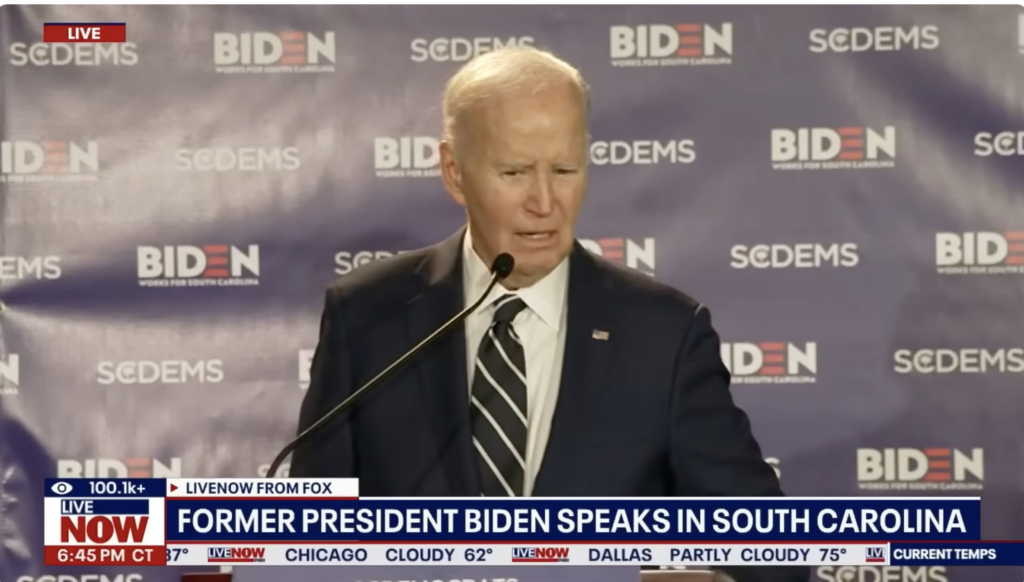
Fauci's appearance comes after former President Biden issued a preemptive pardon covering his pandemic-related actions. Republican lawmakers have suggested the pardon would not protect against potential perjury charges if new testimony conflicts with prior statements.
The diaries, stored on government servers and made public by Paul's office, include entries from 2020 onward that reflect Fauci's contemporaneous thoughts on the outbreak. Portions had already surfaced in his memoir and interviews, showing uncertainty common among experts racing to understand a novel pathogen.
Wednesday's exchange is expected to revisit longstanding disagreements over whether certain research practices posed unacceptable risks and whether public messaging adequately distinguished between evolving science and firm conclusions.
You just read Progressive's take. Want to read what actually happened?
More in Politics
Democrats Flip Senate, Expand House Majority in Midterms
Democrats flipped the Senate and expanded their House majority in a major rebuke to President Trump and Republicans. Key victories included multiple Senate seats and state-level wins that ended long-standing GOP dominance in places like Texas.
GOP Losses Spur Blame, Vance Distancing, 2028 Maneuvers
Republicans are pointing fingers internally after heavy losses, with Vice President JD Vance distancing himself from Trump over the Iran war and positioning for a potential 2028 run. Challengers within the party are already sensing opportunity.
Democrats Take House and Senate Amid Record Midterm Turnout
Democrats achieved decisive gains in the 2026 midterms, flipping seats to take control of both chambers. Coverage highlights historic turnout and implications for the Trump administration.
Democrats Take House and Senate, Constraining Trump
Democrats flipped both the House and Senate in a major rebuke to President Trump and Republicans. The results create divided government and set up battles over spending, oversight, and foreign policy for the remainder of Trump's term.
The Compass
You just read five takes on one story.
What's your take? Find your political shape in a few minutes.
Take the test