
Powell to Stay on Fed Board as Criticism Mounts Over Rates, Inflation
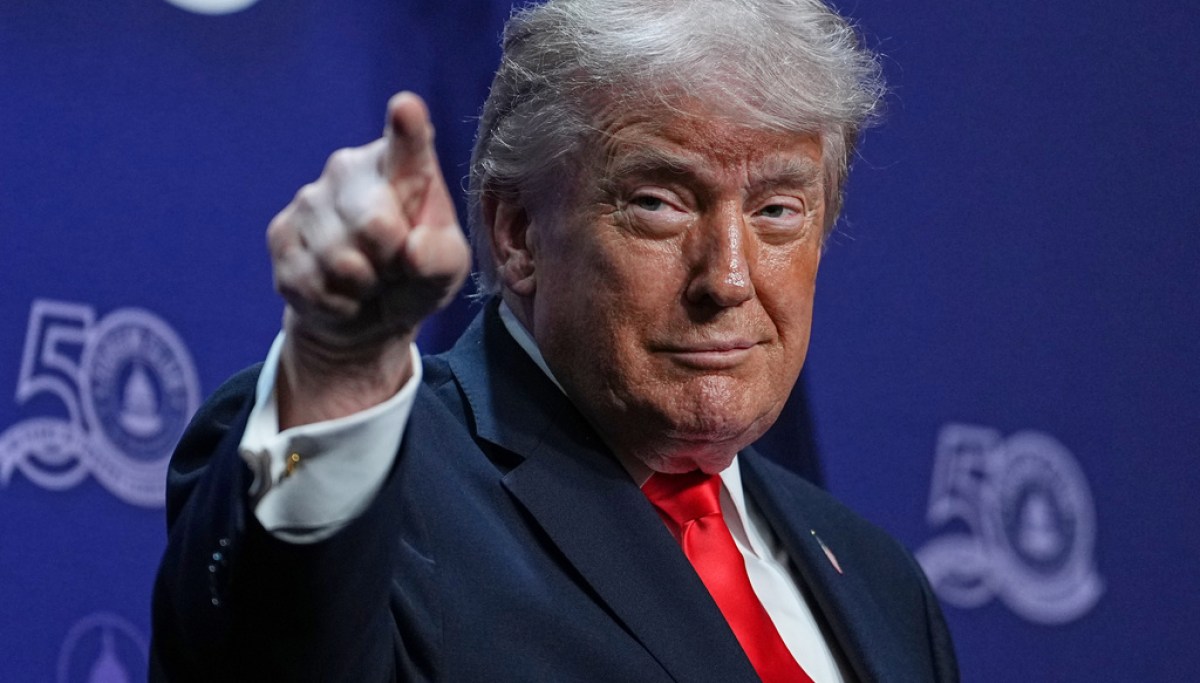
Cover image from washingtonexaminer.com, which was analyzed for this article
Criticism mounts against Fed Chair Powell with calls for his replacement as markets anticipate rate cuts to spur growth despite sticky inflation and rising energy costs. Incoming figures like Kevin Warsh eyed. Q1 GDP rose 2.0% but gas tops $4.
PoliticalOS
Tuesday, May 5, 2026 — Business
Jerome Powell will remain a Federal Reserve governor past his chairmanship to see through an inspector general review of building renovation costs, even as President Trump nominates Kevin Warsh to lead the central bank and political pressure grows for faster rate cuts. No criminal evidence has emerged from the probe, which a federal judge previously described as appearing aimed at influencing monetary policy. With gas above $4 a gallon and inflation still above target, the central unresolved question is whether the Fed can maintain operational independence while both parties debate relief measures and leadership change.
What outlets missed
Most outlets omitted that Powell himself requested the inspector general review of renovation costs in July 2025, well before the Pirro probe began. This undercuts narratives of purely external harassment. Coverage also gave short shrift to the precise legal status of the expired grand jury and the fact that no criminal evidence has been made public despite months of inquiry. Axios and others highlighted gas-tax relief mechanics but rarely connected rising energy costs to the Fed's rate dilemma or noted bipartisan governor skepticism toward tax holidays. Finally, unverified inflation batting-average statistics and disputed recession claims from opinion columns were presented without clear caveats or cross-checks against BEA and Fed data releases.
Drivers filling up at more than $4 per gallon are watching the Federal Reserve with growing unease. Sticky inflation, a first-quarter GDP expansion of 2.0 percent and energy costs lifted by global supply disruptions have markets pricing in rate cuts to support growth, yet Fed Chair Jerome Powell's announcement that he will remain a board governor after his term ends on May 15 has sharpened debate over leadership at the central bank. President Trump's nominee to succeed him, Kevin Warsh, faces delays in confirmation.
The mechanics trace to late April. Powell stated he would stay on the seven-member board until an investigation into the Fed's headquarters renovation receives "transparency and finality." U.S. Attorney for the District of Columbia Jeanine Pirro had opened a probe in November into cost overruns on the project, estimated near $2 billion, and Powell's congressional testimony about it. Chief Judge James Boasberg quashed Pirro's subpoenas in March and upheld the ruling in April, writing that the effort appeared aimed at pressuring Powell to cut rates faster. On May 3 Pirro asked the judge to vacate those rulings, effectively ending any immediate appeal while leaving open the possibility of a new investigation once a Fed inspector general report is complete. The grand jury that issued the original subpoenas has expired, according to court filings.
Critics have seized on Powell's record. One conservative commentator noted that inflation reached 9 percent in mid-2022 after the Fed described early price pressures as "transitory." Supporters counter that the central bank acted aggressively once the surge became clear and that Powell's tenure included the only recent period when inflation briefly touched the 2 percent target range in early 2021. Independent data from the Bureau of Economic Analysis and the Fed itself show PCE inflation averaged roughly 3 percent across his chairmanship; exact monthly tallies cited in some columns could not be independently verified. No recession followed the 2018 rate hikes, as GDP grew 2.9 percent that year.
Political crosscurrents complicate the picture. Senate Democrats including Elizabeth Warren voted last week against advancing Warsh's nomination, arguing the legal cloud over the Fed must lift first. Trump administration officials dropped the renovation inquiry on April 24. Powell had himself requested the inspector general review in July 2025. Axios reported that some high-profile Democrats, including Senate nominee James Talarico in Texas and Sen. Mark Kelly of Arizona, have proposed suspending the 18.4-cent federal gas tax and 24.4-cent diesel tax to blunt price spikes that reached $4.48 a gallon this week per AAA data. The White House said a suspension is not under active consideration but has not ruled it out; Rapidan Energy Group placed the odds of congressional action at 25 percent if prices remain elevated into summer. A five-month holiday would reduce Highway Trust Fund revenue by roughly $17 billion, according to Bipartisan Policy Center projections that could not be independently verified in primary documents.
Broader Republican efforts to reshape congressional maps in states including Indiana have drawn separate attention. Trump endorsed primary challengers to several GOP state senators who blocked a redistricting plan that could have added Republican House seats. Those disputes remain distinct from monetary policy yet illustrate the administration's willingness to press institutional levers. Across these threads one tension persists: how independently the Fed can set rates while political actors on both sides weigh in on everything from building costs to fuel taxes. Powell has maintained the central bank answers to the law, not any president. Markets will test that stance in coming months as fresh inflation and employment data arrive.
More in Business & Economy

Major Banks Deliver Mixed Q3 Results on Trading Beats
JPMorgan, Goldman Sachs, Citigroup, and Wells Fargo reported Q3 figures, with revenue beats in trading but some estimate misses. CNBC provided live updates on the results and market reactions.

Oil Falls on Russian Diesel Outlook Despite Geopolitical Risks
Dow futures rose while Nasdaq faced pressure from tech weakness and elevated oil after geopolitical spikes. CNBC tracked premarket moves tied to earnings and Fed speeches.

Hall and Woodford Win Economics Nobel for Stabilization Models
American economists Robert E. Hall and Michael Woodford won the Nobel memorial prize for their research on managing economies through booms and busts, informing central bank policies on inflation and unemployment.

Skydance Closes Paramount-Warner Bros. Discovery Deal
The long-delayed media mega-merger cleared hurdles and began operations under Skydance, consolidating Hollywood power. Center and center-left outlets track the regulatory and business milestones.
The Compass
You just read five takes on one story.
What's your take? Find your political shape in a few minutes.
Take the test