
Fed Raises Rates 0.25 Points to Fight Inflation Despite Trump Pushback
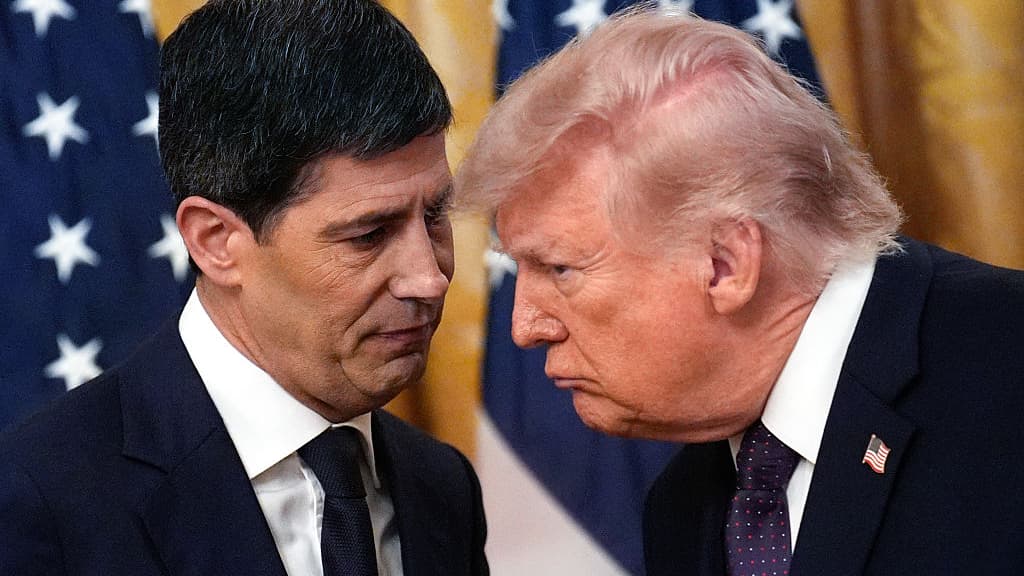
Cover image from time.com, which was analyzed for this article
The Federal Reserve hiked its benchmark rate by 0.25 points in a unanimous vote, its first since 2023, to combat inflation tied to energy shocks. President Trump publicly attacked the decision and called for cuts weeks before midterms.
PoliticalOS
Tuesday, September 15, 2026 — Business
The Federal Reserve acted unanimously to raise rates in response to inflation that has not returned to its 2 percent target, even as the president who appointed its chairman publicly opposed the move. The central tension remains how many further increases will follow and whether political pressure will test the institution’s independence before inflation eases.
What outlets missed
Most coverage omitted the Congressional Budget Office projection that the Iran conflict would add roughly 0.5 percentage points to personal consumption expenditures inflation in the first quarter of next year. Few outlets detailed the historical record of five prior election-year rate changes since 1994 occurring with similar or less lead time before voting. The specific August inflation reading of 3.4 percent and gasoline price jump to $4.43 received inconsistent mention, leaving the scale of the energy shock unquantified in several accounts. No outlet examined the full dot-plot distribution beyond the year-end expectation or the 2028-2029 rate forecasts that officials raised.
Higher borrowing costs now confront American households and businesses after the Federal Reserve raised its benchmark federal funds rate by a quarter percentage point to a target range of 3.75 to 4 percent. The move, the first increase since 2023, aims to slow inflation that reached 3.4 percent year-over-year in August, up from 2.4 percent in February, amid energy price spikes linked to supply disruptions in the Strait of Hormuz and the Red Sea following the U.S.-Israel conflict with Iran, plus tariff effects. Consumers already face a national average gasoline price of $4.43 per gallon, compared with $3.20 a year earlier.
The Federal Open Market Committee voted unanimously, with all 12 members supporting the action. Chairman Kevin Warsh, appointed by President Trump in May, described the step as a sober, serious and responsible decision taken after four months of focusing on inflation that has stayed above the 2 percent target. Updated projections from 16 of 18 officials pointed to at least one additional quarter-point increase by year-end, with most expecting rates to remain at or above 4 to 4.25 percent through 2027. Warsh declined to prejudge future moves and emphasized attention to inflation trends rather than single data points.
President Trump responded by calling for rates of 1 percent or less, stating the United States should pay the lowest rates anywhere because of its credit strength. He directed criticism at the Board of Governors rather than Warsh directly, describing board members as hostile and political while saying he had told Warsh the vote would not matter. The decision arrives less than two months before midterm elections, a timing some officials have noted carries optics concerns but does not alter the data-driven process.
Warsh stressed that the Fed stays in its lane on monetary policy and that independence works both ways. Economists cited by multiple outlets project the possibility of two or three further quarter-point moves if inflation data warrant, though they also flag risks to growth and labor-market conditions if tightening continues. The rate increase raises costs for credit cards, auto loans and mortgages tied to the prime rate, with total credit card balances already at $1.26 trillion. It leaves unresolved how many additional hikes will occur before inflation returns to target and whether political pressure will test the central bank’s autonomy further.
More in Business & Economy

Stocks Rise, Oil Drops Below $104 After Fed Hike
Stocks pointed higher after the rate hike while Treasury yields eased and oil retreated below $104. Generac shares surged on a data center deal.

Treasury yields hit 19-year high as oil tops $107 on Saudi strikes
The 10-year Treasury yield reached its highest level since 2007 near 5% as oil prices climbed above $100 on Middle East tensions. Markets are pricing in Fed rate hikes and inflation concerns.

Oil Prices Top $108 as Saudi Pipeline Shuts After Drone Strikes
Brent crude topped $108 after attacks on Saudi pipelines bypassing Hormuz. US diesel hit records above $6/gallon, raising costs for consumers and industry.

AI Safety Warnings and Oil Spike Pressure Tech Futures
Nasdaq futures and chip stocks fell on AI slowdown calls and rising energy prices. Investors weigh Fed rate decisions amid mixed economic signals.
The Compass
You just read five takes on one story.
What's your take? Find your political shape in a few minutes.
Take the test