
Treasury yields hit 19-year high as oil tops $107 on Saudi strikes

Cover image from aljazeera.com, which was analyzed for this article
The 10-year Treasury yield reached its highest level since 2007 near 5% as oil prices climbed above $100 on Middle East tensions. Markets are pricing in Fed rate hikes and inflation concerns.
PoliticalOS
Tuesday, September 15, 2026 — Business
Higher oil prices from Middle East infrastructure attacks are pushing Treasury yields to 19-year highs and raising the odds of Fed rate hikes. The tight oil-yield link now transmits energy shocks directly into borrowing costs and equity valuations. Investors and consumers face simultaneous pressure on inflation expectations and debt service.
What outlets missed
Most reports omitted the precise BofA fund-manager survey figures showing the largest monthly cash increase since March. Few quantified the 0.96 oil-yield correlation or noted Goldman Sachs’ scenario of Brent above $120 if Gulf output stays 4 million barrels per day lower through 2027. Coverage rarely connected the pipeline outage directly to the risk of exhausting Saudi export crude within days, a detail carried only in the Reuters dispatch. The simultaneous rise in European and Japanese benchmark yields received little attention despite their relevance to global borrowing costs.
Rising borrowing costs and energy prices are tightening financial conditions for households and companies just as the Federal Reserve prepares to decide on interest rates. The 10-year Treasury yield reached 5.02 percent on Tuesday, its highest level since 2007, while Brent crude climbed above $107 a barrel after attacks on Saudi infrastructure. Markets now assign a 92 to 93 percent probability of a quarter-point Fed rate increase this week.
The yield move followed a surge in oil that began with Houthi missile and drone strikes on a Saudi air base and damage to the kingdom’s East-West pipeline. Brent futures rose 1.58 percent to $107.35 and WTI futures gained 2.11 percent to $103.53. Goldman Sachs noted the pipeline outage could threaten up to 4 percent of global supply and raised the chance that Brent could exceed $120 if Gulf output stays depressed. Vessel traffic through the Strait of Hormuz fell sharply, according to Kpler data.
A BofA survey released Tuesday showed global fund managers cutting equity exposure, with the share overweight stocks falling to 49 percent from 56 percent and cash holdings rising to 3.9 percent. The one-month correlation between WTI crude and the 10-year yield reached 0.96, the highest since 2019, according to BMO Capital Markets. Analysts at Standard Chartered and Interactive Brokers said the link transmits higher energy costs directly into inflation expectations and borrowing rates.
The 30-year Treasury yield rose to 5.368 percent and the two-year note yield reached 4.648 percent. Mortgage rates, auto loans and corporate financing costs move with these benchmarks. Consumer spending faces pressure from both higher gasoline prices and elevated debt-service costs, said Andy Lipow of Lipow Oil Associates.
The Federal Open Market Committee begins its two-day meeting Tuesday. CME FedWatch data and economist comments indicate traders expect the first rate increase in more than three years, with further hikes possible if oil remains elevated. Germany’s 10-year yield also hit a multi-year high above 3.5 percent, and Japan’s 10-year yield breached 3 percent again this month.
More in Business & Economy
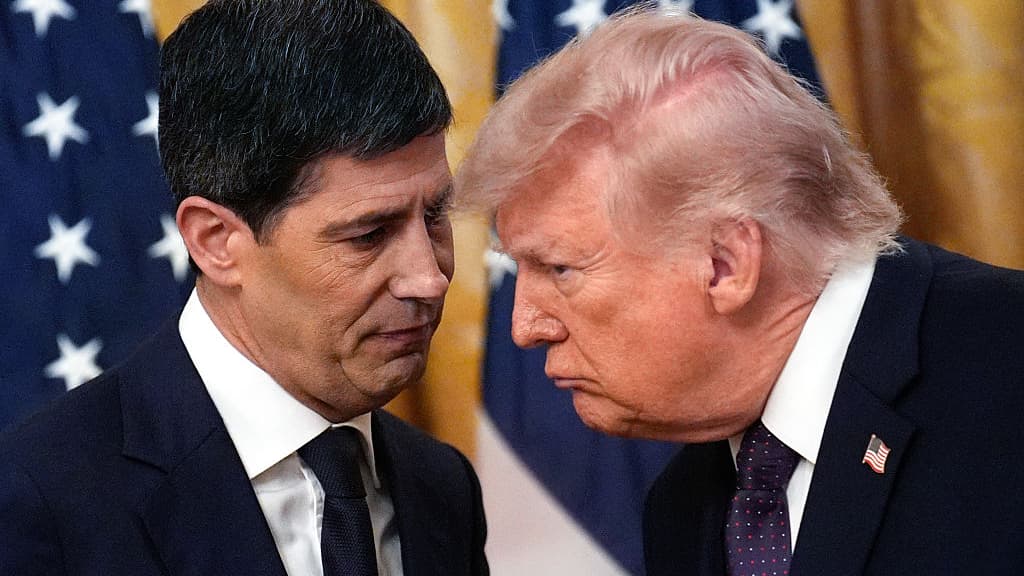
Fed Raises Rates 0.25 Points to Fight Inflation Despite Trump Pushback
The Federal Reserve hiked its benchmark rate by 0.25 points in a unanimous vote, its first since 2023, to combat inflation tied to energy shocks. President Trump publicly attacked the decision and called for cuts weeks before midterms.

Stocks Rise, Oil Drops Below $104 After Fed Hike
Stocks pointed higher after the rate hike while Treasury yields eased and oil retreated below $104. Generac shares surged on a data center deal.

Fed rate hike odds climb as inflation lingers from energy shocks
The Federal Reserve hiked its benchmark rate by 0.25 points in a unanimous vote, its first since 2023, to combat inflation tied to energy shocks. President Trump publicly attacked the decision and called for cuts weeks before midterms.

Oil Prices Top $108 as Saudi Pipeline Shuts After Drone Strikes
Brent crude topped $108 after attacks on Saudi pipelines bypassing Hormuz. US diesel hit records above $6/gallon, raising costs for consumers and industry.
The Compass
You just read five takes on one story.
What's your take? Find your political shape in a few minutes.
Take the test