
G7 Welcomes Iran Deal Outline but Presses for Lebanon Ceasefire
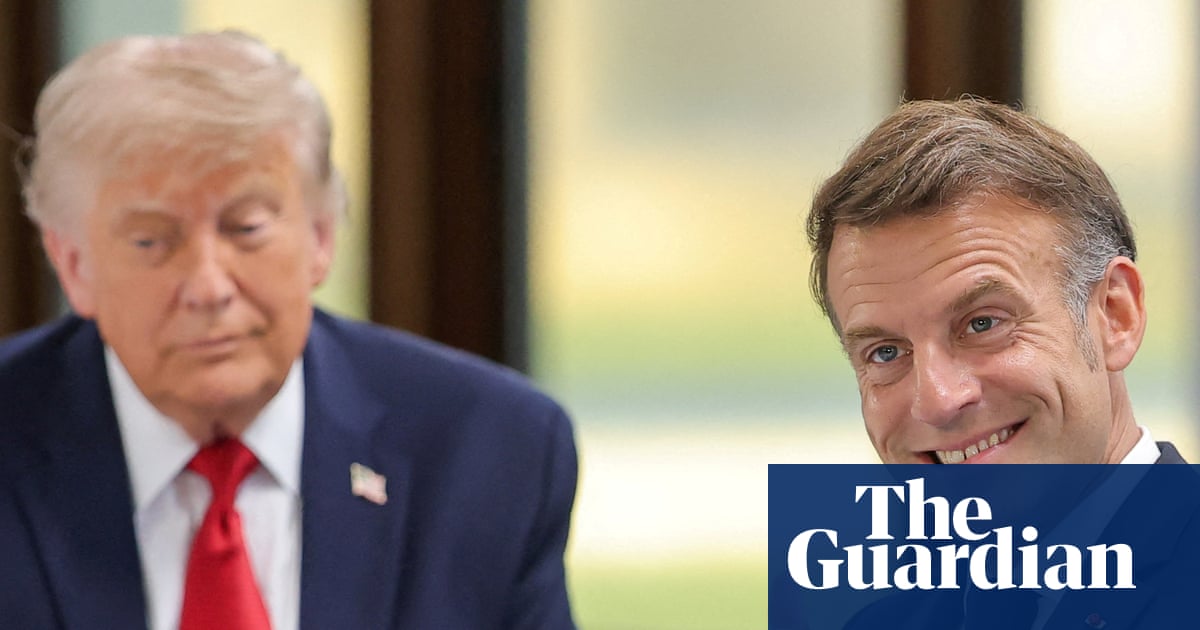
Cover image from theguardian.com, which was analyzed for this article
World leaders discuss Trump's Iran plan, US AI dominance, and global economic ripples from de-escalation, with mixed reactions and calls for further details on the deal.
PoliticalOS
Wednesday, June 17, 2026 — Politics
The G7 has endorsed an interim Iran ceasefire framework while insisting on Lebanese de-escalation, yet core issues including Israeli withdrawal, Iran's nuclear stockpile, and final terms remain unresolved and unpublicized. Parallel AI talks signal private-sector influence without settled regulatory outcomes.
What outlets missed
The G7 statement explicitly welcomed the interim deal and outlined allied readiness to assist implementation, details omitted or downplayed by outlets that led with uncertainty. Concrete references to a signed memorandum extending the ceasefire by 60 days and a Gulf-funded reconstruction package appeared in Reuters reporting but received little attention elsewhere. Parallel AI discussions at the summit were presented without verification of claimed export-control actions or model releases that do not appear in contemporaneous records.
World leaders at the G7 summit in Evian-les-Bains confronted the practical limits of a tentative U.S.-Iran agreement that has yet to produce a public text or resolve linked conflicts. The deal extends an April ceasefire by 60 days and envisions reopening the Strait of Hormuz, yet leaves Israeli forces in southern Lebanon and leaves Iran's nuclear stockpile and missile program for later talks.
G7 members issued a joint statement welcoming the interim accord while demanding an immediate robust ceasefire in Lebanon and the disarmament of Hezbollah. They also pledged to help secure shipping lanes once the strait reopens and to accelerate diversification of energy routes. A British-French coalition is preparing naval measures, and a $300 billion reconstruction fund financed by Gulf states is referenced in the memorandum of understanding signed this week.
President Trump told reporters the agreement would advance on schedule and that Iran seeks normalized economic ties. He separately urged Israeli Prime Minister Benjamin Netanyahu to show greater restraint in Lebanon. Israeli officials, excluded from the bilateral talks, have said they will not withdraw forces and retain the right to act against Hezbollah. Iranian diplomats have conditioned a permanent truce on an Israeli withdrawal.
The same summit brought AI company executives including OpenAI's Sam Altman and Anthropic's Dario Amodei to a working lunch focused on frontier risks, infrastructure, and online child safety. Discussions of export controls and specific unreleased models remain unverified in official records.
Oil prices fell below $80 a barrel on prospects of resumed Hormuz traffic. Casualty figures from the preceding conflict exceed 7,000, concentrated in Iran and Lebanon. Separate conversations on Ukraine produced no new commitments.
More in Politics
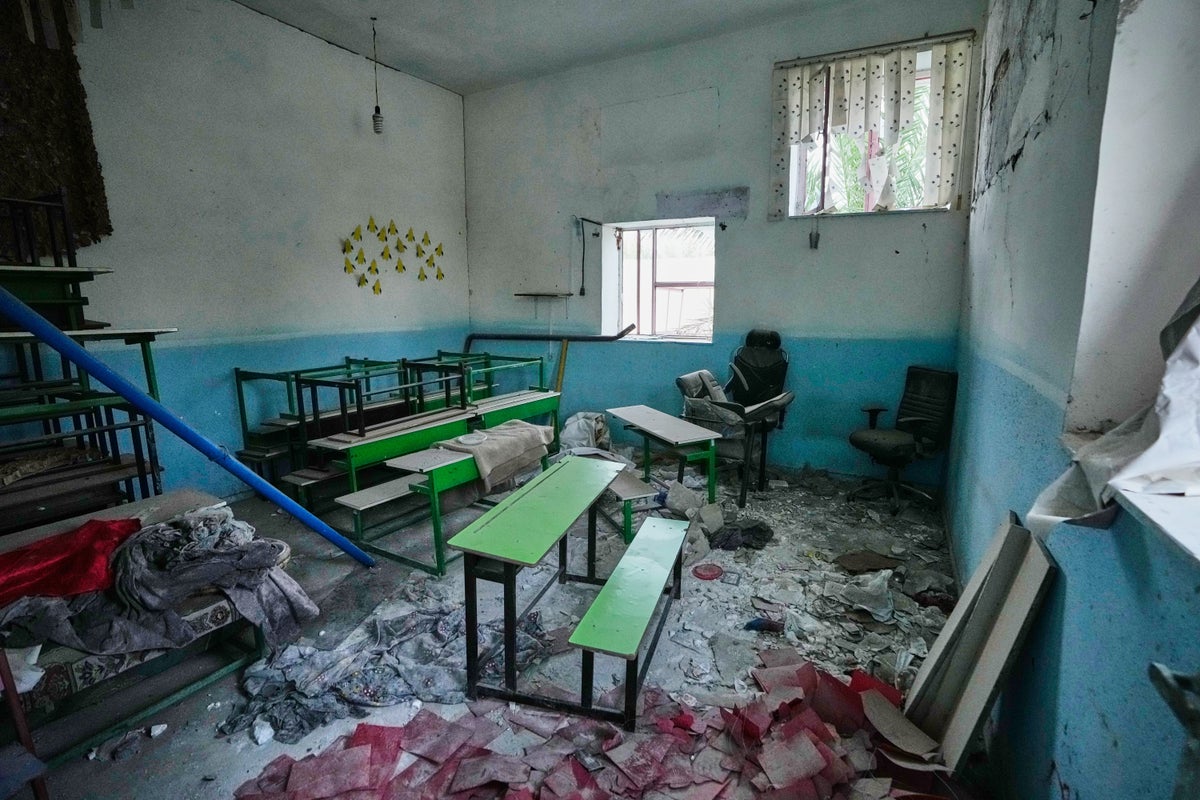
UN Panel Cites Grounds for US War Crimes in Iran Strikes
The Iran conflict enters a new phase focused on reconstruction after US strikes destroyed nuclear sites. UN experts cite possible US war crimes killing civilians while oil prices stay elevated.

Trump Warns of Tariffs as EU Offers Canada Associate Status
The EU invited Canada as its first associate member on defense and energy. Trump called it a hostile act and threatened new tariffs on Europe in response.

Southern Redistricting Tests Black Voter Turnout in Midterms
GOP spending heavily to protect Trump-won districts amid concerns in Georgia. Democrats see voting rights rulings boosting Black turnout in Southern races.
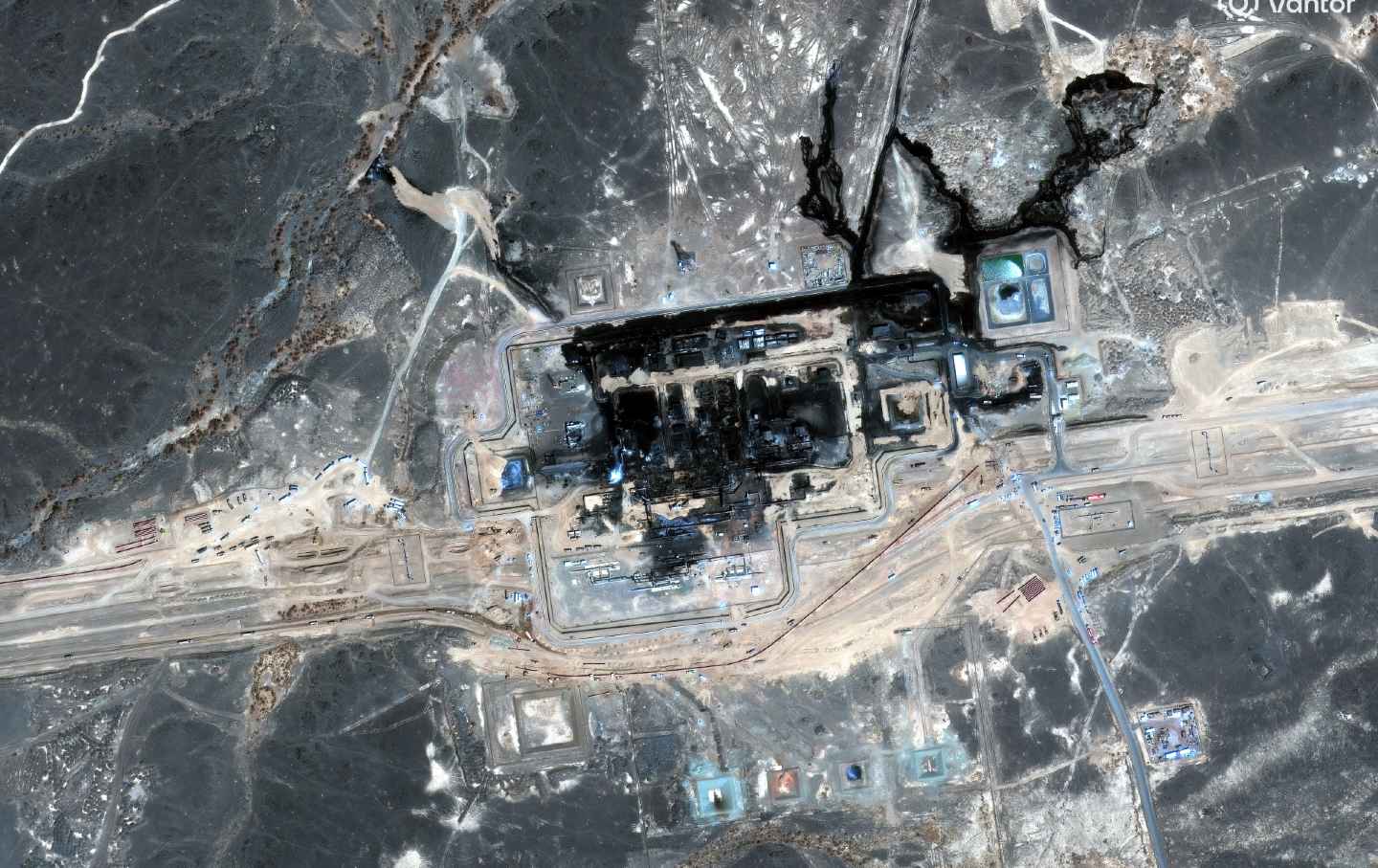
Minnesota Judge Warns ICE Order Violations Threaten Rule of Law
A federal judge warned ICE operations in Minnesota threaten the rule of law. The administration has frozen billions in grants with pediatricians raising health care access alarms.
The Compass
You just read five takes on one story.
What's your take? Find your political shape in a few minutes.
Take the test