
Senate Panel Clears Stopgap Bill to Delay Shutdown Risk

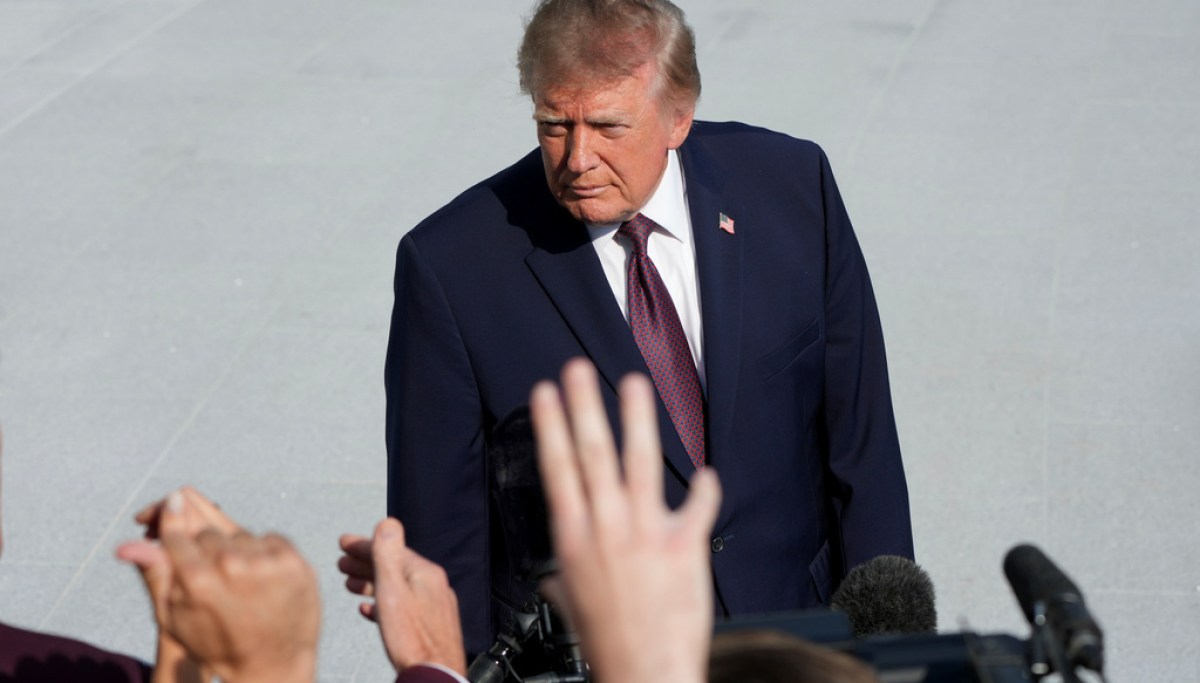
Cover image from rawstory.com, which was analyzed for this article
Senate appropriators advanced a stopgap bill as the shutdown clock ticks and Trump remains deadlocked with GOP senators over spending priorities. Recess looms with key issues unresolved.
PoliticalOS
Monday, August 3, 2026 — Politics
A bipartisan continuing resolution has cleared the Senate Appropriations Committee and faces a procedural vote, extending funding through mid-December while larger disputes over defense levels and policy riders remain unresolved. Readers should track whether the House accepts the Senate text and whether additional Republican support materializes for reconciliation measures.
What outlets missed
Neither outlet supplied the exact statutory language from the continuing resolution on grant authorities or Border Patrol funding changes. The House version of the stopgap measure passed last month, yet details on how its text differs from the Senate draft remain unaddressed. No primary data was presented to confirm or refute claims about the number of shutdowns during Trump's terms.
Lawmakers face a September 30 funding deadline that could halt federal operations if no agreement is reached. Senate appropriators advanced a continuing resolution to extend spending authority through December 11, buying roughly ten weeks for further talks on the twelve annual appropriations bills.
The measure emerged from the Senate Appropriations Committee with support from both parties. Committee vice chair Patty Murray, D-Wash., described it as an improved vehicle that prevents certain policy changes on grants and Border Patrol funding. Chair Susan Collins, R-Maine, called the text straightforward and noted adjustments for programs including the Special Supplemental Nutrition Program for Women, Infants and Children.
A procedural vote is set for Monday evening in the full Senate. Passage would send the identical text back to the House, which approved its own version last month, before the bill reaches President Donald Trump. The administration has sought a 44 percent rise in defense spending and a 10 percent cut in non-defense base spending, positions that have drawn Democratic resistance.
Senate Majority Leader John Thune has stated that a broader package tied to election provisions lacks the near-unanimous Republican backing needed for reconciliation. Several Republican senators have voiced objections to elements of the spending framework, while the committee continues work on Russia sanctions and other pending items before recess.
More in Politics

Federal Agents Search Omar Home in Ongoing Immigration Probe
Homeland Security agents searched the Minnesota Democrat's DC residence in a criminal probe, prompting accusations of political intimidation from Omar and Democratic leaders. Coverage spans left-leaning outlets like NPR, BBC, and The Guardian alongside right-leaning criticism from The Federalist and Daily Wire.

Trump Diesel Import Plan Draws Pushback Over Russia Ties
The weekend agreement drew bipartisan congressional pushback and criticism from Ukraine's Zelenskyy, with analysts downplaying US fuel price impacts. Right-leaning outlets like National Review, Dispatch, and Washington Examiner questioned its legality and effectiveness.

Independents Test Voter Appetite for Middle Ground in 2026 Midterms
Nearly 200 independents are running in competitive races as voters weigh ballot measures on housing costs in states like Massachusetts. Left-leaning coverage from NYT, NPR, and Guardian highlights turnout and key races while right outlets focus on GOP strategy.
Trump Rallies in Alaska, Ohio to Bolster GOP Senate Candidates
The president rallied in Wasilla for Sen. Dan Sullivan and faced empty seats at an Ohio event amid midterm concerns. Outlets across the spectrum covered the trips as signals of GOP vulnerability weeks before Election Day.
The Compass
You just read five takes on one story.
What's your take? Find your political shape in a few minutes.
Take the test