
Independents Test Voter Appetite for Middle Ground in 2026 Midterms

Cover image from theguardian.com, which was analyzed for this article
Nearly 200 independents are running in competitive races as voters weigh ballot measures on housing costs in states like Massachusetts. Left-leaning coverage from NYT, NPR, and Guardian highlights turnout and key races while right outlets focus on GOP strategy.
PoliticalOS
Tuesday, October 13, 2026 — Politics
Nearly 200 independent candidates are testing whether voter dissatisfaction with both parties and rising housing costs can translate into meaningful support, yet structural barriers and the absence of verified polling leave their actual impact on November outcomes undetermined.
What outlets missed
No outlet supplied independent polling margins for the specific independent-versus-major-party matchups, leaving claims of competitiveness unverified. Litigation costs and reinsurance rate increases, documented in industry filings, received no mention as contributors to premium growth alongside weather events. The total number of independent candidates—nearly 200—was stated in the topic summary but not corroborated with candidate lists or filing data from any of the four articles.
Voters confronting sharply higher home insurance premiums and other living costs now confront a separate choice: whether nearly 200 independent congressional candidates can convert widespread frustration with both parties into actual seats. Premiums have risen 46 percent since 2021, nearly triple the rate of general inflation, according to data cited across multiple states. In Kansas, annual premiums for a $300,000 home with a $1,000 deductible average $5,289, 84 percent above the national figure, pushing some homeowners to drop coverage entirely.
Independent candidates argue that record numbers of self-identified independents—45 percent of adults—create an opening for candidates who reject both party extremes. Seth Haskin in Florida’s Republican-leaning district campaigns in 18th-century attire while calling himself a strict constitutionalist who sees both parties captured by industry money. Sarah Zabel, a retired Air Force major general running in Idaho’s solidly Republican district, describes herself as a heritage Republican who left the party after 2018 and now positions herself as a centrist alternative. In Alaska’s at-large House race, commercial fisherman Bill Hill competes against the Republican incumbent and a Democratic nominee under the state’s ranked-choice system.
The Cook Political Report rates most of these districts as safe for one party, yet independents say even double-digit vote shares could pressure the two-party system. In swing districts such as Iowa’s First, businessman Michael Bridgford contends that voters tired of dysfunction will reward candidates who promise to solve problems without party leadership constraints. Meanwhile, affordability ballot measures and insurance-commissioner races in Kansas, Florida, and North Carolina have elevated housing costs as a voting issue, with polls showing 58 percent of Americans more likely to vote because of rising premiums.
One independent candidate in Colorado entered the race after a Democratic primary upset produced a nominee he viewed as too far left. Another in Alaska’s Senate contest benefits from the state’s history of splitting tickets despite its Republican presidential voting record since 1968. No independent currently serves in the House except Kevin Kiley of California, who switched from Republican and continues to caucus with that party. Fundraising gaps and limited debate access remain the chief structural barriers cited by the candidates themselves.
More in Politics

Federal Agents Search Omar Home in Ongoing Immigration Probe
Homeland Security agents searched the Minnesota Democrat's DC residence in a criminal probe, prompting accusations of political intimidation from Omar and Democratic leaders. Coverage spans left-leaning outlets like NPR, BBC, and The Guardian alongside right-leaning criticism from The Federalist and Daily Wire.

Trump Diesel Import Plan Draws Pushback Over Russia Ties
The weekend agreement drew bipartisan congressional pushback and criticism from Ukraine's Zelenskyy, with analysts downplaying US fuel price impacts. Right-leaning outlets like National Review, Dispatch, and Washington Examiner questioned its legality and effectiveness.
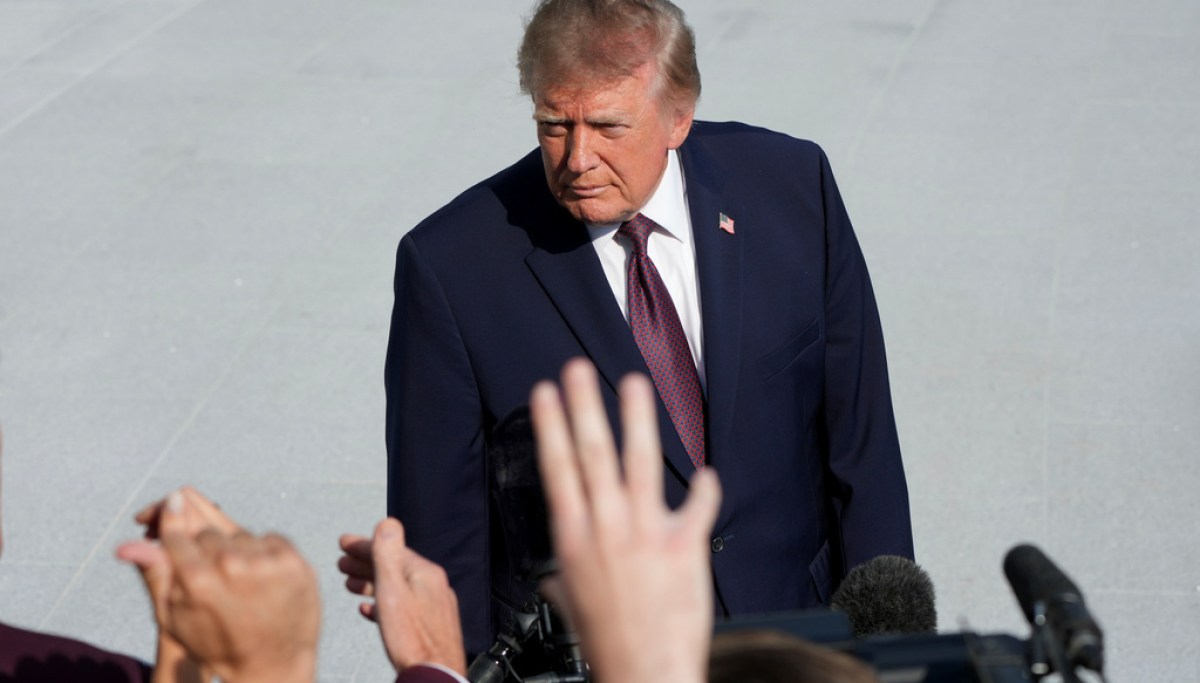
Trump Rallies in Alaska, Ohio to Bolster GOP Senate Candidates
The president rallied in Wasilla for Sen. Dan Sullivan and faced empty seats at an Ohio event amid midterm concerns. Outlets across the spectrum covered the trips as signals of GOP vulnerability weeks before Election Day.
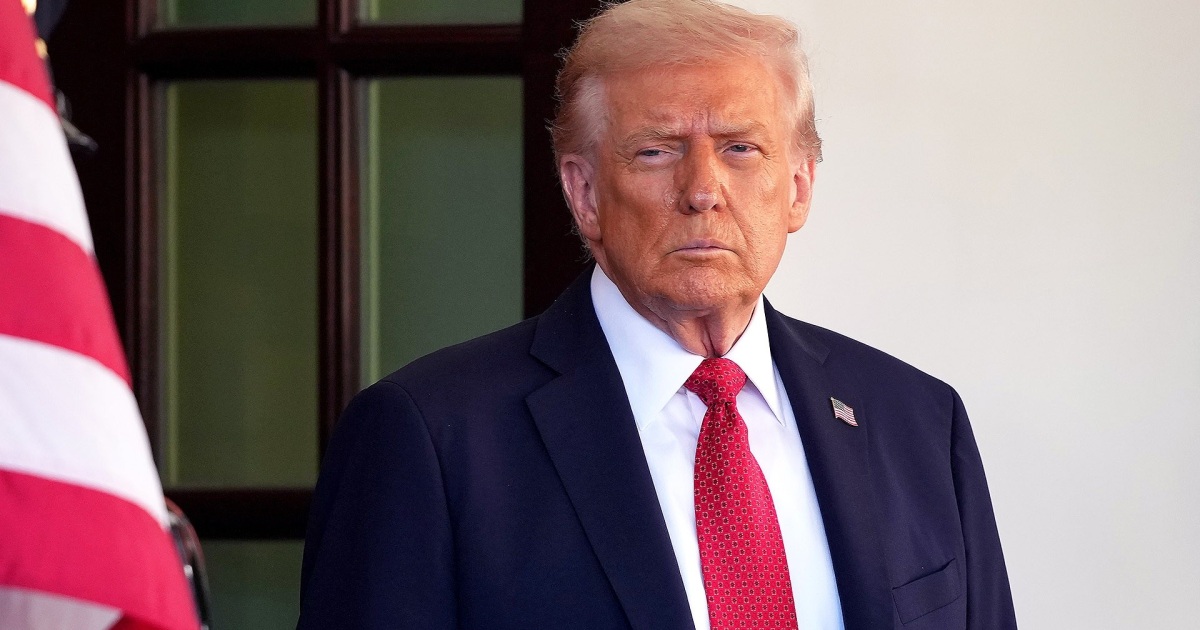
Judge Halts Remaining Trump Taxpayer-Funded TV Ads
A federal judge ordered the Trump administration to immediately stop airing millions in taxpayer-funded TV ads promoting the president's agenda. The ruling follows legal challenges accusing the White House of blurring official and political activities.
The Compass
You just read five takes on one story.
What's your take? Find your political shape in a few minutes.
Take the test